How Does A Single Serve Coffee Maker Work: Practical Guide
Disclosure: We may earn a commission when you buy through links on this page, at no extra cost to you. As an Amazon Associate I earn from qualifying purchases. Learn more
How does a single serve coffee maker work? A plain explanation of reservoirs, pods, grounds baskets, cup sizes and care.
If you have ever wondered how does a single serve coffee maker work, the short version is simple: it heats a measured amount of water and pushes or drips it through one portion of coffee, either sealed in a pod or loose in a small basket, straight into your mug. The details change from machine to machine, and those details explain why pod brewers, grounds brewers and capsule espresso machines taste and cost so differently.
This guide explains the process step by step, the terms you will see on product listings, real household examples and the common misunderstandings, so you can maintain the machine you have or choose the right format next time.
How Does A Single Serve Coffee Maker Work: The Direct Answer
A single serve coffee maker stores water in a reservoir, heats a portion of it, and sends that hot water through a single dose of coffee. In pod machines, a needle pierces the pod's lid and another pierces the bottom, so water flows in at the top and coffee flows out below. In grounds machines, water showers over coffee in a small filter basket and drips into the cup, like a miniature drip brewer.
The cup size you choose controls how much water passes through the coffee. Smaller sizes mean the same amount of coffee meets less water, which is why many makers say the smallest size gives the strongest cup. Capsule espresso machines use the same single-dose idea but push water through at higher pressure, which is a different brewing method.
Key Terms and Scope
What the Term Includes
"Single serve coffee maker" covers any machine designed to brew one cup at a time. That includes K-Cup pod brewers, multi-format machines that take pods or your own grounds, personal drip brewers that brew into a travel mug, and capsule systems such as Nespresso. Some combination machines add a single serve side to a full carafe brewer. Manual one-cup brewers, like a pour-over cone or an AeroPress, are single serve methods too, though they are not machines.
What It Does Not Mean
Single serve does not mean small or weak. Many machines brew 12 oz or more, and some offer strength settings. It also does not mean pods only: many single serve machines brew ground coffee with a basket or reusable filter.
Finally, it does not mean espresso. A standard pod brewer makes drip-style coffee, and only machines built for espresso pressure, such as capsule espresso machines, produce espresso-style shots.
How It Works in Practice
Coffee or Water Input
Everything starts with two inputs: water and a single dose of coffee. Water goes into a reservoir, which might hold enough for one cup or for several. Larger reservoirs, often 40 oz or more, let you brew multiple cups before refilling, while compact machines may need fresh water every time.
The coffee goes into a pod holder or a small basket. A pod is a sealed, pre-measured portion of ground coffee with a filter inside. A basket or reusable filter holds loose grounds that you measure yourself. Some machines include both a pod holder and a grounds basket, so you can switch formats from cup to cup.
Brewing or Preparation Process
When you press brew, a heating element warms the water, and a small pump moves it toward the coffee. In pod brewers, the lid closes on the pod, needles pierce it, and hot water passes through the grounds inside before exiting into the cup. Some machines use multiple streams of water to saturate the coffee more evenly.
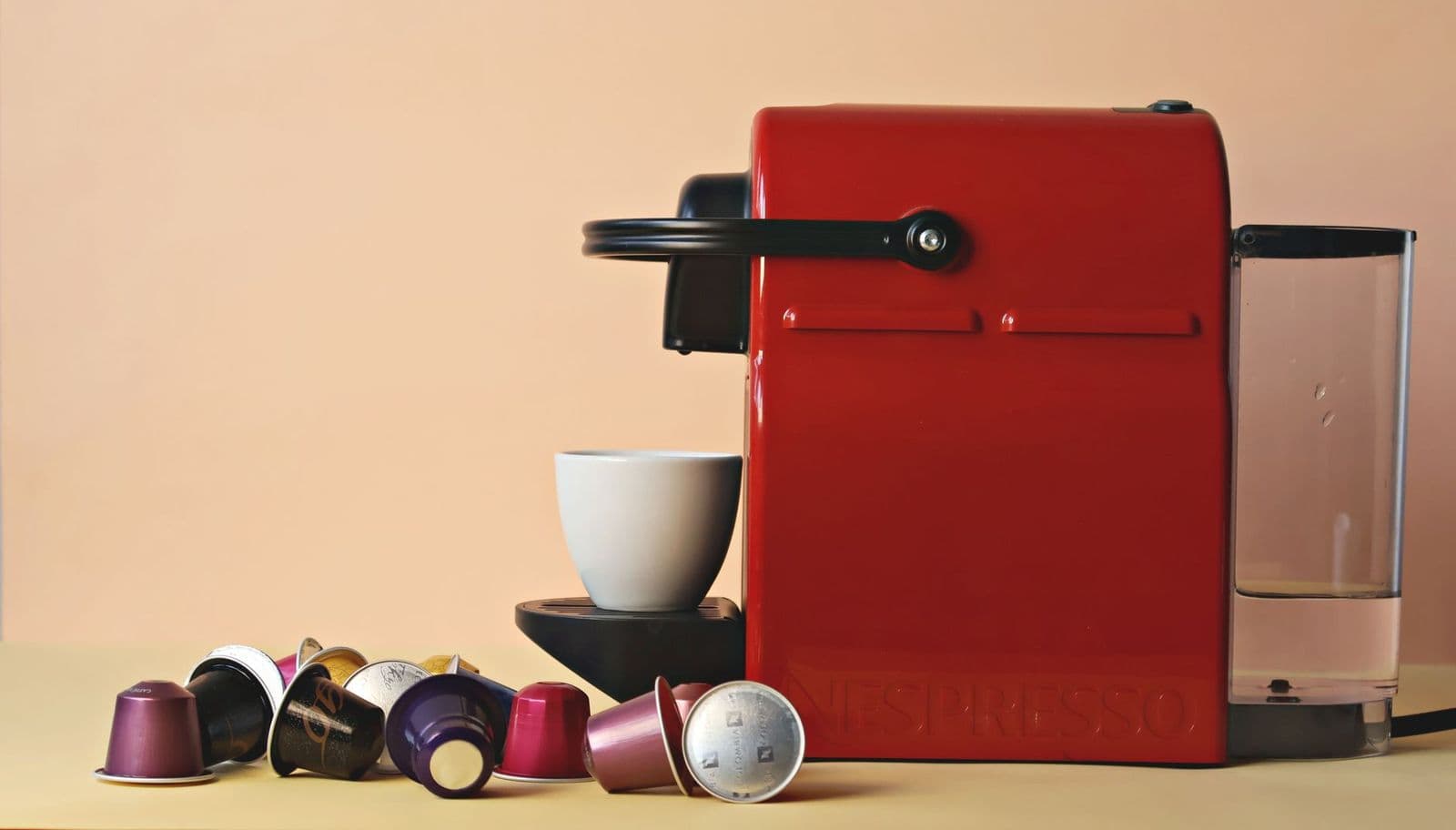
In grounds brewers, water flows through a showerhead over the coffee in a basket, much like a drip machine but sized for one cup. Capsule espresso machines push water through finely ground coffee at high pressure, which creates the concentrated shot and foam layer people associate with espresso. Brew time is usually a minute or a few minutes.
Temperature control is part of the design too. The machine aims to heat water into a range suitable for brewing, then shuts the heater off or holds it ready between cups. Some machines keep a small tank hot so back-to-back cups come quickly, while others heat only what each brew needs, which saves energy but can mean a short wait.
Output and Controls
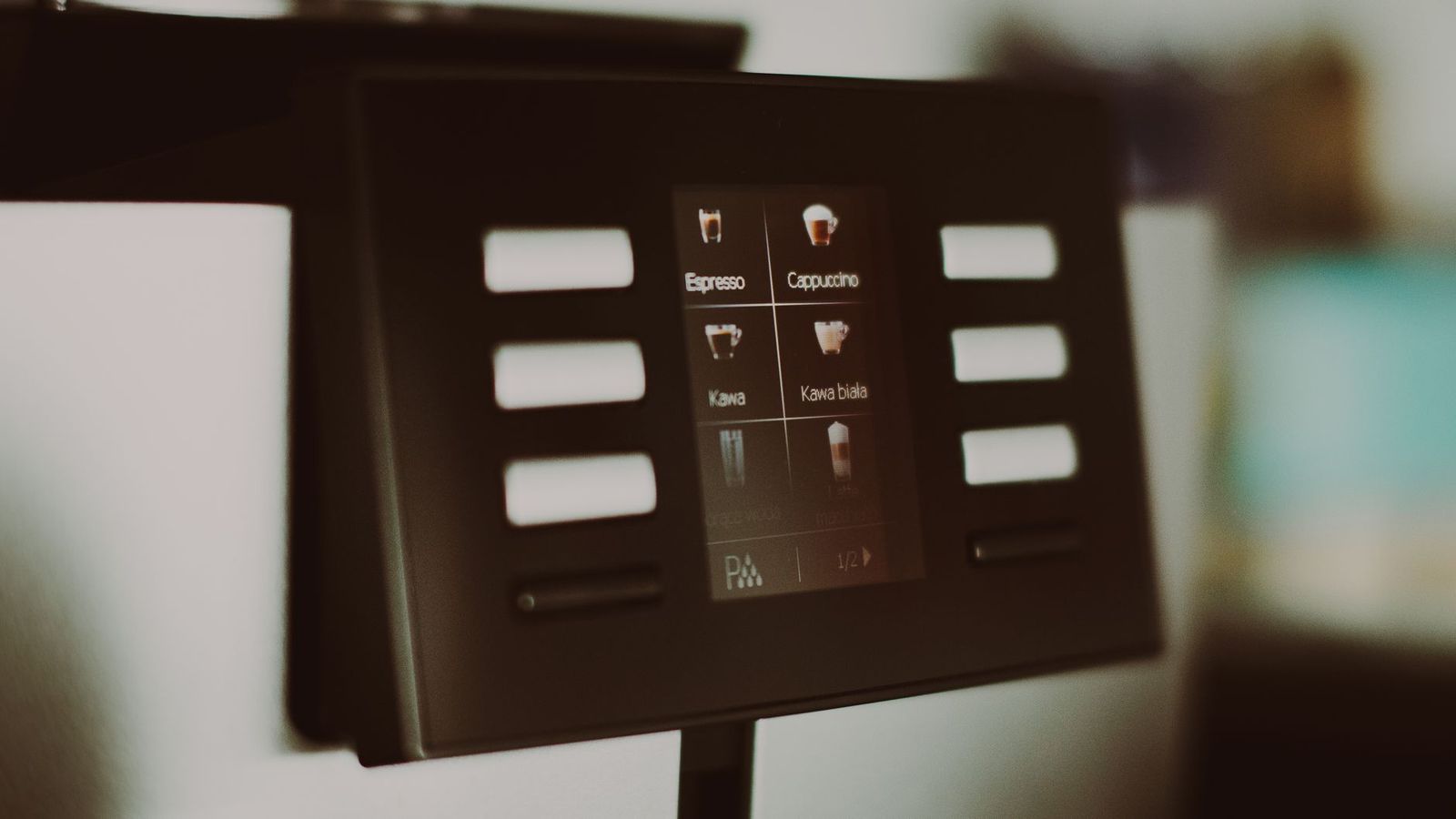
The output is one serving, controlled by the cup size you select. Common pod brewer sizes run from about 6 to 12 oz, and some machines go higher or offer travel mug settings. Many models add a strength button, which slows the brew or changes how water passes through for a bolder cup, and some add an iced setting that adjusts temperature for brewing over ice.
Higher-end machines may include a milk frother, programmable temperatures or app control. A removable drip tray lets you fit a taller mug or travel cup under the spout, which is worth checking if you drink on the go.
Cleanup and Ownership
After brewing, you discard the used pod or empty the grounds from the basket, then rinse the basket or reusable filter. The drip tray catches spills and needs emptying from time to time. The reservoir should be washed regularly and refilled with fresh water.
Over time, minerals from water build up inside the heating system, so single serve machines need periodic descaling with a product the manufacturer recommends. Some machines use water filter cartridges to reduce scale, and some remind you when descaling is due. Following the manual keeps the machine brewing at its intended temperature and flow.
Pod machines also have needles that can clog with coffee grounds over time, which slows the brew or leaves cups short. Many manuals describe a safe way to clear them, and some brands sell cleaning pods. Never poke inside a machine while it is plugged in, and stop using it if you see leaks near electrical parts.
Practical Examples
A Simple Household Scenario
Picture a two-person home where one person wants a mug before work and the other prefers tea in the afternoon. A pod brewer with a 40 oz or larger reservoir handles both: the first person inserts a coffee pod and picks a 10 oz size, while the second later uses a tea pod or the hot water from a small cup setting. Nobody brews a pot that goes stale, and cleanup is tossing a pod and emptying the tray now and then. The cost per cup is higher than drip, but the convenience suits the routine.
A Different Routine or Format
Now picture a commuter who buys a bag of coffee from a local roaster each week. A multi-format single serve machine that brews grounds into a 14 oz travel mug fits better. They scoop coffee into the basket, press brew, and leave with a full mug, then rinse the basket that evening.
The same machine accepts pods for days when there is no time to measure. Compared with a pod-only routine, this costs less per cup and gives more control over the coffee itself.
Limits and Common Misunderstandings
A common misunderstanding is that all single serve machines are the same. Pod brewers, grounds brewers and capsule espresso machines work differently, and their pods are not interchangeable across systems. A K-Cup will not fit a Nespresso machine, and Vertuo capsules will not fit an Original line Nespresso.
Another is that a larger cup size gives more coffee flavor. With a pod, the coffee amount is fixed, so a bigger size means more water through the same grounds and usually a milder cup. If you want a large, strong mug, look for a strength setting, a bolder pod, or a grounds basket that holds more coffee.
People also assume single serve is always more expensive. Pods usually cost more per cup than ground coffee, but a machine that brews your own grounds, or a reusable pod filter, narrows that gap considerably. Finally, single serve machines still need cleaning and descaling, even if daily cleanup is quick.
Some people expect a single serve machine to make coffee for a crowd. It can, one cup at a time, but serving six people takes several cycles and several pods. If you regularly host, a carafe brewer or a combination machine with both a pot and a single serve side may suit you better.
What This Means for Your Next Decision
Keep, Maintain, or Choose a Format
If you already own a single serve machine, the best upgrade is often maintenance: descale on schedule, replace water filters if used, and try a reusable filter with ground coffee to cut costs. If you are choosing a new machine, decide on the format first: pods for maximum convenience, grounds for lower cost and more control, or capsules for espresso-style drinks. Then match the cup sizes and reservoir to your routine.
Think about where the coffee comes from week to week. If you already buy pods, a pod brewer slots in easily. If you prefer bags of beans or ground coffee, a machine with a grounds basket, or a reusable filter for a pod brewer, avoids paying for convenience you do not need. Counter space, the height under your cabinets and the size of your favorite mug are the final checks.
Where to Learn More
To compare categories more broadly, our guide to coffee machine vs coffee maker explains how drip brewers, pod machines and espresso machines differ. For specific recommendations across formats, see our list of the best coffee makers. Your machine's manual remains the best source for model-specific controls and care.
Frequently Asked Questions
Does this apply to every model?
The basic idea applies to every single serve machine: heat water and pass it through one dose of coffee. The details differ by model, including pressure, cup sizes, pod type and whether grounds are supported. Check your manual for your machine's specific features and limits.
Which related term is commonly confused with it?
"Single serve" is often confused with "espresso machine." Most single serve pod brewers make drip-style coffee, not espresso. Capsule espresso machines are single serve too, but they use high pressure to make espresso-style shots, which is a different brewing method.
What changes with my coffee or water setup?
Your coffee choice changes strength and flavor, since pod roast, grind size and dose all matter. Hard water speeds up scale buildup, so you may need to descale more often or use a water filter if your machine supports one. Fresh, filtered water often improves taste.
When do I need model-specific instructions?
You need model-specific instructions for descaling, cleaning programs, settings and troubleshooting. Steps, products and button sequences vary between brands and even between models, so follow your manual rather than a generic routine, especially for anything involving cleaning solutions or error messages.
Key Takeaway
So, how does a single serve coffee maker work? It heats water from a reservoir and passes a measured amount through one portion of coffee, from a pod, a basket of grounds or a capsule, into your cup. Cup size, strength settings and coffee format shape the result, and regular descaling keeps it working well. Choose the format that matches your routine, and keep your manual close for care.