How Does A Drip Coffee Maker Work: Practical Guide
Disclosure: We may earn a commission when you buy through links on this page, at no extra cost to you. As an Amazon Associate I earn from qualifying purchases. Learn more
How does a drip coffee maker work? A plain guide to each stage, from reservoir and heater to spray head, filter and carafe, plus common myths.
How does a drip coffee maker work? In short, it heats water from a reservoir, carries it up a tube to a showerhead above the coffee, lets it drip through ground coffee in a filter and collects the brewed coffee in a carafe below. Everything else on a modern machine, from timers to strength buttons and thermal carafes, changes how and when that basic cycle happens rather than the cycle itself.
This guide explains each stage in plain terms, shows how common features fit in, and clears up what a drip brewer can and cannot do compared with pod machines and espresso machines. It is aimed at anyone who wants to understand the machine on their counter or choose the next one with more confidence.
How Does a Drip Coffee Maker Work: The Direct Answer
A drip coffee maker turns cold water into brewed coffee in four steps. Water sits in a reservoir, flows into a heating section, rises as it heats through a tube to a spray head, and then falls evenly over ground coffee held in a filter basket. Gravity pulls the brewed coffee through the filter into the carafe, where a warming plate or an insulated thermal carafe keeps it hot.
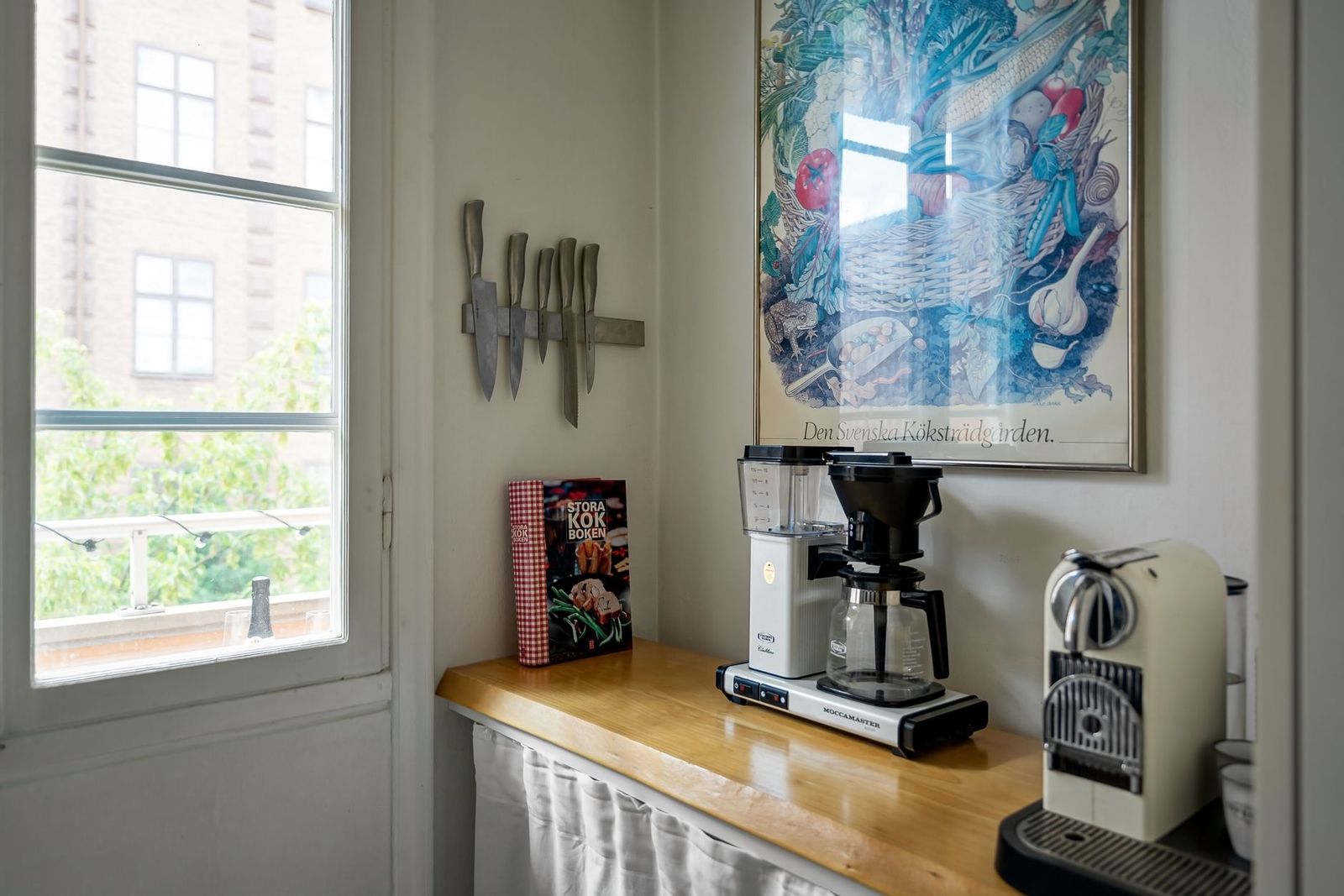
Most home models do this without a separate pump. Heating the water creates pressure and bubbles that push hot water up the tube, while a one-way valve stops it flowing back into the reservoir. Some brands highlight this design; Moccamaster, for example, describes its brewers as pump-free machines that heat water to the right temperature for coffee extraction.
Key Terms and Scope
What the Term Includes
A drip coffee maker, also called a filter coffee maker or automatic drip brewer, is an electric machine that brews coffee by dripping hot water through ground coffee and a filter. The term covers glass carafe brewers such as the Cuisinart DCC-3200, thermal carafe brewers, fast-brew machines with a hot water tank such as BUNN's Speed Brew models, and grind-and-brew machines that add a grinder in front of the same process.
Two-way brewers that combine a carafe side with a single-serve side, such as Hamilton Beach's 2-Way models, still use drip brewing on the carafe side. Capacity is usually stated in cups of about 5 oz, so a 12-cup carafe holds roughly 60 oz.
What It Does Not Mean
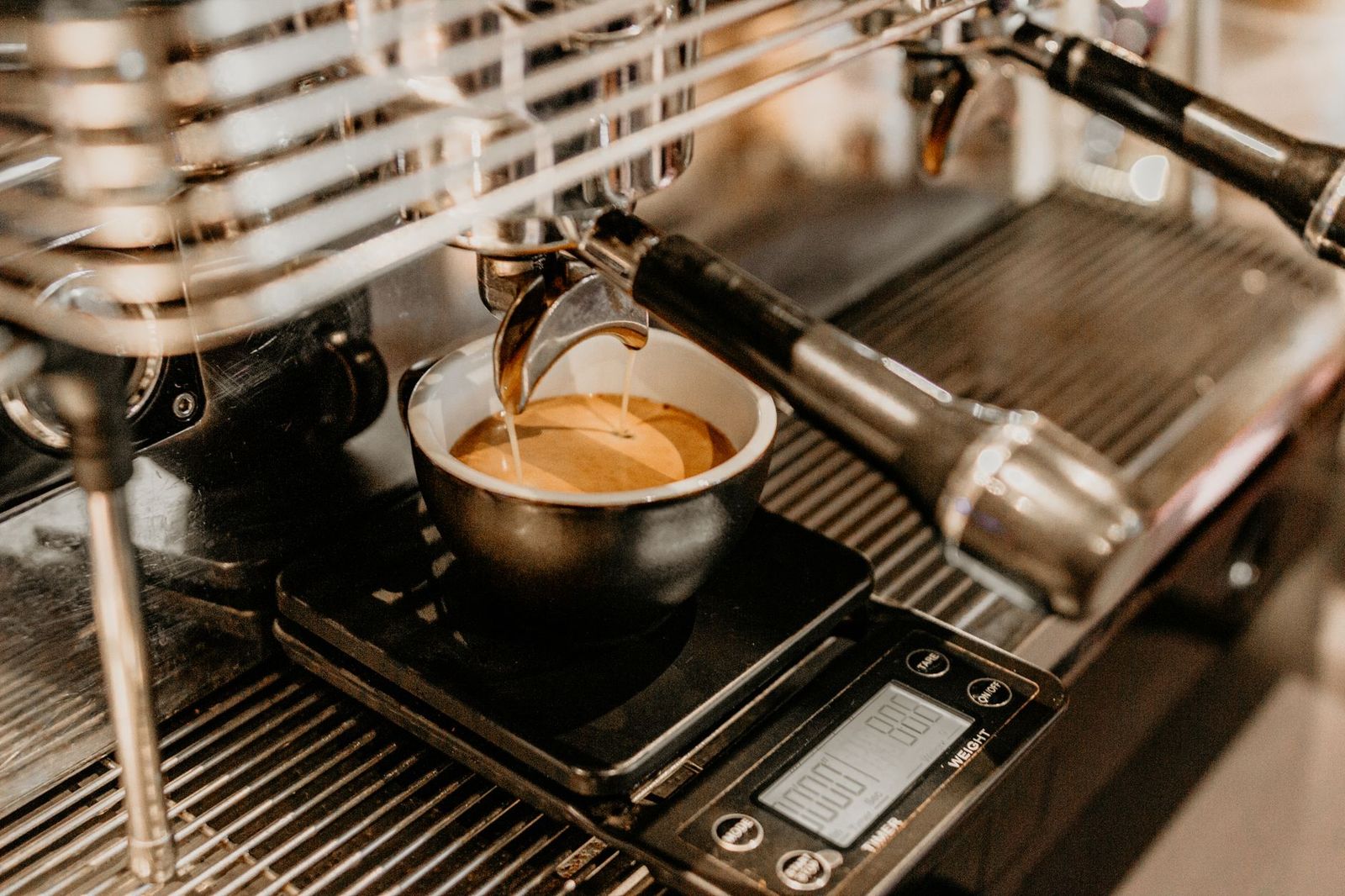
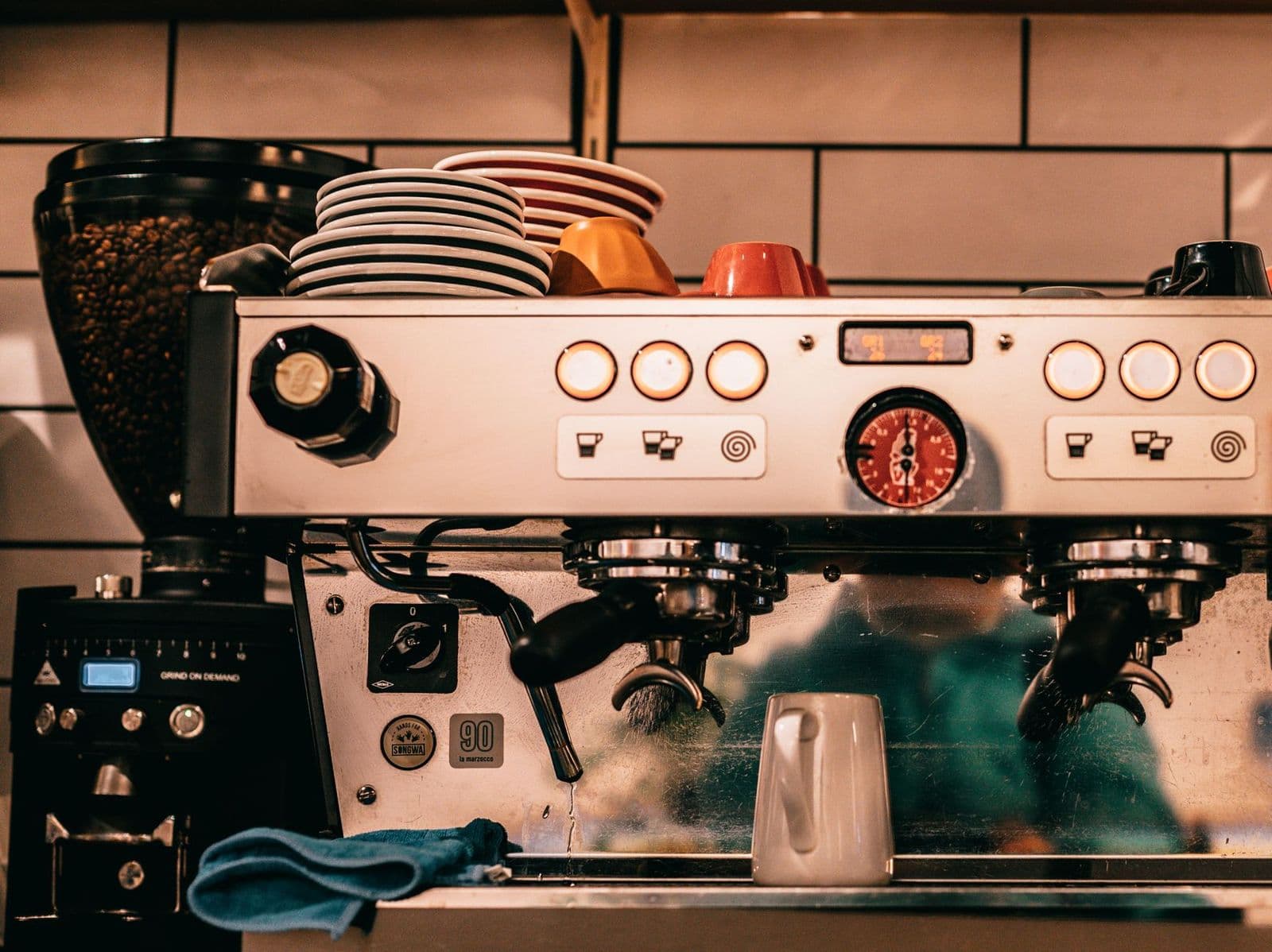
A drip coffee maker does not make espresso. Espresso machines force hot water through finely ground, compacted coffee under pressure, producing a small, concentrated shot. Drip brewing relies on gravity and produces a larger, lighter cup. Our explainer on coffee machine vs coffee maker covers that distinction in more detail.
It is also different from a pod machine. Single-serve pod brewers pump water through a sealed capsule for one cup at a time, while a drip brewer uses loose ground coffee and usually makes several cups in one batch. Manual pour-over shares the drip principle, but you pour the water by hand instead of using a heating element and spray head.
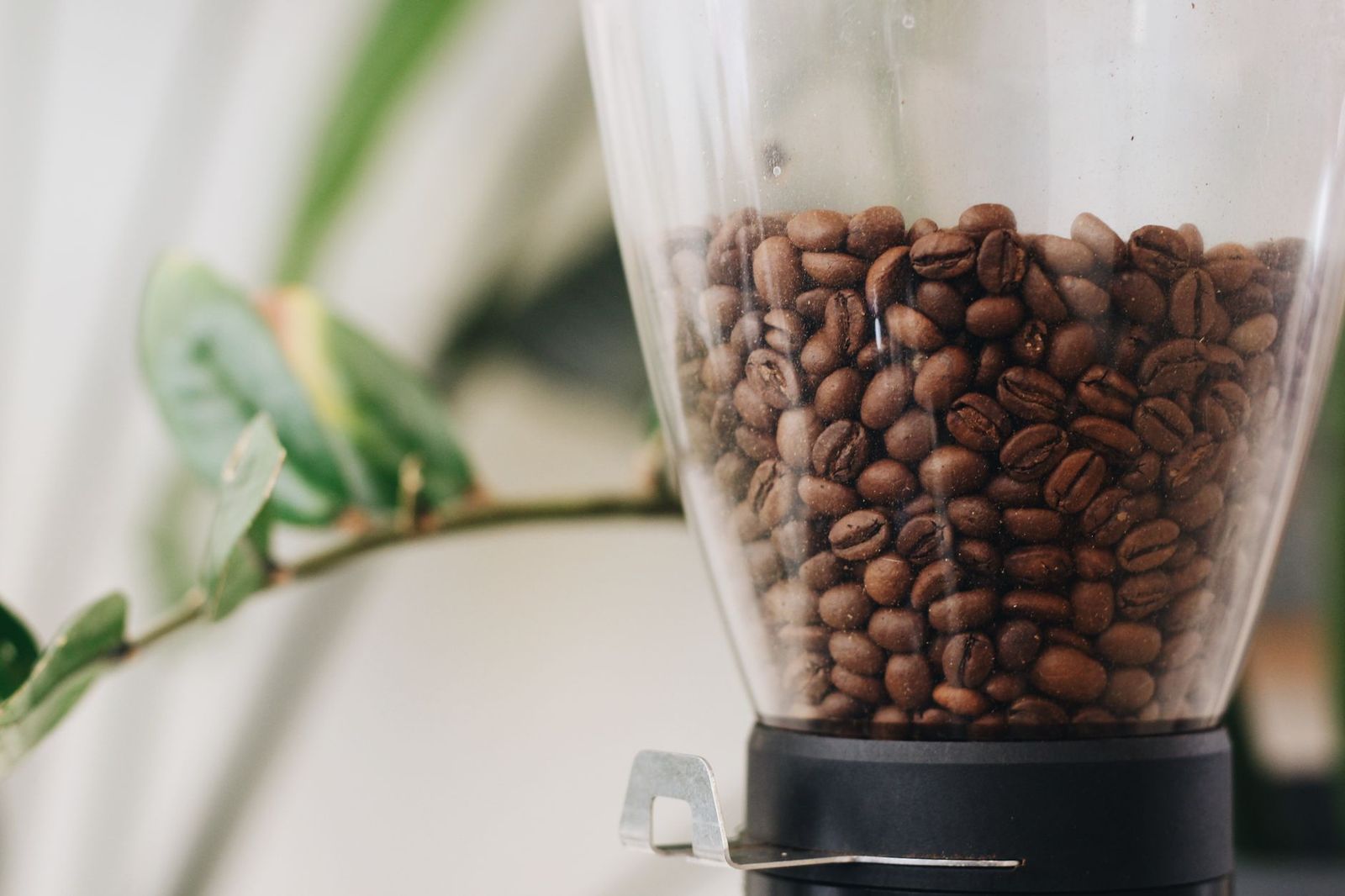
Grind-and-brew machines sit in between. They add a built-in grinder that drops fresh grounds into the filter basket just before the drip cycle starts, but the brewing itself is the same gravity process as a standard drip maker.
How It Works in Practice
Coffee or Water Input
You start by filling the reservoir with cold water to the level for the number of cups you want. A water window or markings on the tank help you measure. Some machines have a removable reservoir you carry to the sink, while others are filled from the top with the carafe.
Next, you place a paper filter or a permanent filter in the brew basket and add ground coffee. A medium grind suits most drip brewers. The amount of coffee relative to water is the biggest factor you control, so use the scoop and guidance in your manual as a starting point and adjust to taste.
Brewing or Preparation Process
When you switch the machine on, the heating element warms water drawn from the reservoir. As it heats, bubbles and pressure push the hot water up a tube to the shower head above the basket. The water spreads over the grounds, soaks them and extracts flavor as it passes through.
Brewed coffee then drips through the filter and out of the basket into the carafe. Many brewers have a drip-stop valve under the basket, which lets you remove the carafe mid-brew to pour a cup; brands call this Brew Pause, Auto Pause or Pause and Pour. Fast-brew models such as the BUNN Speed Brew keep water hot in an internal tank, so pouring fresh water in the top pushes already-hot water over the coffee and shortens the wait.
Output and Controls
Coffee collects in a glass carafe on a warming plate or in a thermal carafe that holds heat without a plate. Warming plates may have fixed or adjustable settings, such as the DCC-3200's low, medium and high options, and usually switch off automatically after a set time.
Controls vary by model. Programmable timers start brewing at a set time, strength or bold settings adjust the brew for a stronger cup, and small-batch settings such as a 1 to 4 cup mode adjust brewing for partial pots. Some machines add over-ice settings that brew a stronger batch for pouring over ice.
Cleanup and Ownership
After brewing, you discard the filter and grounds, rinse the basket and wash the carafe. Coffee oils build up over time, so removable parts need regular washing as the manual allows.
Minerals from water collect in the heating section and tubes, which is why drip brewers need descaling. Scale slows the flow and can change taste, so descale on the schedule your manual sets, using a method it approves. Some models add clean indicators or self-clean modes that remind you when it is time.
Practical Examples
A Simple Household Scenario
Consider a household where two adults each drink two mugs before work. The night before, one fills the reservoir and adds a filter and grounds, then sets the 24-hour timer. In the morning the machine heats the water, drips it through the coffee and fills the carafe before anyone is downstairs.
The first person pours a cup, the warming plate keeps the rest hot and the machine switches off later on its own. Cleanup is a filter in the trash and a rinse of the basket and carafe. This is the routine drip brewers are designed for: a full pot with very little daily effort.
A Different Routine or Format
Now consider someone who drinks one cup at home and another later. A full pot on a hot plate would taste flat by the second cup. A drip brewer with a small-batch setting or a thermal carafe solves this, as does a two-way brewer with a single-serve side.
A family hosting a holiday lunch faces the opposite problem. A fast-brew drip machine can make pot after pot quickly, and a coffee urn, which uses a percolation or drip process in a large tank, can serve a crowd from one fill.
Limits and Common Misunderstandings
A common belief is that a bigger cup number means more mugs. In reality, drip brewer cups are usually about 5 oz, so a 12-cup carafe fills about five 12 oz mugs. Check capacity in ounces when you compare machines.
Another misunderstanding is that a strength button makes espresso-like coffee. It makes a bolder drip cup, but drip brewing cannot create espresso's concentration and crema, which need pressure. Similarly, a warming plate keeps coffee hot but does not keep it fresh; flavor changes the longer coffee sits on heat.
Finally, descaling is not optional. Even with filtered water, minerals build up eventually. Ignoring scale leads to slow brewing, short pots and coffee that tastes flat, problems that are often blamed on the machine when maintenance is the real cause.
One more myth is that paper and permanent filters make no difference. Paper filters hold back more fine particles and oils, giving a cleaner cup, while permanent metal or nylon filters let more through, giving more body. Neither is wrong; use what your manual allows and what you prefer to drink.
What This Means for Your Next Decision
Keep, Maintain, or Choose a Format
If your drip brewer is slow or the coffee tastes off, start with cleaning and descaling before replacing it. Most issues come from residue and scale rather than broken parts. If it still struggles after correct maintenance, or it lacks features you now want, such as a timer or thermal carafe, an upgrade makes sense.
If you are choosing between formats, think about how you drink coffee. Drip brewers suit households that want several cups at once at a low cost per cup. Pod machines suit single cups with little cleanup. Espresso machines suit milk drinks and concentrated shots.
Where to Learn More
Our guide to the best coffee makers compares drip, single-serve and multi-format machines. For care, see our guides on how to descale a coffee maker and coffee maker maintenance, which turn the cleanup steps above into a simple routine.
Frequently Asked Questions
Does this apply to every model?
The basic cycle applies to nearly every automatic drip brewer: heat water, carry it to a spray head, drip it through grounds and collect coffee in a carafe. Details differ, such as pump-free designs, hot water tanks in fast-brew models, grinders in grind-and-brew machines and thermal versus glass carafes.
Which related term is commonly confused with it?
Drip coffee maker is often confused with coffee machine, which many people use for espresso or bean-to-cup machines. Pour-over is also related: it uses the same gravity drip principle, but you pour the water by hand. Percolators recirculate brewed coffee, which is a different method again.
What changes with my coffee or water setup?
Grind size, coffee amount and water quality change the result more than most settings. A medium grind and consistent measuring give the best start. Hard water builds scale faster, so you may need to descale more often, and fresh, cold water tastes better than water left in the reservoir.
When do I need model-specific instructions?
You need your manual for programming, descaling and any cleaning cycle, because buttons, solution types and quantities vary between brands and models. The general mechanism is the same, but maintenance steps are not, so never copy a descaling routine from a different machine.
Key Takeaway
How does a drip coffee maker work? It heats water, lifts it to a spray head, drips it through ground coffee in a filter and collects the coffee in a carafe kept warm by a plate or insulation. Timers, strength settings and thermal carafes change convenience and holding, not the core process. Keep it clean and descaled, match capacity to your mugs, and a drip brewer remains one of the simplest ways to make several cups at once.