JURA E8 Cold Brew: Practical Guide
Disclosure: We may earn a commission when you buy through links on this page, at no extra cost to you. As an Amazon Associate I earn from qualifying purchases. Learn more
Searching for JURA E8 cold brew settings? None are documented, so here is the iced coffee workflow that works and real cold brew options.
If you are searching for JURA E8 cold brew settings, the short answer is that the E8 generations documented on Amazon US do not list a cold brew or cold extraction mode. The E8 is a hot-brewing automatic coffee machine with up to 17 specialties, so this guide explains what that means, how to make good iced coffee with an E8 anyway, and which JURA model does brew genuine cold brew.
We cover how to confirm your exact E8 generation, a practical iced coffee workflow that stays within the machine's documented functions, cleaning afterward, and when a different method or machine is the better fit.
JURA E8 Cold Brew: Does This Model Support the Feature?
No native cold brew is documented for the E8. The current E8 listing we reference (Piano Black, model 15648) describes up to 17 coffee classics and specialties, the P.A.G.2 grinder, an eighth-generation 3D brewing unit, a 3.5-inch color display and one-touch milk system cleaning, with no cold brew or cold extraction function. An earlier E8 listing with a 2.8-inch display lists 17 programmed specialties, such as espresso, coffee, cappuccino, Americano, cortado and flat white, and none of them is cold brew.
That means any "cold" coffee from an E8 is hot coffee served over ice or chilled afterward. It can taste very good, but it is not cold brew, which is made with cold water. JURA's Z10, by contrast, lists a Cold Extraction Process for genuine cold brew specialties.
Verify the Version and Required Equipment
Start by identifying your exact E8. Several generations are sold in the US, and listings differ: the 15648 listing names a 3.5-inch display and P.A.G.2 grinder, while an older listing names a 2.8-inch display and the Professional Aroma Grinder. Another bundle is labeled E8 5th Gen and mentions an Aroma G3 grinder and an intelligent water system with RFID filter recognition. Your manual and the type plate on the machine give the exact model code.
If you no longer have the paper manual, JURA publishes manuals by model, so search with the exact code rather than just "E8." The display and the number of specialties shown on the machine are also useful clues: a 3.5-inch screen points to the newer listing, a 2.8-inch screen to the earlier one.
Once you know the generation, check your manual's list of specialties. If cold brew or a cold extraction setting is not listed, the machine does not have it, and no setting change will add it. A newer generation may add features over time, so the manual for your exact code is the final word.
For iced coffee from an E8, the only required equipment is what you already have: fresh beans, fresh water, ice and a heat-safe glass. A milk container is optional for iced milk drinks; one E8 bundle includes a glass milk container. Do not confuse coffee poured over ice with cold extraction, and do not treat a milk rinse as full cleaning.
A Practical Workflow
Prepare the Correct Inputs
Use fresh whole beans in the bean container and fresh, cold water in the tank, with the water filter your manual recommends if you use one. Fill a tall glass with plenty of ice, since hot coffee melts ice quickly. If you want an iced latte, keep cold milk ready in a clean container, and make sure the milk tube is connected the way your manual shows.
Use a heat-tolerant glass rather than thin glassware, because the coffee comes out hot. A glass that fits under the spout without lifting the drip tray keeps splashes down.
One useful trick is coffee ice cubes. Freeze leftover coffee in an ice tray the day before, then use those cubes instead of plain ice. As they melt, they add coffee rather than water, so the drink stays strong to the last sip.
Select a Verified Supported Mode
Choose a specialty your E8 actually lists. For iced coffee, a short, strong drink works best because ice will dilute it: espresso, espresso doppio or a ristretto-style setting if your generation offers one. For a longer iced coffee, Americano is a listed specialty on the older E8, and you can use it with less water if your machine allows volume changes.
For iced milk drinks, brew the coffee first over ice, then add cold milk. A milk-based specialty such as latte macchiato heats the milk, which melts the ice, so pour cold milk separately unless you want a warm drink.
Adjust Only Supported Settings
Use only the settings your display and manual show. On the 15648, you can adjust the grinder setting with the selector switch, and the listing describes drinks prepared to your personal preference. Typical adjustments include coffee strength and volume, which matter most for iced coffee.
A stronger setting and a smaller volume give a more concentrated coffee that stands up to ice. Write down the specialty, strength, volume and bean you used, so you can repeat a good result. Change one thing at a time when you adjust.
Serve and Finish
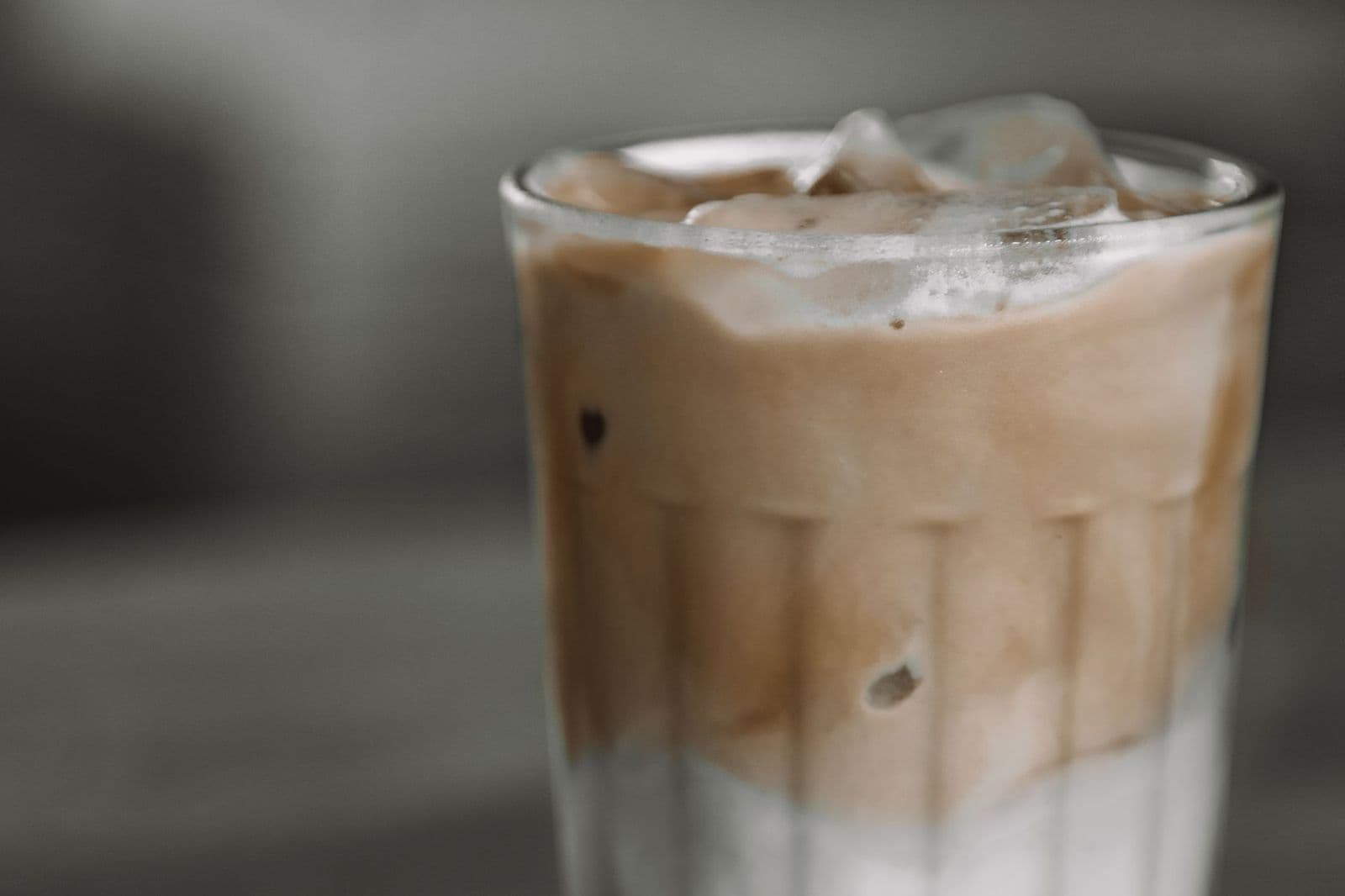
Brew directly over the ice, stir, and add cold milk or water to taste. If you prefer coffee that has not touched ice, brew into a heat-safe jug, let it cool, and refrigerate it for later, then pour over fresh ice. That method avoids dilution but takes longer.
For guests, brew several strong coffees into a heat-safe jug, chill it in the fridge for an hour or two, and set out ice, cold milk and syrups so people can build their own drinks. This turns a one-cup-at-a-time machine into a small iced coffee bar without any setting the E8 does not have.
After serving, follow your normal care routine: empty the drip tray and grounds container when prompted, and if you used the milk system, run the milk system cleaning the machine offers. Refrigerate any leftover milk right away rather than leaving it out.
Settings and Results You Can Assess
Documented Controls
The E8's documented controls are its specialty buttons and display, the grinder selector switch, and preparation preferences such as strength and volume. The machine brews hot. It has no cold-water extraction, no long steeping mode and no dedicated over-ice program in the listings we reviewed. The Z10, by comparison, lists both cold brew specialties and a grinder that adjusts to coarse for cold brew.
On the older E8 listing, the display is described as adaptable: product settings and their positions on the screen can be changed, and product names shown or hidden. That helps you put your favorite iced coffee base, such as a strong espresso, in an easy spot, but it does not add new brewing methods.
Measured or Observed Results
We did not brew with an E8, so this is a research based assessment rather than measured results. What the documentation supports is a reliable hot espresso or coffee that you can pour over ice. It does not support claims about the flavor of E8 iced coffee compared with genuine cold brew.
What Remains Subjective
Taste is personal. Some people prefer the brighter flavor of hot coffee chilled over ice, while others prefer the smoother, lower-acid style often associated with cold brew. Ice amount, bean choice and strength all change the result, so experiment to find your balance.
Limitations and Common Mistakes
The biggest mistake is assuming a drink label proves a brewing method. "Iced coffee" from a hot machine is not cold brew, and naming a saved drink "cold brew" does not change how it is made. If true cold brew matters to you, the E8 is not the tool.
Another mistake is under-strength coffee. A normal-strength coffee poured over a full glass of ice tastes thin once the ice melts. Use a stronger setting or a smaller volume, or chill the coffee first.
Avoid using milk specialties for iced drinks unless you want warm milk, and do not leave milk in a container at room temperature. Finally, do not copy settings or features from another JURA model, such as the Z10's cold extraction, onto the E8, since the machines are built differently.
Also avoid pouring ice or cold liquids into the water tank or bean container to "make it colder." The machine is designed to brew with water at its own temperature, and putting ice where it does not belong can cause leaks or damage. Keep all the chilling in the glass.
Cleaning and Care After Use
Iced coffee from an E8 needs the same care as any hot drink. Empty the grounds container and drip tray when the machine prompts you, and wash removable parts as your manual describes. Washing those parts is separate from cleaning the internal coffee path, which uses the cleaning program and approved tablets.
If you used milk, run the one-touch milk system cleaning the 15648 listing describes, and follow the manual for the deeper milk system clean with an approved cleaner. Descaling or filter changes follow their own schedule, prompted by the machine.
Use only JURA-approved cleaning supplies and follow the exact steps in your manual. Do not substitute household chemical mixtures, since the wrong product can damage seals or leave residues.
When Another Method or Machine Fits Better
A Supported Alternative Method
For genuine cold brew at home, use a manual cold brew method: steep coarsely ground coffee in cold water for many hours in a jar or a dedicated cold brew maker, then filter. You can grind the beans with a separate grinder set to coarse. The result differs from E8 iced coffee, and it takes planning, but it is true cold-water extraction. Many people keep a jar of cold brew concentrate in the fridge and use the E8 for hot drinks, which covers both styles.
A Different Verified Machine
If you want cold brew from an automatic machine, the JURA Z10 lists a Cold Extraction Process, with the 15822 listing describing cold water pulsed through coarse grounds and a grinder that adjusts to coarse for cold brew. Our best JURA coffee machine guide compares the lineup, and our JURA Z10 cold brew guide explains that workflow.
Frequently Asked Questions
Which generation supports this function?
None of the E8 generations listed on Amazon US documents cold brew. The 15648 listing and an earlier 2.8-inch display listing both describe hot specialties only. Check your exact model's manual, since it is the final word for your machine.
Is any extra equipment needed?
For iced coffee, no: you need beans, water, ice and a heat-safe glass. For genuine cold brew, you need a separate cold brew method, such as a jar or cold brew maker and coarsely ground coffee.
What cleaning does this workflow require?
The same as any hot drink: empty grounds and drip tray when prompted and run milk system cleaning if you used milk. Follow the cleaning and descaling programs in your manual with approved supplies.
What should I choose if native support is absent?
Make strong iced coffee on the E8, or brew cold brew separately with a manual method. If automatic cold brew is a must, consider a machine that lists it, such as the JURA Z10.
Final Takeaway
JURA E8 cold brew is not a documented feature, so the honest route is strong hot coffee poured over ice, or a separate cold brew method when you want the real thing. Confirm your generation in the manual, use only the settings it lists, and keep up the normal cleaning routine. For more on the machine itself, read our JURA E8 review and the how to clean JURA E8 guide, or compare formats in coffee machine vs coffee maker and our best coffee makers roundup.