How Does A Super Automatic Espresso Machine Work: Practical Guide
Disclosure: We may earn a commission when you buy through links on this page, at no extra cost to you. As an Amazon Associate I earn from qualifying purchases. Learn more
How does a super automatic espresso machine work? Grinder, brewing unit, pump and milk system explained, plus the care you still handle.
If you have ever wondered how does a super automatic espresso machine work, the short version is that it puts a grinder, a brewing unit, a water heater and often a milk system inside one cabinet, then runs them in sequence when you press a button. You add beans, water and milk; the machine grinds, doses, compacts, brews and discards the used coffee on its own.
This guide explains each stage in plain terms, what the machine still leaves to you, and where the label is often misunderstood. It covers bean-to-cup machines for home use, not capsule machines or manual espresso machines.
How Does A Super Automatic Espresso Machine Work: The Direct Answer
A super automatic espresso machine, also sold as a fully automatic or bean-to-cup machine, automates every step of making an espresso-based drink. A built-in grinder grinds whole beans, an internal brewing unit doses and compresses the grounds, heated water is pushed through them under pressure, and the spent puck drops into a grounds container. Many models also heat and froth milk and dispense it into the cup.
The key difference from other espresso machines is that you never handle a portafilter or tamp coffee. You choose a drink, and the machine does the rest. What it does not do is maintain itself: you still empty containers, refill water and beans, and run cleaning programs when prompted.
The term applies to machines that start from whole beans. Capsule machines, semi-automatic espresso machines and drip coffee makers work differently, even when they also have one-touch buttons.
Key Terms and Scope
What the Term Includes
"Super automatic," "fully automatic" and "bean-to-cup" are used for the same category: machines with an integrated grinder and an internal brewing unit that handle dosing and tamping without you. Brands such as JURA, De'Longhi, Philips, Gaggia and KitchenAid sell machines in this class. Models differ in drink menus, milk systems and controls, but the core sequence is the same. Prices range from compact entry models to flagship machines with touchscreens and dozens of drinks, yet the basic mechanism inside is shared across the category.
What It Does Not Mean
Super automatic does not mean self-maintaining. Most machines rinse themselves and some clean their milk systems at a touch, but they still need you to empty grounds and drip trays, add cleaning tablets and descale when asked. It also does not separate a "coffee machine" from a "coffee maker" in any technical sense; those words are used loosely, as our coffee machine vs coffee maker guide explains.
How It Works in Practice
Coffee or Water Input
Everything starts with whole beans in a hopper on top of the machine and water in a removable tank. Many models also have a bypass chute for a single scoop of preground coffee, useful for decaf, and the manual explains its limits. Milk comes from a carafe, a container or a tube placed in milk, depending on the design.
Water quality matters more than people expect. Many machines accept a filter cartridge in the tank, and settings for water hardness tell the machine how soon to ask for descaling.
Hopper size, tank size and the type of milk system vary widely between models, and they decide how often you refill. A large household that makes many drinks a day will notice those capacities far more than a single user.
Brewing or Preparation Process
When you choose a drink, the grinder runs and drops a measured dose of grounds into the brewing unit. The unit compresses the grounds into a puck, much like tamping by hand. A pump then pushes heated water through the puck, and the espresso flows to the spout. Afterward, the unit releases the spent puck into the grounds container and resets for the next drink.
Machines also manage temperature for you. Some heat water on demand, some keep a boiler or heating block ready, and many preheat the brewing path so the first cup is not cold. Milk drinks add another stage: the machine heats and aerates milk with steam and dispenses it before or after the espresso, depending on the drink.
Some machines adjust the grind automatically for each drink; JURA describes this on its Z10 as a Product Recognizing Grinder. Others use a grind setting you choose, such as the adjustable P.A.G.2 grinder on JURA's E8 and S8. Your remaining steps are choosing the drink, placing the cup and, for milk drinks, connecting the milk.
Output and Controls
Output depends on the menu. Simple machines offer espresso, coffee and a few milk drinks; premium machines list dozens of specialties, and some add cold brew style drinks. Controls range from buttons to touchscreens, with settings for strength, volume, temperature and milk amount, and profiles for different users on some models.
A "coffee" or "lungo" from a super automatic is a long drink brewed through the espresso system, one cup at a time. It is not the same as a pot of drip coffee, and more drink options do not automatically mean better-tasting coffee.
Most people end up using a handful of favorites. Saving those as presets, with your preferred strength and volume, is where the controls earn their keep; the rest of a long menu is a bonus rather than the reason to buy.
Cleanup and Ownership
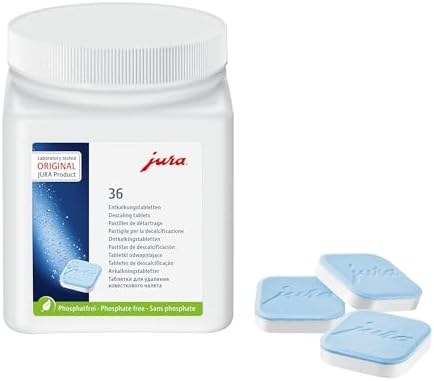
Automatic care usually covers rinsing the coffee spout at startup and shutdown and, on many models, cleaning the milk system at a touch. Manual care covers emptying the grounds container and drip tray, refilling water and beans, washing removable parts, and running the cleaning and descaling programs when prompted with the supplies the manual names.
Some designs have a removable brewing unit you rinse by hand; others, such as JURA's, keep the unit inside and clean it through a program using cleaning tablets. That design choice affects your weekly routine more than most drink-menu features. Ask how the brewing unit is cleaned before you buy, since it tells you what ownership will feel like.
Practical Examples
A Simple Household Scenario
Picture a couple who each drink a latte in the morning. With a super automatic, each person presses one button; the machine grinds, brews, froths and pours, and runs a short milk rinse afterward. Their real work is emptying the grounds container every few days, keeping milk cold, refilling beans and water, and running a cleaning program when the display asks. They never weigh coffee or tamp a puck.
When guests visit, anyone can make a drink by reading the screen, which is one of the strongest everyday arguments for this format.
Compared with a manual espresso machine, they trade control for consistency and speed. Compared with a capsule machine, they pay more upfront but buy whole beans instead of capsules.
A Different Routine or Format
Now picture a household that drinks a full pot of black coffee every morning. A super automatic brews one cup at a time, so serving four mugs means four brewing cycles and more grounds to empty. For that routine, a drip coffee maker or a grind-and-brew drip machine makes more sense.
Likewise, someone who enjoys dialing in shots by hand will find a super automatic limiting, since dosing and tamping are fixed by the machine. A semi-automatic espresso machine with a separate grinder suits that person better. And a household that only wants occasional espresso may be happier with a compact capsule machine, which costs less and needs less counter space.
Limits and Common Misunderstandings
Marketing terms can blur what a machine actually does. Pressure ratings, drink counts and "barista" labels describe features, not results, and a higher price or longer menu does not guarantee better coffee. Taste depends far more on fresh beans, correct grind and clean equipment than on the number of buttons.
Functions are also model-dependent. Cold brew, automatic grind adjustment, one-touch milk cleaning and app control appear on some machines and not others, so check the specific listing and manual rather than assuming the category includes them.
The biggest misunderstanding is that "automatic" means "maintenance-free." Every super automatic needs regular emptying, cleaning programs and scale control. Owners who keep up with those tasks get consistent results; owners who ignore prompts usually see flavor and reliability suffer.
Another misunderstanding is that a super automatic replaces every other coffee maker. It is excellent at single espresso-based drinks, but it is not designed to brew large batches, and it cannot match the control of a manual setup for people who enjoy that process.
What This Means for Your Next Decision
Keep, Maintain, or Choose a Format
Choose a super automatic if you want espresso-based drinks with almost no preparation and will handle simple daily care. If you already own one and it tastes stale, start with the manual's cleaning program and fresh beans before blaming the machine. A dirty brewing unit, old beans or scale buildup explain many complaints that owners first blame on the machine itself. If your routine is pots of drip coffee or manual espresso, another format will serve you better.
Where to Learn More
For machines in this class, see our guide to the best super automatic espresso machine. For other formats, from drip to pods, see our guide to the best coffee makers. If you own a JURA, our JURA Z10 maintenance guide shows what a typical care routine looks like.
Frequently Asked Questions
Does this apply to every model?
The core sequence of grind, dose, compress, brew and discard applies to every super automatic. Menus, milk systems, grinder adjustment and cleaning designs vary, so check your specific model's manual for details.
Which related term is commonly confused with it?
Semi-automatic is the term most often confused with it. A semi-automatic machine automates water flow, but you grind, dose and tamp yourself. Capsule machines are also one-touch but use pods instead of beans.
What changes with my coffee or water setup?
Fresh whole beans matter most, since the grinder works from the hopper. Very oily beans can be a problem for some grinders, so follow the manual's advice on roast type and store beans in an airtight container. Water hardness and filter use set how often descaling prompts appear.
When do I need model-specific instructions?
You need your exact manual for cleaning programs, descaling, filter setup and any reset or error message. Button sequences and approved supplies differ between brands and even between generations of the same model. Keep the manual for your exact model code handy, and use the manufacturer's support line when a message will not clear.
Key Takeaway
So, how does a super automatic espresso machine work? It grinds whole beans, doses and compresses them in an internal brewing unit, brews with heated water under pressure and discards the puck, all from one button, often with automatic milk too. The main exception is maintenance, which remains your job. Your next step: match the machine to the drinks you actually make, then keep up with its prompts.