
JURA Z10 vs De'Longhi: Which Should You Choose?
Disclosure: We may earn a commission when you buy through links on this page, at no extra cost to you. As an Amazon Associate I earn from qualifying purchases. Learn more

JURA Z10 vs De'Longhi compared: the Z10 against the PrimaDonna Aromatic on milk, cold brew, care and price.
The JURA Z10 vs De'Longhi decision pits JURA's flagship automatic machine against De'Longhi's own top fully automatic model, the PrimaDonna Aromatic. Both grind, brew and finish milk drinks at one touch, both list cold brew, and both adjust their grinders automatically, so the real differences lie in milk handling, menu style, care and a price gap of roughly $1,700.
De'Longhi sells everything from manual espresso machines to fully automatic ones, so we matched the Z10 with the De'Longhi model that shares its format and ambitions, and we say so plainly. Here is how the two compare for coffee, milk, daily care and full cost.


Quick Verdict
Choose JURA Z10 If…
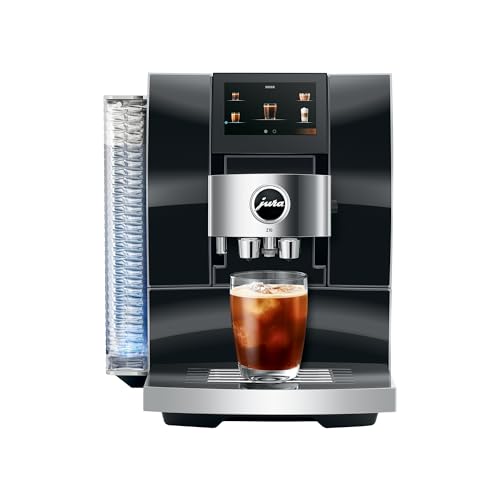
Choose the JURA Z10 if you want the widest one-touch menu and automatic milk system cleaning documented in the listing. The 15822 listing describes 40 hot, sweet and cold brew specialties, a grinder that changes setting for each drink and an Extra Shot function for milk drinks. The compromise is price: around $4,199, far above the De'Longhi.
Choose De'Longhi If…
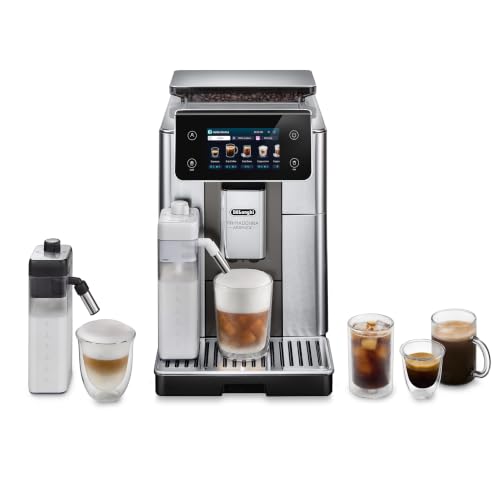
Choose the De'Longhi PrimaDonna Aromatic if you want hot and iced drinks, including drip style coffee and cold froth, at a lower price. It lists 38 hot and iced recipes, Bean Adapt grinding and LatteCrema Hot and Cool milk technology for dairy or plant milk. The compromise is a slightly smaller menu and no automatic milk cleaning claim in its listing.
Scope and Side-by-Side Table
The JURA side is the Z10 15822 listing, which describes 40 specialties; older Z10 listings describe 32 options, so confirm the code. The De'Longhi side is the PrimaDonna Aromatic, chosen because it is De'Longhi's fully automatic machine with espresso, drip coffee and cold brew extraction and hot and cold milk, the closest match in format and workflow. It costs less, so this is a matched format at different price points.
| Feature | JURA Z10 (15822) | De'Longhi PrimaDonna Aromatic |
|---|---|---|
| Format | Fully automatic | Fully automatic |
| Coffee output | 40 hot, sweet and cold brew specialties | 38 hot and iced recipes incl. espresso, drip coffee, cold brew |
| Grinder | Product Recognizing Grinder, adjusts per drink | Bean Adapt and Adaptive Grinding, integrated burr grinder |
| Milk | One-touch milk specialties, Extra Shot | LatteCrema Hot and Cool, dairy or plant milk |
| Cold drinks | Cold Brew Extraction Process | Cold brew extraction, iced lattes, cold froth |
| Controls | 4.3 inch touchscreen, Wi-Fi Connect | See listing |
| Care | Automatic one-touch milk system cleaning plus tablets and descaling | Removable, dishwasher-safe milk parts plus descaling |
| Machine price | Around $4,199 | Around $2,500 |
How We Compared These Options
We compared each maker's US listing for the exact model and recorded only the functions each listing documents, treating missing details as unknown rather than guessing from other models in the family. Both machines include grinders and milk systems, so the complete setup adds only care supplies: descaling products, cleaning products and water filters as each manual specifies.
No brewing trials were done for this comparison. We separate verified features, practical observations about routines and our own judgments, and we do not declare a flavor or reliability winner, because listings cannot support one.
Coffee Preparation and Adjustment
What Each Option Supports
The JURA Z10's Product Recognizing Grinder automatically sets fine grind for espresso, medium for Americano and coarse for cold brew, and its eighth-generation brew unit with 3D brewing handles extraction. The De'Longhi PrimaDonna Aromatic uses Bean Adapt and Adaptive Grinding technologies, which the listing says recognize your beans to set grind settings automatically, with an integrated burr grinder.
The De'Longhi also lists three extraction technologies, for espresso, drip coffee and cold brew, matched to each recipe. The Z10 lists a dedicated Cold Brew Extraction Process alongside its hot specialties. Both aim to remove grind guesswork; they describe the approach differently.
One practical point: automatic grind setting helps most when you change beans often. If you buy a different roast every few weeks, a machine that adapts its grind for you saves the trial and error of adjusting by hand. If you stick with one bean, both machines settle into a routine quickly and the feature matters less.
What Changes in Everyday Use
Day to day, both are choose and wait machines. You fill beans and water, pick a drink and let the machine grind and brew. Neither asks you to tamp, dose or move a portafilter. You still empty the grounds container and drip tray and refill the water tank on both.
The De'Longhi's drip coffee recipes are a practical bonus for households that want a mug of regular coffee as well as espresso drinks. The Z10 lists Americano among its specialties, so check which style suits the coffee drinkers in your home.
Think about the people who will use the machine. Both are friendly to beginners, since neither needs barista skills. A household with one espresso fan and one drip coffee fan may find the De'Longhi's recipe list covers both without compromise, while a household that mostly drinks milk specialties will appreciate the Z10's menu depth.
Who Benefits from the Difference
Do not read Product Recognizing Grinder or Bean Adapt as measured proof of better coffee; they describe how each machine automates grind choice. The takeaway: both suit buyers who want zero technique. The De'Longhi suits homes that want drip style coffee too, while the Z10 suits buyers who want the broadest specialty menu.
Milk and Drink Options
What Each Option Supports
The JURA Z10 15822 lists sweet and hot specialties and an Extra Shot function to strengthen a cappuccino, flat white or latte macchiato. The De'Longhi PrimaDonna Aromatic lists LatteCrema Hot and Cool technologies that turn dairy or plant-based milks into textures from silky steamed milk to light, airy cold froth, and its milk parts are removable and dishwasher safe.
The De'Longhi's 38 recipes include iced lattes, cappuccinos, cortados and flat whites as well as espresso, Americano, drip coffee, cold brew and iced coffee. Check the Z10 manual for cold foam and plant milk guidance on your code, since its listing does not cover them.
What Changes in Everyday Use
Useful drinks matter more than menu counts. For a hot latte each morning, both are one tap. For iced lattes with cold froth in summer, the De'Longhi's listing is more explicit, naming cold froth and iced milk drinks. For a stronger latte without changing beans, the Z10's Extra Shot is a handy, documented option.
Plant milk drinkers get clearer guidance from De'Longhi, whose listing names plant-based milks for its LatteCrema system. With the Z10, results depend on your milk brand, so expect to try a few.
Who Benefits from the Difference
Cold extraction and drinks served over ice are different. The Z10 lists a Cold Brew Extraction Process that pulses cold water through coarse grounds. The De'Longhi lists cold brew extraction technology plus iced recipes. Both document genuine cold brew, and the De'Longhi adds cold milk froth for iced milk drinks.
If iced drinks are a summer treat rather than a daily habit, either machine covers them. If you drink iced lattes most days, the De'Longhi's cold froth and iced recipes are the more complete documented package. If you want cold brew to sip black, both list it, and the Z10 pairs it with a grind change made automatically for that drink.
Daily Use and Maintenance
What Each Option Supports
The Z10 uses a 4.3 inch touchscreen with Specialty Selection and Wi-Fi Connect for the J.O.E. app, and its listing highlights easy maintenance with automatic one-touch milk system cleaning. The De'Longhi listing does not describe its control panel, but it notes that the LatteCrema milk parts are removable and dishwasher safe.
What Changes in Everyday Use
On the Z10, a button press cleans the milk system, though you still use JURA milk system cleaner, cleaning tablets, descaling tablets and filter cartridges on the schedule in the manual. On the De'Longhi, you remove the milk parts and wash them, by hand or in the dishwasher, and use a descaler such as De'Longhi EcoDecalk when the machine asks.
Both need the grounds container and drip tray emptied regularly and the water tank refilled. Neither machine removes maintenance entirely; they simply move it to different steps.
Water hardness affects both machines. Follow each manual's guidance on water filters and descaling frequency for your area, because limescale is a common cause of trouble in automatic machines. Keeping a small stock of the right supplies makes it easier to stay on schedule.
Who Benefits from the Difference
We make no reliability or lifespan claims. The conditional takeaway: if a button-press milk clean is worth a premium, the Z10 fits. If you are happy to put milk parts in the dishwasher, the De'Longhi's routine is simple and saves a lot of money.
Complete Price and Value
What Each Option Supports
On the same day, both new, the JURA Z10 15822 listed at around $4,199 and the De'Longhi PrimaDonna Aromatic at around $2,500. Prices vary by finish and retailer, so compare the same condition on the same date before deciding.
What Changes in Everyday Use
Neither needs an external grinder or frother. Supplies differ by brand: JURA cleaning tablets, descaling tablets, milk system cleaner and filters for the Z10, and a descaler such as De'Longhi EcoDecalk plus any filters and cleaners in the manual for the PrimaDonna. Beans and milk are the largest ongoing cost for both.
The gap of roughly $1,700 can buy a lot of coffee. For many households that alone favors the De'Longhi, unless one of the Z10's specific features is essential.
A simple way to decide is to list the three drinks you make most often and check which machine documents them clearly. If both cover your list, the lower price usually wins. If only one covers a drink you care about, such as a stronger latte with Extra Shot or an iced latte with cold froth, that drink should guide the purchase.
Who Benefits from the Difference
Judge value on workflow fit and US support, not brand prestige. The De'Longhi is better value for households that want hot and iced drinks, drip coffee and plant milk options. The Z10 is better value for buyers who will use its larger specialty menu, Extra Shot and one-touch milk cleaning every day.
Representative Products and Pairing Limits
A Verified Pair at a Relevant Price Level
The JURA Z10 (15822) wins on menu breadth, with 40 specialties, and on care convenience, with automatic one-touch milk system cleaning. Its limitation is price, about $1,700 more than the De'Longhi.
The De'Longhi PrimaDonna Aromatic wins on drink variety per dollar, with drip coffee, cold brew and iced milk drinks, and on milk flexibility, with hot and cold textures for dairy or plant milk. Its limitation is that milk parts are washed by you rather than cleaned at a button press.
For the De'Longhi's descaling, the De'Longhi EcoDecalk 2-pack contains two 100 ml bottles, each for one use; follow the manual for frequency.
What the Pair Does Not Prove
This pair matches format, not price. It does not show how JURA compares with De'Longhi's portafilter machines, such as the La Specialista range, or with mid-priced De'Longhi automatics like the Eletta Explore. It also says nothing about how a lower priced JURA compares with the PrimaDonna.
It cannot predict long-term reliability for any single unit either. Both brands sell many models with different milk systems and menus, so do not extend this comparison to every machine from either brand. Match the exact US model and code when you buy.
Finally, listings change. Makers update feature text and model codes, so the details here reflect the listings we checked. Confirm the current listing and manual for the exact model before you buy.
JURA Z10 vs De'Longhi: Which Should You Choose?
For Convenience-First Buyers
Both are one-touch machines, so convenience is close. The Z10 edges ahead on care, with milk system cleaning at a button press. The De'Longhi asks you to wash its removable milk parts, a short job that many owners simply add to the dishwasher load.
For Buyers Seeking Control or Different Drinks
Choose the De'Longhi if you want drip style coffee, iced lattes with cold froth and plant milk named in the listing. Choose the Z10 if you want the larger specialty menu, sweet specialties and an Extra Shot function for stronger milk drinks.
For Budget and Space Constraints
The De'Longhi costs roughly $1,700 less, the deciding factor for most buyers. Both are large countertop machines, so measure depth, height for bean hopper access and space to slide out the drip tray. The compromise is Z10 convenience extras against a much lower price.
Frequently Asked Questions
Are these options the same type of machine?
Yes. Both the JURA Z10 and the De'Longhi PrimaDonna Aromatic are fully automatic machines that grind, brew and prepare milk drinks at one touch. Their differences are in menu, milk system, care routine and price rather than in basic format.
Which is easier to use and maintain?
Both are equally easy to use for drinks. The Z10 is easier to maintain for milk, since its listing documents automatic one-touch milk system cleaning. The De'Longhi's milk parts are removable and dishwasher safe. Both still need descaling and regular emptying of grounds and drip trays.
What accessories or coffee formats do they require?
Both use whole beans and include grinders and milk systems, so no separate grinder or frother is needed. You will need brand-specific care supplies: JURA tablets, milk system cleaner and filters for the Z10, and a descaler such as EcoDecalk for the De'Longhi.
Which offers better value for my routine?
The De'Longhi offers better value for most homes, with hot and iced drinks, drip coffee and plant milk options for about $1,700 less. The Z10 is worth it if its larger menu, Extra Shot and button-press milk cleaning will be used daily.
Final Verdict
In the JURA Z10 vs De'Longhi comparison, the Z10 suits buyers who want 40 specialties and one-touch milk cleaning, while the De'Longhi PrimaDonna Aromatic suits buyers who want hot and iced drinks, drip coffee and plant milk flexibility at a much lower price. Choose by drinks and budget, not by badge. Compare more models in our best JURA coffee machine and best De'Longhi espresso machine guides, or see the best espresso machine and best super automatic espresso machine picks.


