
Best Espresso Machine With Grinder: Buying Guide
Disclosure: We may earn a commission when you buy through links on this page, at no extra cost to you. As an Amazon Associate I earn from qualifying purchases. Learn more

Compare the best espresso machine with grinder in two formats, portafilter and fully automatic, with five picks from budget to guided.
The best espresso machine with grinder saves you from buying and matching a separate grinder, and it keeps beans-to-cup on one footprint. But "with grinder" covers two very different machines: portafilter models where the grinder doses into a handle you tamp and lock in yourself, and fully automatic models that grind, tamp and brew internally at the press of a button.
This guide separates those two formats and recommends five machines sold new on Amazon US, from a budget portafilter model to a guided Ninja and a one-touch Philips. Start with the quick picks, or read the buying section first if you are unsure how much of the process you want to handle.


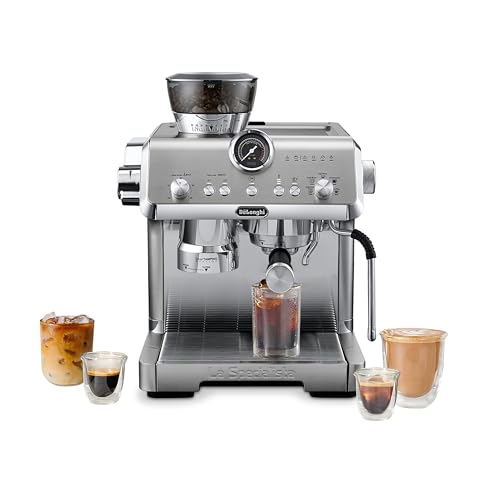
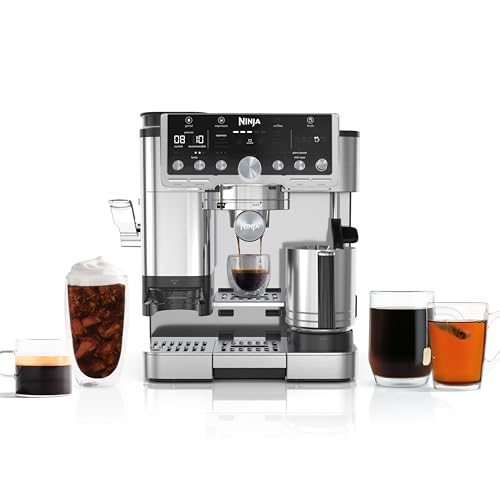

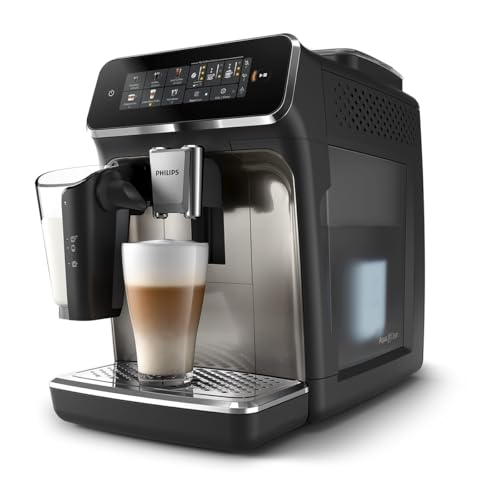
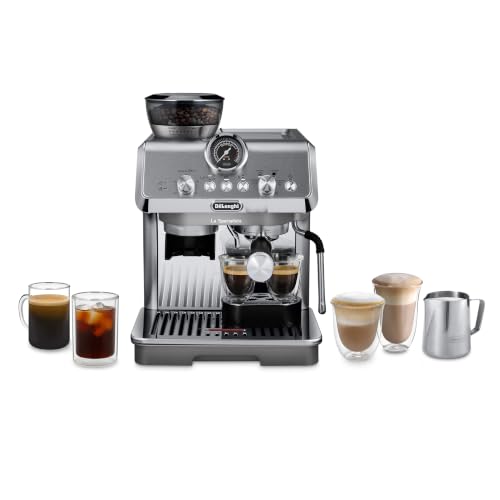

Quick Picks for Espresso Machine With Grinder
Each pick fits a different routine, so choose by how much of the process you want to do yourself.
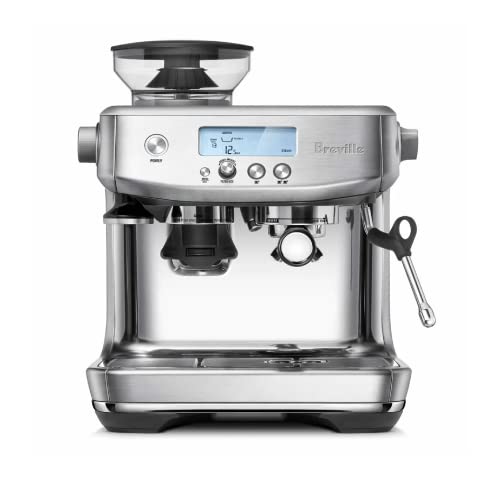
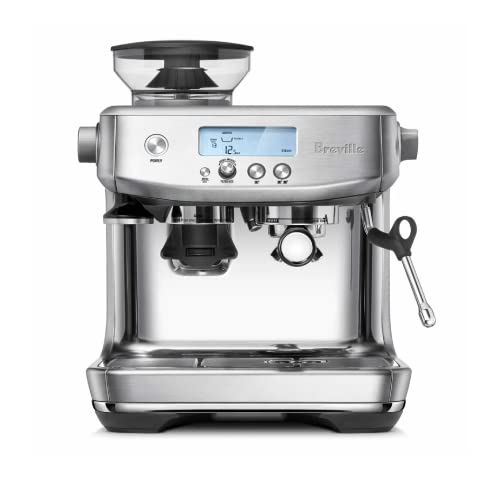
- Breville Barista Pro BES878: the best fit for most home baristas, with a one-touch burr grinder, fast heat up and an LCD that shows grind and shot progress.
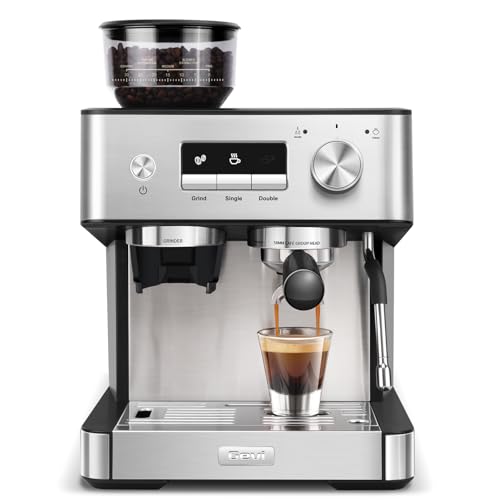
- Gevi 20 Bar Espresso Machine with Grinder: the value pick, with a 30-setting burr grinder, PID temperature control and a steam wand at a much lower price.
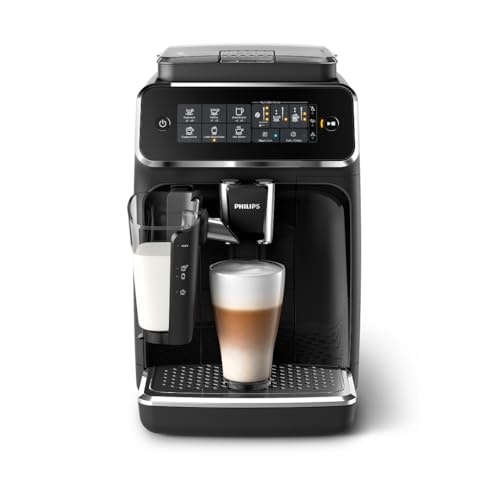
- Philips 3200 Series LatteGo EP3241/54: the simpler workflow, a fully automatic machine that grinds, brews and froths milk at one touch.
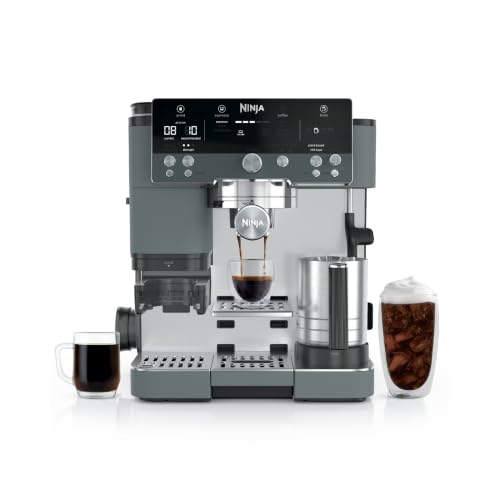
- Ninja Luxe Café Premier ES601: the alternative routine, adding drip coffee and cold brew to espresso, with weight-based dosing and grind recommendations.
- Breville Barista Express Impress BES876: the pick for added control with less mess, thanks to intelligent dosing and assisted tamping.
The principal trade-off is control against effort: portafilter machines let you adjust every shot but ask you to learn, while automatic machines remove steps and limit fine tuning. Each machine is covered in the recommended options below.
Compare the Qualifying Options
Prices are rounded and change often; see the product table above for current prices and the listings for dimensions. All five include a built-in grinder, so no separate grinder is required.
| Model | Role | Format | Grinder | Milk system | Main limitation | Price |
|---|---|---|---|---|---|---|
| Breville Barista Pro BES878 | Main pick | Portafilter | Integrated conical burr, one-touch dose | Manual steam wand | Manual tamping and steaming | Around $630 |
| Gevi 20 Bar with Grinder | Value | Portafilter | Conical burr, 30 settings | Steam wand with hot water mode | Smaller brand support network | Around $290 |
| Philips 3200 LatteGo | Simpler workflow | Fully automatic | Ceramic, internal | LatteGo automatic, two parts | Less shot-by-shot control | Around $500 |
| Ninja Luxe Café Premier ES601 | Alternate routine | Portafilter with guidance; drip and cold brew | Conical burr, 25 settings, built-in scale | Dual Froth System, hands-free | Large machine with many functions | Around $600 |
| Breville Barista Express Impress BES876 | Added control | Portafilter | Conical burr, 25 settings, intelligent dosing | Manual steam wand | Highest price of the portafilter picks | Around $650 |
How We Selected the Shortlist
Every machine had to include a built-in grinder, be sold new on Amazon US and make espresso, not just concentrated brewed coffee. We excluded bundles that pair a machine with a separate grinder, refurbished listings and capsule machines. We kept one finish per model and covered both portafilter and fully automatic formats.
We then compared grinder type and settings, temperature control, milk systems and what each machine asks of the owner, and read buyer feedback in aggregate for recurring notes on grinder consistency, reliability and cleanup. Three questions shaped the picks: how well it handles extraction and milk, how the grinder fits a fresh-bean routine, and which coffee format and serving needs it suits. This is a research based shortlist from manufacturer details, listings and owner feedback; we did not pull shots on these machines ourselves.
Recommended Options
Breville Barista Pro BES878: Best fit for the main use case
The Barista Pro suits people who want to make espresso by hand without guessing at every step. Its integrated conical burr grinder delivers a dose at a single touch straight into the portafilter, and the LCD shows grinding and extraction progress, which helps beginners connect what they change with what they taste.
Two capabilities shape the routine. The ThermoJet heating system reaches extraction temperature in about 3 seconds and switches from espresso to steam almost immediately, so a latte does not mean waiting between steps. Digital PID control holds water temperature within about 2°C, and low pressure pre-infusion starts each shot gently for more even extraction.
The limitation is manual work: you tamp by hand and texture milk with a manual steam wand, which takes practice. Skip it if you want lattes at one touch. A milk pitcher, a knock box and a small scale make the learning curve easier, and at around $630 it sits between budget machines and premium assisted models.
Gevi 20 Bar Espresso Machine with Grinder: Best value within the stated scope
The Gevi brings a built-in burr grinder to a much lower price, around $290. Its conical burr grinder offers 30 settings from coarse to very fine, and you can adjust grinding duration as well as grind size, then choose single or double shot volume.
Two features support daily use. NTC and PID temperature control aims to keep brewing and steaming temperatures steady, and the steam wand also dispenses hot water for americanos or flushing, switched with a knob. The listing quotes a 20 bar pump; treat that as a listed figure rather than a quality measure, since grind and temperature matter more.
The concrete limitation is brand support. Gevi is a smaller brand than Breville or Philips, so parts and service may be harder to find years from now. Skip it if long-term support is a priority. For a first grinder-equipped machine on a budget, it covers the essentials, and cleaning means knocking out pucks, rinsing the basket and purging the wand.

Philips 3200 Series LatteGo EP3241/54: Best for a simpler workflow
The Philips 3200 is the pick if you want fresh-ground espresso drinks without touching a portafilter. Load beans and water, choose from espresso, coffee, americano, cappuccino or latte macchiato on the touch display, and the machine grinds with its ceramic grinder, brews and froths milk.
Two features keep upkeep low. The LatteGo milk system has two parts and no tubes, and Philips says it can be cleaned in as little as 15 seconds under the tap or in the dishwasher. The AquaClean filter, changed when prompted, means you do not need to descale for up to 5,000 cups, according to the maker. My Coffee Choice lets you adjust strength and quantity.
The limitation is control: you cannot dial in each shot the way you can on a portafilter machine. Skip it if you enjoy tinkering or want latte art. At around $500, it is a strong value among fully automatic machines. For more one-touch options, see our guide to the best super automatic espresso machine.

Ninja Luxe Café Premier ES601: Best for an alternative serving routine
The Ninja Luxe Café Premier suits homes where one person wants espresso and another wants a mug of drip coffee or cold brew. It makes double or quad espresso shots, three drip styles (classic, rich or over ice) and two cold styles (cold pressed espresso or cold brew coffee) from the same machine.
Its grinder workflow is guided. The conical burr grinder has 25 settings, a built-in scale doses by weight for the drink you choose, and Barista Assist recommends a grind size based on the previous brew, while adjusting temperature and pressure during extraction. The Dual Froth System steams and whisks dairy or plant-based milk hands-free, with four presets.
The limitation is size and complexity: with this many functions it needs counter space and some time to learn the menus. Skip it if you only drink straight espresso. At around $600, it replaces both an espresso machine and a drip brewer.

Breville Barista Express Impress BES876: Best for added control or convenience
The Barista Express Impress keeps the portafilter workflow but takes the mess out of dosing and tamping. Its intelligent dosing system calculates and adjusts the amount of coffee, then corrects the next dose automatically, so you are not scooping or leveling by hand.
Assisted tamping is the other headline. A lever applies a consistent 10 kg of pressure with a 7 degree twist finish for a polished puck. The integrated conical burr grinder has 25 settings, and a Thermocoil heating system with PID control manages temperature. Milk is still textured by hand with a steam wand.
The limitation is price, at around $650, and you still steam milk manually. Skip it if you want one-touch milk drinks, where the Ninja or Philips fit better. For a wider look at the category, our guide to the best espresso machine compares machines with and without grinders.

The product table also includes the Breville Barista Touch, the De'Longhi La Specialista Opera, Touch and Arte Evo, the Ninja Luxe Café Pro, the Philips 3300 LatteGo and the De'Longhi Magnifica Evo with LatteCrema.
What to Look for Before Buying
Espresso Extraction and Milk Workflow
Look at the controls that affect extraction: grind size settings, stable temperature (PID or similar), and pre-infusion. These matter far more than the pump pressure printed on the box. Most machines quote 15 to 20 bar, but espresso extracts at much lower pressure at the puck, so a higher number does not mean a better shot.
Next, decide how you want to handle milk. Manual steam wands, like those on the Barista Pro and Impress, give the most control and suit latte art, but they take practice. Automatic systems, like the Philips LatteGo and Ninja Dual Froth, make good foam with no skill required and are easier for the whole household.
Finally, separate espresso from concentrated brewed coffee. All five picks make real espresso; some drip machines and pod brewers offer a "concentrate" setting that is not the same drink. If espresso is the point, make sure the machine has a portafilter or an internal espresso brew unit.
Integrated Grinder and Fresh-Bean Workflow
A built-in grinder is only as useful as its range and consistency. Burr grinders (conical or ceramic) produce more even grounds than blade grinders, and more settings make it easier to dial in different beans. Portafilter machines need fine adjustment; fully automatic machines manage it internally.
Think about how you buy beans. Built-in hoppers hold one bean at a time, so switching between a dark roast and a decaf means emptying the hopper or grinding through the old beans. If you change beans daily, a machine with a bypass or a separate grinder may suit you better.
Dialing in is part of owning a portafilter machine with a grinder. Start in the middle of the grind range, pull a shot, and adjust finer if it runs fast and tastes sour, or coarser if it drips slowly and tastes bitter. Change one thing at a time, and give a new bag of beans a few shots before judging it. Guided machines like the Ninja ES601 make suggestions after each brew, which shortens this process.
Plan for grinder care. Oils and fines build up over time, so clean the hopper and burrs as your manual describes, and avoid oily, flavored beans if the manual warns against them. Grind fresh, store beans sealed, and buy amounts you will use within a few weeks.
Coffee Format and Serving Needs
Every pick uses whole beans, but the drinks differ. Portafilter machines make one or two shots at a time; the Ninja ES601 adds drip coffee and cold brew; fully automatic machines like the Philips make a menu of drinks at one touch, including a longer coffee.
Count your drinks. A household making four lattes every morning will wait longer on a portafilter machine than on a fully automatic one. If several people want large mugs of coffee, a machine with a drip function or a separate drip brewer avoids queues.
Avoid comparing espresso and drip output as if they were identical. A double espresso is about 2 oz of concentrated coffee; a drip mug is many times that and much milder. Decide which you drink most, then choose the format.
Which Option Fits Your Routine?
Your Must-Have Function
If one-touch drinks are essential, choose the Philips 3200. If you want espresso plus drip, pick the Ninja ES601. If you want to learn the craft, the Barista Pro or Impress fit best.
Your Preparation and Cleanup Tolerance
If tamping and steaming sound fun, go portafilter. If you want to press a button and rinse two milk parts, go fully automatic.
Your Complete Budget
Add a milk pitcher, knock box, water filters and descaler or cleaning tablets to the machine price. Built-in grinders save the cost of a separate grinder.
Frequently Asked Questions
Which features matter most for this use case?
A burr grinder with enough settings, stable temperature control and a milk system you will actually use matter most. Burr grinders give even grounds, PID or similar control keeps shots consistent, and an automatic frother suits households that want lattes without practice. Pump pressure is the least useful number on the box.
How do I choose the correct serving capacity?
Count how many drinks you make back to back and their size. Portafilter machines brew one or two shots at a time, while fully automatic machines queue drinks quickly. Check water tank and bean hopper size against your morning, and choose a machine with a drip function if someone wants full mugs.
What extra equipment will I need?
Portafilter machines benefit from a milk pitcher, a knock box and a small scale, though the Ninja includes a built-in scale. Fully automatic machines need little beyond beans, the maker's water filters and cleaning or descaling products. None of these machines needs a separate grinder.
How much daily cleaning should I expect?
Expect a few minutes a day. Portafilter machines need pucks knocked out, baskets rinsed and the wand purged and wiped. Fully automatic machines need the grounds container and drip tray emptied and milk parts rinsed. Grinder cleaning and descaling are periodic, following your manual.
Final Verdict
For most home baristas, the Breville Barista Pro is the best espresso machine with grinder because it pairs a one-touch burr grinder with fast heat up, precise temperature control and helpful on-screen feedback. If you want drinks at one touch with no learning curve, the Philips 3200 LatteGo is the alternative, with the trade-off of less control over each shot. Decide how much of the process you want to handle, confirm the exact model and current price on the listing, and the best espresso machine with grinder for your kitchen will be clear.


