
Breville Bambino Review: Features, Trade-Offs, and Value
Disclosure: We may earn a commission when you buy through links on this page, at no extra cost to you. As an Amazon Associate I earn from qualifying purchases. Learn more

Our Breville Bambino review covers the BES450's espresso workflow, milk steaming, cleaning and the real cost with a grinder.
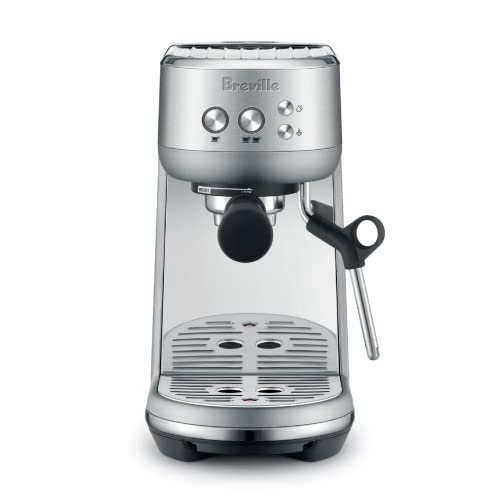
This Breville Bambino review looks at whether the BES450, Breville's smallest and least expensive espresso machine, is the right first machine for making espresso, Americanos and the occasional latte at home. It is a semi-automatic portafilter machine with no built-in grinder, so the full answer depends on your drinks, your patience with milk and the grinder you pair it with.
We cover the current US model sold new on Amazon, what ships in the box, how espresso and milk work day to day, cleaning, and the full cost of a working setup. We also compare it with the Bambino Plus where the difference actually matters, using only what each listing documents.



Quick Verdict: Who Is Breville Bambino For?
Who Should Consider It?
The Bambino suits someone who mostly drinks espresso, Americanos or cappuccinos and wants a compact, fast machine at around $250. It heats in about 3 seconds, uses PID temperature control and includes a hot water button for Americanos. You will grind, dose and tamp yourself, so it rewards people who enjoy a short manual routine and are ready to buy a capable grinder.
Who Should Choose Another Format?
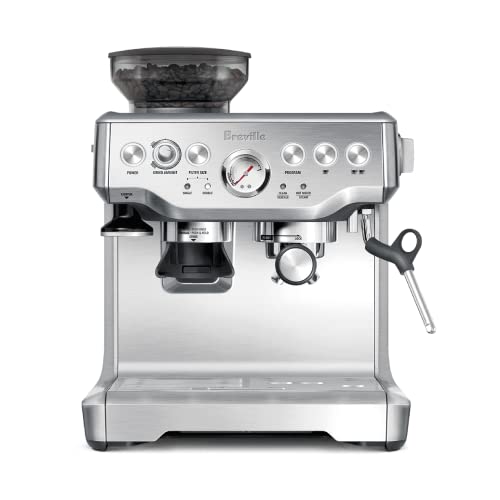
If you make lattes every morning for several people and want repeatable milk settings, the Bambino Plus lists adjustable milk temperature and texture levels. If you want a grinder in the same machine, the Breville Barista Express fits better. People who want coffee at the press of a button should look at super automatic machines instead.
Version, Specifications, and What Is Included
This review covers the Breville Bambino BES450, the US model rated at 1560 watts for 110 to 120 volts, in the brushed stainless finish (BES450BSS). It is not the Bambino Plus (BES500), which adds milk settings, an automatic purge and a longer warranty. Specifications below come from the BES450 listing.
| Specification | Breville Bambino (BES450) |
|---|---|
| Machine type | Semi-automatic espresso, portafilter |
| Supported drinks | Espresso (1 or 2 cups), hot water, milk drinks via steam wand |
| Grinder | None built in; external espresso grinder required |
| Portafilter | 54mm, 19 gram dose |
| Filter baskets | 1 cup and 2 cup, single wall and dual wall |
| Heating | ThermoJet, extraction temperature in about 3 seconds; PID temperature control |
| Extraction | Low pressure pre-infusion |
| Controls | 1 cup, 2 cup, hot water and steam buttons |
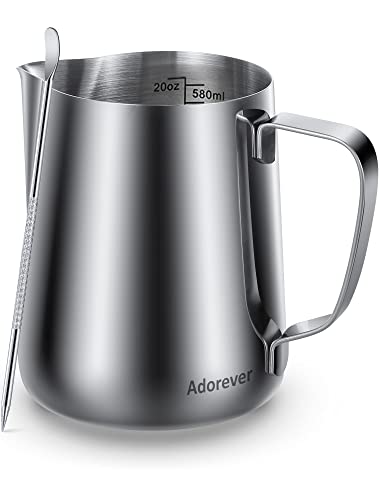
| Milk | Steam wand; milk jug included |
| Dimensions | Compact; see listing for exact size |
| Warranty | 1 year limited |
| Price | Around $250 (machine only) |
The box includes the portafilter, the four filter baskets, a milk jug, a tamper, a steam wand tip cleaning tool and descaling powder, according to the listing. That covers most of what you need beyond a grinder and beans. Optional extras worth considering are a tamping mat, a kitchen scale and a better tamper if you outgrow the included one.
Keep versions apart when you shop. Listings for the Bambino Plus and remanufactured units sit next to the BES450 in search results, and their prices and features differ. Everything in this review refers to the new BES450.
Setup and Kitchen Fit
Initial Setup
Follow Breville's manual for first use: rinse and fill the water tank with fresh water, then run water through the group head and steam wand before your first shot. Fit the dual wall basket for your first attempts, grind about 19 grams into the 54mm portafilter, tamp evenly and pull a first shot to flush the system.
Expect the first few shots to run fast or slow while you learn the grinder. Change one thing at a time, usually grind size, and note what you changed. Once shots look steady with the dual wall basket, try the single wall basket for more control over flavor.
Controls and Access
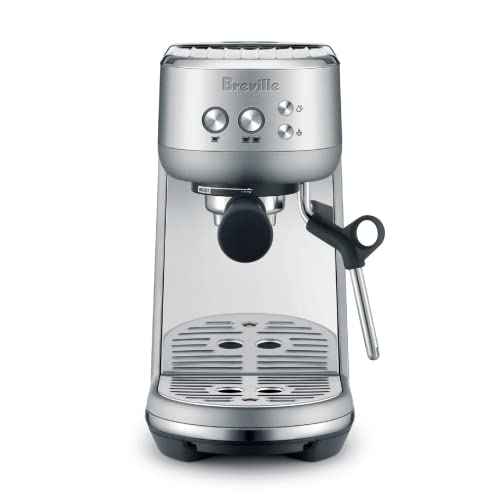
The control panel has four buttons: one cup, two cup, hot water and steam. There is no screen or pressure gauge, which keeps the routine short. Anyone in the household can learn the buttons in a minute, even if dialing in the grinder takes longer. The water tank and drip tray are user accessible, and the portafilter locks in at the front of the machine, with the steam wand to one side.
Working Clearance
Breville describes the Bambino as small and designed for compact kitchens; check the listing for exact inches before you measure your space. Leave room in front to lock in the portafilter, room to lift the water tank out, and a few inches beside it for a grinder and milk jug. Low cabinets are rarely an issue with a machine this size, but tank access still needs clearance.
Espresso Workflow and Adjustment
Verified Capabilities
The Bambino has no grinder, so you need a burr grinder that can reach a fine espresso setting, or preground espresso with the dual wall baskets. You dose 19 grams into the 54mm portafilter, tamp with the included tamper, lock it in and press one or two cups. The listing describes low pressure pre-infusion that gradually raises pressure at the start for an even extraction.
Digital PID temperature control is listed to keep brewing water at the right temperature, and ThermoJet heating reaches extraction temperature in about 3 seconds. Those two features handle the variables that most often trip up beginners, while grind and tamp remain under your control.
The one and two cup buttons are the only brewing settings. That makes the learning curve short: the skill to build is matching grind size and dose to your beans.
Results or Research-Based Assessment
We did not pull shots on this machine, so this part of our Breville Bambino review is a research based assessment, not a taste report. On paper, the espresso core matches the Bambino Plus: ThermoJet heating, PID control, pre-infusion and the same 54mm, 19 gram format. That suggests espresso results depend far more on your grinder and beans than on which Bambino you buy.
The documentation cannot establish how your shots will taste. Assisted steps are temperature control and pre-infusion; manual steps are grinding, dosing, tamping and judging the shot. Expect a few shots of adjustment whenever you open a new bag.
Practical Limitations
The grinder sets the ceiling. A grinder that cannot go fine enough will give fast, thin shots, especially with the single wall baskets. The dual wall baskets help with preground coffee, but they limit how much you can fine-tune flavor.
The controls are minimal by design. There is no shot timer, pressure gauge or adjustable brew temperature in the listing, so you learn by taste and by watching the flow. That is ideal for simple mornings and limiting for people who want to experiment with every variable.
Milk and Additional Brewing Modes
Verified Capabilities
The Bambino has a steam wand and a steam button, and it ships with a milk jug. Its listing describes an automatic steam wand that can adjust milk temperature and texture for microfoam, but much of that wording matches the Bambino Plus listing. The BES450 settings line lists only 1 or 2 cups plus hot water and steam buttons, without the milk temperature and texture levels the Plus lists.
The hot water button is a real advantage for Americano and tea drinkers, since you can top up a shot without a kettle. Supported drinks are espresso, Americano, cappuccino, latte and flat white, with milk steamed by the wand.
Results or Research-Based Assessment
Because the milk wording overlaps between the two listings, we treat the difference as an open question and state only what the listings separate: the Plus lists three temperatures, three texture levels and an automatic purge, and the BES450 does not. If hands-free, adjustable milk is the reason you are shopping, check Breville's current US product page or choose the Plus.
Alternative milks are another point to consider. Oat and almond drinks foam differently from dairy, and a manual approach lets you react as the milk stretches. Barista-style versions of plant milks generally foam more easily than standard cartons, so try a couple before deciding the wand is the problem.
In practice, plan to watch the jug and learn your own technique on the Bambino. That is a short skill to pick up for one person who makes a cappuccino now and then, and more of a burden for a household making several lattes each morning.
Practical Limitations
Milk cleanup is a daily habit: wipe the wand right after steaming and run a short burst of steam so milk does not dry in the tip. The included steam wand tip cleaning tool helps when the holes clog. Wash the jug after every use.
The listing does not mention an automatic purge after steaming, which the Plus lists. Purge the wand yourself and give the machine a moment before your next shot so it returns to brewing temperature.
Controls and Everyday Use
Customization
Customization on the machine is limited to one or two cup shots, hot water and steam. Everything else happens through your grinder and technique: grind size, dose, tamp and the beans you choose. That keeps the Bambino easy for anyone to use while leaving room to improve your coffee over time.
A few small upgrades go a long way. A kitchen scale makes your 19 gram dose repeatable, and fresh beans roasted within the past few weeks give the grinder something worth working with. These cost little compared with a more expensive machine and often improve the cup more.
A Complete Daily Routine
A typical cappuccino goes like this. Switch on, grind and dose, tamp, lock in and press the two cup button. Fill the jug with cold milk, steam it, wipe and purge the wand, and pour. Knock out the puck, rinse the basket and empty the drip tray when it fills.
For an Americano, pull the shot and add water with the hot water button. On espresso-only mornings, the routine shrinks to grinding, tamping, pulling the shot and rinsing the basket.
Multiple Servings
Fast heating helps when making drinks back to back, but each drink still needs its own grind, tamp and steam. Four cappuccinos mean four rounds of the full routine. Grind for the next shot while milk steams to save time, and keep an eye on the water level so the tank does not run low mid-session.
Breville does not list a drinks-per-hour figure, so judge capacity by your own routine. For one or two people, the pace is comfortable; for a group, expect a few minutes per drink.
Cleaning and Maintenance
After-Use Tasks
After each session, knock out the puck, rinse the portafilter and basket, and wipe the group head. Wipe and purge the steam wand right after steaming, and wash the milk jug. Empty and rinse the drip tray regularly so old coffee and milk do not build up.
These steps take a couple of minutes once they become routine. Skipping them leaves stale oils in the basket and can clog the steam wand tip, which affects taste and foam.
Periodic Cleaning and Descaling
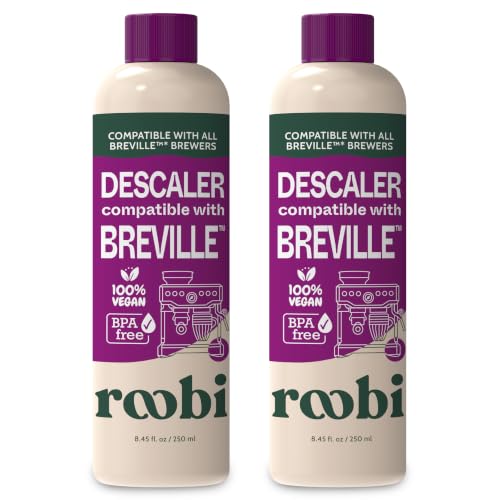
Descaling powder comes in the box, so you can start the descaling routine described in Breville's manual without buying extra supplies. After that, use a descaler approved for Breville machines, and follow the manual's schedule for your water hardness.
Keep maintenance types separate. Daily cleaning removes coffee and milk residue, while descaling removes mineral scale from the heating system. Periodic group head and basket cleaning, as your manual describes, removes coffee oils that daily rinsing misses.
Access and Service
User-serviceable parts are the water tank, drip tray, portafilter, baskets and steam wand tip. Replacement 54mm portafilters, baskets and shower screens are widely sold for this family, so wear parts are easy to replace. For pump or heating problems, contact Breville support rather than opening the housing, and keep the 1 year limited warranty in mind.
Purchase Price and Ownership Cost
The Complete Setup
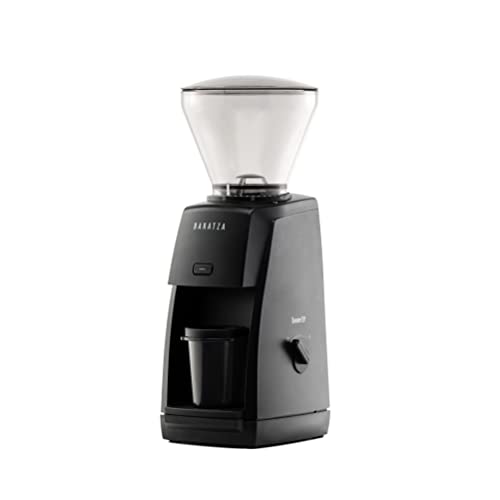
The Bambino lists at around $250, so add an espresso grinder if you do not have one. The Breville Smart Grinder Pro lists at around $160, with 60 grind settings, grind time adjustable in 0.2 second steps and a 50 to 54mm portafilter cradle, so it can grind straight into the Bambino's portafilter. The Baratza Encore ESP sells for around $200. Either brings a complete setup to roughly $410 to $450.
The box already includes a milk jug, tamper and descaling powder, which keeps first-day extras low.
Compared with the Bambino Plus at around $400, the savings can pay for most of a good grinder. That is the main financial argument for the BES450 if you do not need adjustable milk settings.
Against a capsule machine, the Bambino costs more upfront once you add a grinder, but beans usually cost less per drink than pods. Against a super automatic, it is far cheaper, at the price of doing the grinding and tamping yourself. Which trade makes sense depends on how many drinks you make and how much you enjoy the process.
Recurring Supplies
Ongoing costs are beans, milk and occasional descaler. Assume about 19 grams of beans per double shot, so a 12 oz bag makes roughly 18 doubles. Add a Breville-approved descaling solution a few times a year depending on your water, and replacement water filters if you use them. We do not estimate repair costs, since they are hard to predict.
Pros, Cons, and Alternatives
Strengths and Limitations Established Above
- Pro: fast ThermoJet heat up and PID temperature control at an entry price.
- Pro: hot water button for Americanos and tea.
- Pro: a complete accessory kit, including milk jug, tamper and descaling powder.
- Con: no listed milk temperature or texture levels, unlike the Plus.
- Con: no built-in grinder and a 1 year limited warranty.
When an Alternative Fits Better
Choose the Breville Bambino Plus if repeatable, adjustable milk is your priority; it lists three temperatures and three texture levels plus an automatic purge, with a 2 year warranty. Choose the Breville Barista Express at around $500 if you want a conical burr grinder built in. Our best Breville espresso machine guide compares the full range.
Frequently Asked Questions
Which exact version does this review cover?
This review covers the US Breville Bambino BES450 in brushed stainless (BES450BSS), rated at 1560 watts for 110 to 120 volts. It does not cover the Bambino Plus BES500 or remanufactured units. Check the model code on the listing before you buy.
What extra equipment is required?
A burr grinder that can grind fine enough for espresso is the main extra, unless you use preground coffee in the dual wall baskets. The box includes a milk jug, tamper and descaling powder. A kitchen scale and a tamping mat are helpful but optional.
What cleaning does daily use require?
Daily use means knocking out the puck, rinsing the portafilter and basket, wiping and purging the steam wand, and emptying the drip tray. It takes a few minutes. Descaling and deeper cleaning follow the schedule in Breville's manual.
Is this model worth it for my routine?
It is worth it if you drink espresso, Americanos or occasional milk drinks and want a compact machine at a low price. If you steam milk for several lattes daily, the Plus is easier to repeat. Budget for a grinder either way.
Final Verdict
This Breville Bambino review lands on a clear buyer: someone who wants fast, simple espresso and Americanos in a small space, with milk as an occasional extra. The BES450 delivers the same ThermoJet and PID core as the Plus for around $150 less, plus a hot water button. The compromise is fewer listed milk settings and a shorter warranty. Compare more machines in our best espresso machine guide, or see the best super automatic espresso machine picks if you want push-button drinks.


