
Breville Bambino Plus Review: Features, Trade-Offs, and Value
Disclosure: We may earn a commission when you buy through links on this page, at no extra cost to you. As an Amazon Associate I earn from qualifying purchases. Learn more

Our Breville Bambino Plus review covers the BES500's automatic milk, espresso workflow, cleaning and the full cost with a grinder.
This Breville Bambino Plus review answers one question: is the BES500 the right compact espresso machine for someone who wants lattes and flat whites at home without learning to steam milk by hand? The Bambino Plus is a semi-automatic portafilter machine with no built-in grinder, so the honest answer depends on your drinks, your counter and whether you already own a capable espresso grinder.
We cover the current US 110 to 120 volt model sold new on Amazon, what comes with it, how the espresso and milk workflow actually runs, what cleaning it needs and what the full setup costs. Feature claims come from Breville's listings for this exact model, and we flag where details are not documented.


Quick Verdict: Who Is Breville Bambino Plus For?
Who Should Consider It?
The Bambino Plus suits a one or two person household that drinks milk-based espresso most days and wants repeatable results with little practice. Its automatic steam wand offers adjustable milk temperature and texture, and the ThermoJet system heats in about 3 seconds, so a morning latte is quick. You need to be willing to grind, dose and tamp, and to own or buy a burr grinder suited to espresso.
Who Should Choose Another Format?
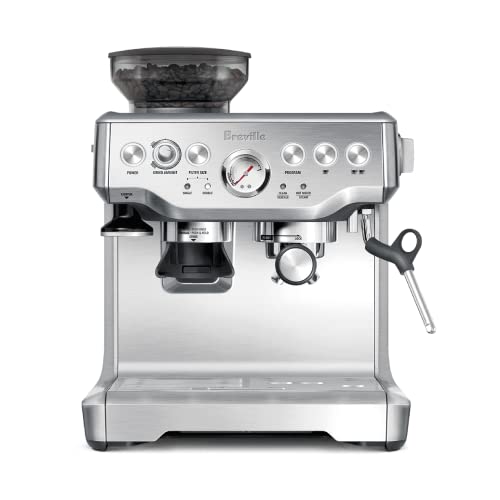
If you want beans in and coffee out at the press of a button, a super automatic machine fits better, since the Bambino Plus leaves grinding and tamping to you. Straight espresso drinkers who rarely steam milk can save money with the standard Bambino. People who want a grinder built into the same machine should look at the Breville Barista Express instead.
Version, Specifications, and What Is Included
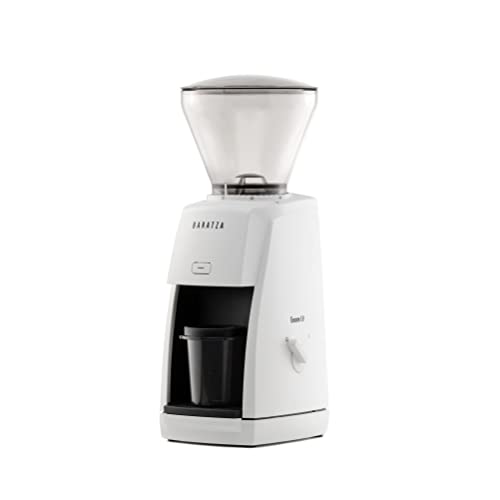
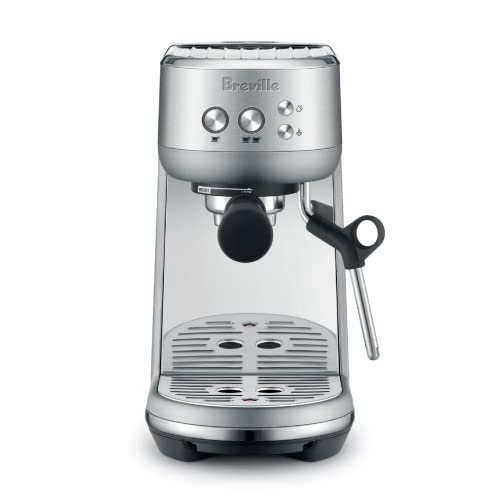
This review covers the Breville Bambino Plus BES500, the US model rated at 1560 watts for 110 to 120 volts. The brushed stainless version is BES500BSS, and the same machine is sold in colors such as Black Truffle (BES500BTR), Damson Blue (BES500DBL) and Black Stainless (BES500BST). Breville also sells it bundled with a Baratza Encore ESP grinder under the code BEP501BTR1BNA1.
| Specification | Breville Bambino Plus (BES500) |
|---|---|
| Machine type | Semi-automatic espresso, portafilter |
| Supported drinks | Espresso (1 or 2 cups), plus milk drinks via the steam wand |
| Grinder | None built in; external espresso grinder required |
| Portafilter | 54mm, single and dual wall filter baskets |
| Dose | 19 grams on the BES500 listing; 18 grams on the bundle listing |
| Heating | ThermoJet, extraction temperature in about 3 seconds; PID temperature control |
| Extraction | Low pressure pre-infusion, then 9 bar extraction from a 15 bar pump |
| Milk | Automatic steam wand, 3 temperatures and 3 texture levels, or manual texturing |
| Width | 7.7 inches |
| Water tank | 64 fl oz on one color listing; confirm on yours |
| Warranty | 2 year limited |
| Price | Around $400 (machine only) |
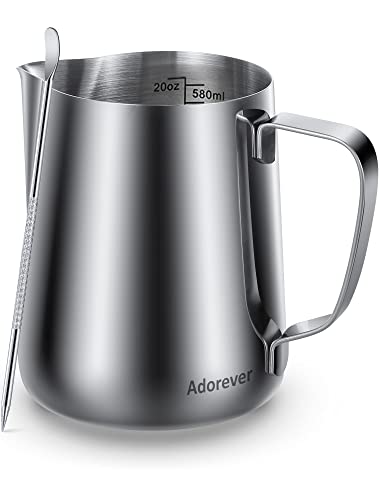
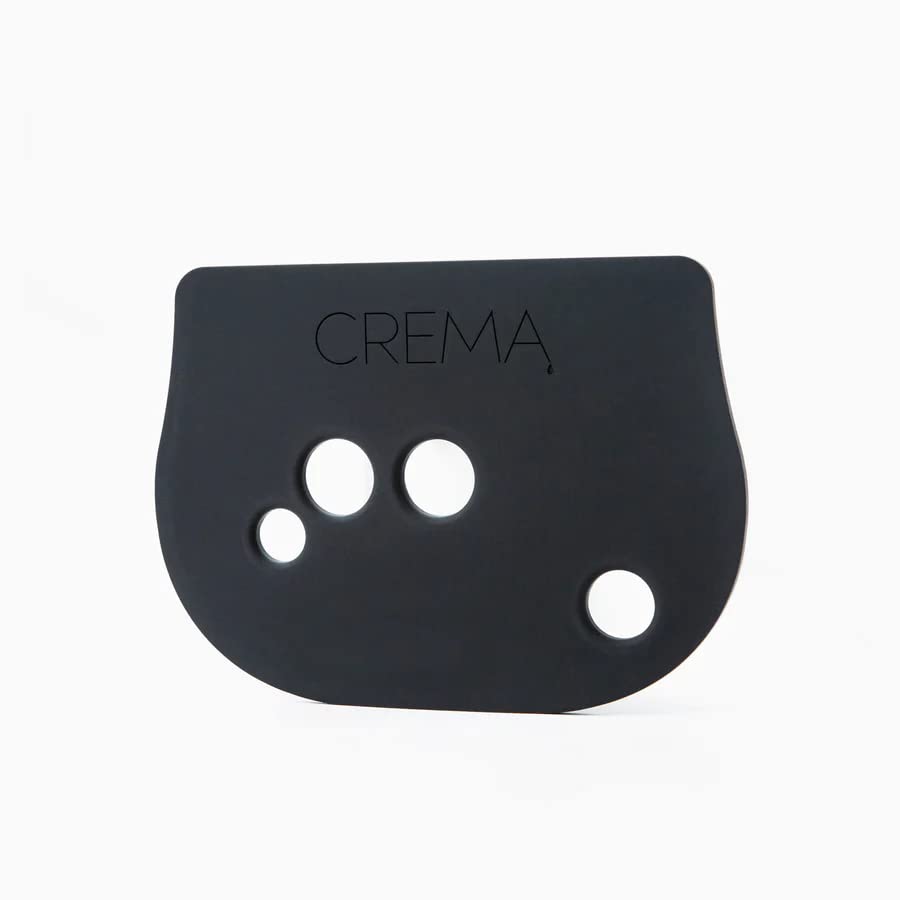
The bundle listing names the 54mm stainless portafilter with dual and single wall filters, and a 54mm dosing cup with the grinder bundle. A milk jug and tamper are typical for this family, but check the "in the box" section of your exact listing before you order extras. Optional equipment you will likely need is an espresso grinder, a descaler, and a tamping mat if you want to protect your counter.
Avoid mixing versions when you compare prices. Remanufactured BES500 units appear on Amazon at a lower price, and the standard Bambino (BES450) looks similar but has different milk controls and a shorter warranty. Everything in this review refers to the new BES500.

Setup and Kitchen Fit
Initial Setup
Start with Breville's manual for first use, which covers rinsing the tank, filling it with fresh water and running water through the group head and steam wand before your first shot. Breville also partners with BILT for a step-by-step 3D setup guide in a free app, according to the bundle listing. Then grind about 18 to 19 grams into the 54mm portafilter, as the listings describe.
For your first few shots, the dual wall basket is the forgiving choice while you learn, especially with preground coffee. Once your grinder is dialed in, switch to the single wall basket for more control over flavor.
Controls and Access
The controls are a short row of buttons: one cup, two cup and steam, with settings to adjust milk temperature and texture. The water tank and drip tray are accessible from the machine body, and the portafilter locks in at the front. There is no pressure gauge or display, so the routine stays simple.
Working Clearance
At 7.7 inches wide, the Bambino Plus fits between other appliances on most counters. Allow room in front to lock in the portafilter and room above or behind to lift out the water tank for refilling. Leave a few inches beside it for a milk jug and your grinder, since you will use them together every morning.
Espresso Workflow and Adjustment
Verified Capabilities
The Bambino Plus does not grind, so you need a separate burr grinder that can reach a fine espresso setting. You dose the ground coffee into the 54mm portafilter, tamp it, lock it in and press the one or two cup button. The listing describes low pressure pre-infusion that gradually increases pressure at the start, followed by 9 bar extraction delivered by a 15 bar Italian pump.
Digital PID temperature control is listed to deliver water at a steady temperature, and the ThermoJet system reaches extraction temperature in about 3 seconds. The machine handles water temperature and pressure, while grind size, dose and tamp are yours to manage.
The two shot buttons are the only brewing controls. That keeps the learning curve short, since the main skill is matching grind size to the beans until shots run at a steady pace.
Results or Research-Based Assessment
We did not pull shots on this machine, so this part of our Breville Bambino Plus review is a research based assessment rather than a taste report. The documented features point to a machine built for consistency: steady temperature control, gentle pre-infusion and a fast heat up remove several variables that trip up beginners on cheaper machines.
What the documentation cannot establish is how your shots will taste, since that depends mostly on beans, grind and tamping. Assisted steps here are temperature and pre-infusion; manual steps are grinding, dosing, tamping and timing your shots by eye. Expect a few shots of adjustment every time you open a new bag of beans.
Practical Limitations
Your grinder sets the ceiling. A blade grinder or a burr grinder that cannot go fine enough will produce fast, sour shots no matter how good the machine is. The single wall baskets reward a proper espresso grinder, while the dual wall baskets are more forgiving with preground coffee.
The controls are also minimal. There is no shot timer, pressure gauge or adjustable brew temperature listed, so you learn by taste and by watching the flow. If you want to experiment with every variable, a more advanced machine fits better; if you want simple buttons, this is a strength.
Milk and Additional Brewing Modes
Verified Capabilities
Milk is where the Bambino Plus stands out. The BES500 listing describes an automatic steam wand that lets you adjust milk temperature and texture, and the bundle listing specifies three milk temperatures and three texture levels under the name Auto MilQ. You can also texture milk manually, holding the jug as a barista would.
After steaming, the machine automatically purges the heating system, so your next espresso starts at the right temperature. Drinks supported are espresso-based: espresso, Americano with water from a kettle, cappuccino, latte and flat white. The listings do not describe a hot water button.
Results or Research-Based Assessment
Based on the documentation, the hands-free mode is the main reason to pay more than the standard Bambino. You set a temperature and texture, rest the jug on the drip tray and let the wand work, which makes results repeatable for everyone in the household. That suits people who want a latte before work without practicing.
We are careful not to copy features from other Breville models, such as the Touch or Pro. The documentation does not establish foam quality for alternative milks, so oat or almond drinks may need different settings from dairy. Treat the presets as a starting point and adjust from there.
Practical Limitations
Milk cleanup is a daily task. Wipe the steam wand right after each use and purge it, since dried milk is harder to remove later and can block the tip. A milk jug of the right size helps the automatic mode work properly, so check what your listing includes.
The lack of a listed hot water function matters for Americano and tea drinkers, who will need a kettle. If you mostly drink black coffee, the milk features add cost without much benefit, and the standard Bambino, which lists a hot water button, may fit better.
Controls and Everyday Use
Customization
The documented settings are one or two cup shot buttons, adjustable milk temperature and adjustable texture level. Beyond that, customization happens outside the machine: you change grind size, dose and the beans themselves. This keeps the machine easy for anyone in the house to use while leaving room to fine-tune taste through your grinder.
A Complete Daily Routine
A typical latte looks like this. Turn the machine on, grind and dose your coffee, tamp, lock in the portafilter and press the two cup button. Pour cold milk into the jug, set the temperature and texture, steam, then wipe and purge the wand. Knock out the puck, rinse the portafilter and empty the drip tray when needed.
Multiple Servings
The fast heat up and auto purge help when making drinks back to back, since the machine is ready again quickly after steaming. Each drink still needs its own grind, tamp and steam, so making four lattes takes four rounds. Refill the water tank as the level drops, and plan more time when guests are over.
One practical tip is to grind for the next drink while the first one is steaming, since the grinder and machine work independently. Keeping a second portafilter basket or a dosing cup ready also speeds up a run of drinks. Breville does not list a cups-per-hour figure, so judge capacity by your own routine rather than a number.
Cleaning and Maintenance
After-Use Tasks
After each session, knock out the used coffee puck, rinse the portafilter and basket, and wipe the group head. Wipe the steam wand immediately after steaming and run a short purge so milk does not dry inside the tip. Empty and rinse the drip tray regularly, and wash the milk jug after every use.
These steps take a couple of minutes once they become habit. Skipping them leads to stale coffee oils in the basket and blocked steam holes, which affect taste and milk texture.
Periodic Cleaning and Descaling
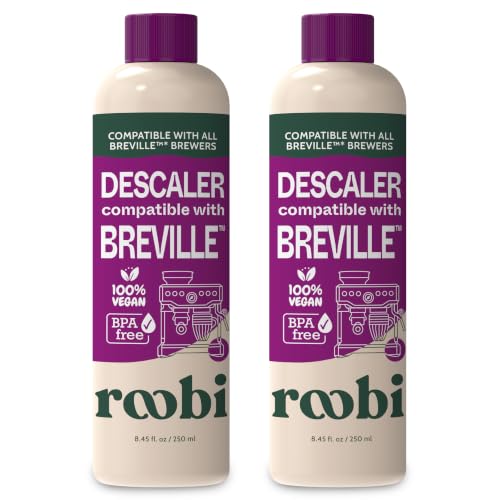
Descale on the schedule in Breville's manual, adjusting for your water hardness, and use a descaler that is approved for Breville machines. Periodic cleaning of the group head and filter baskets with the method your manual describes keeps oils from building up.
Keep the types of maintenance separate. Daily cleaning handles coffee and milk residue, while descaling removes mineral scale from the heating system. Neither replaces the other, and using the wrong product can damage seals or leave residues.
Access and Service
User-serviceable parts include the water tank, drip tray, portafilter, filter baskets and steam wand tip. Replacement 54mm portafilters and baskets are widely sold for this family, which makes wear parts easy to replace. For anything inside the housing, such as heating or pump issues, contact Breville support rather than opening the machine, and keep the 2 year limited warranty in mind.
Purchase Price and Ownership Cost
The Complete Setup
The Bambino Plus machine lists at around $400. If you do not already own an espresso grinder, add one: the Baratza Encore ESP sells for around $200 on its own, and Breville's bundle with the Encore ESP lists at around $550, which is less than buying both separately at those prices. A tamping mat and a milk pitcher, if not included, add a little more.
Recurring Supplies
Ongoing costs are mostly coffee beans and milk. Assume a double shot uses about 18 to 19 grams of beans, so a 12 oz bag lasts roughly 18 doubles. Add a descaling solution a few times a year depending on your water, and cleaning supplies for the group head as your manual directs.
Compared with a pod machine, the cost per drink is usually lower once the grinder is paid for, because beans cost less per serving than capsules. Compared with a super automatic, the upfront cost is lower, but you trade some convenience for that saving. Repair costs are hard to predict, so we do not estimate them; the 2 year limited warranty covers the early period.
Pros, Cons, and Alternatives
Strengths and Limitations Established Above
- Pro: hands-free milk with three temperatures and three texture levels, plus a manual option.
- Pro: fast ThermoJet heat up and PID temperature control for steady shots.
- Pro: compact 7.7 inch width and a 2 year limited warranty.
- Con: no built-in grinder, so the full setup costs more than the machine price suggests.
- Con: no hot water function listed, which matters for Americano and tea drinkers.
When an Alternative Fits Better
If you drink mostly straight espresso, the standard Breville Bambino at around $250 shares the ThermoJet and PID core and lists a hot water button. If you want the grinder built in, the Breville Barista Express at around $500 includes a conical burr grinder and a manual steam wand. Our best Breville espresso machine guide compares the wider lineup.
Frequently Asked Questions
Which exact version does this review cover?
This review covers the US Breville Bambino Plus BES500, rated at 1560 watts for 110 to 120 volts. The color versions (BES500BSS, BES500BTR, BES500DBL, BES500BST) share the same machine. Remanufactured units are sold too, but this review is about new machines.
What extra equipment is required?
An espresso-capable burr grinder is the one essential extra, unless you use preground coffee with the dual wall baskets. A milk jug, tamper and descaler are also needed, so check which are included with your listing. A kitchen scale helps you dose consistently.
What cleaning does daily use require?
Daily use requires knocking out the puck, rinsing the portafilter and basket, wiping and purging the steam wand, and emptying the drip tray. These take a few minutes. Descaling and deeper cleaning follow the schedule in Breville's manual.
Is this model worth it for my routine?
It is worth it if you make milk drinks most days and want repeatable results without learning manual steaming. If you mostly drink espresso or Americanos, the cheaper Bambino or a machine with a hot water button may serve you better. Factor in a grinder before deciding.
Final Verdict
This Breville Bambino Plus review comes down to milk. For a small household that wants lattes and flat whites with little practice, the BES500 is a strong choice, pairing hands-free texturing with fast heat up in a 7.7 inch wide body. The main compromise is the extra cost of a grinder, so budget for one or choose the Encore ESP bundle. If you want a broader view, see our best espresso machine guide or, for push-button drinks, the best super automatic espresso machine roundup.


