
Breville vs Gaggia: Which Should You Choose?
Disclosure: We may earn a commission when you buy through links on this page, at no extra cost to you. As an Amazon Associate I earn from qualifying purchases. Learn more

Breville vs Gaggia: the Infuser and Classic Evo Pro compared head to head, plus how each brand's grinder and super automatic models fit.
The Breville vs Gaggia choice is really a choice between two styles of home espresso: Breville's feature-rich machines with digital temperature control and guidance, and Gaggia's simpler, commercial-style designs, plus a range of Gaggia super automatics. This comparison pairs two semi-automatic machines without built-in grinders at a similar price, the Breville Infuser BES840XL and the Gaggia Classic Evo Pro RI9380/51, then explains how each brand's other machine classes fit.
If you want a quick answer, the verdict below sorts buyers by routine. If you want detail, the table and the sections on extraction, milk, care and cost show what each machine adds and what it leaves to you.


Quick Verdict
Choose Breville If…
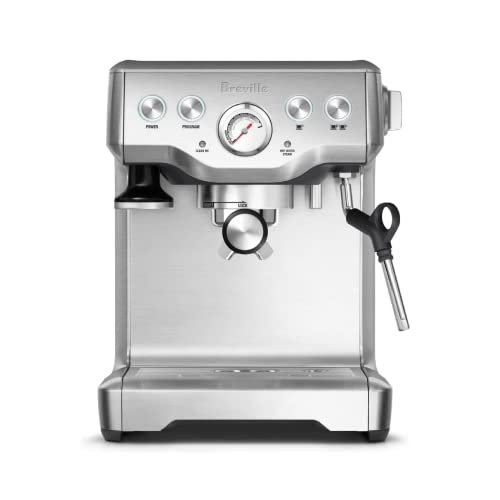
Choose Breville if you want help getting consistent shots: the Infuser adds PID temperature control adjustable in 2°F steps, a pressure gauge, low pressure pre-infusion, volumetric shot buttons and an automatic purge after steaming. It suits beginners and tinkerers who like feedback. The compromise is a 1 year limited warranty on this model and a higher machine price.
Choose Gaggia If…
Choose Gaggia if you want a simple, solid steel machine built around commercial-style parts: a 58mm stainless portafilter, a three-way solenoid valve and a commercial steam wand. The Classic Evo Pro suits people who prefer fewer electronics and will learn by taste. If you want one-touch drinks instead, Gaggia also sells super automatics. The compromise is less built-in guidance, since its listing does not mention PID or a pressure gauge.
Scope and Side-by-Side Table
This comparison covers the Breville BES840XL Infuser in brushed stainless and the Gaggia RI9380/51 Classic Evo Pro in industrial grey, both current US models sold new on Amazon US. Both are manual-style semi-automatics with no grinder, so a fair setup includes an espresso grinder for each. The pairing matches class and budget; automation differs, with the Breville carrying more electronic aids.
| Feature | Breville Infuser BES840XL | Gaggia Classic Evo Pro RI9380/51 |
|---|---|---|
| Machine class | Semi-automatic, no grinder | Semi-automatic, no grinder |
| Portafilter | See listing (single and dual wall baskets included) | 58mm stainless commercial portafilter |
| Temperature control | PID, adjustable in 2°F increments | Not listed |
| Extraction aids | Low pressure pre-infusion, pressure gauge | 9 bar extractions, three-way solenoid valve |
| Shot control | 1 or 2 shot volumetric, manual override | Manual |
| Milk | Manual steam wand, 1650W element, auto purge | Commercial steam wand |
| Water tank | 61 oz | See listing |
| Build | Brushed stainless | Solid steel housing, made in Italy |
| Warranty | 1 year limited | See listing |
| Grinder needed | Yes | Yes |
| Machine price | Around $600 | Around $530 |
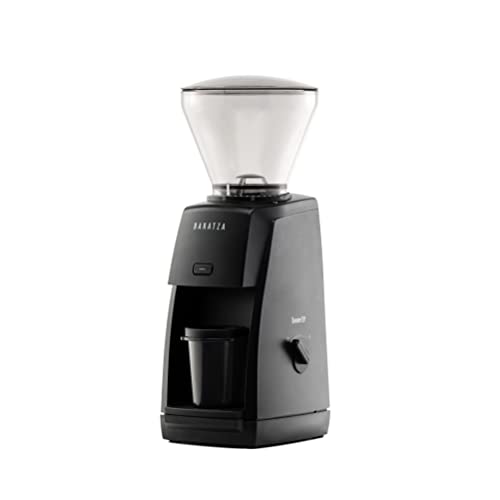
Both need an espresso-capable grinder, such as the Baratza Encore ESP listed in the product table, plus a milk jug for the Gaggia if one is not included.
The grinder matters as much as the machine in this class. Espresso needs a fine, consistent grind with small adjustment steps, which is why we pair both machines with a grinder that offers dedicated espresso settings. A blade grinder or a grinder made only for drip coffee will hold back either machine, whichever brand you choose.
How We Compared These Options
We compared the two machines using current Amazon US listings, manufacturer specifications and box contents, and built comparable complete setups by adding the same grinder to each. Where listings leave a specification out, we say so instead of filling the gap.
We read buyer feedback in aggregate for patterns in ease of use, learning curve and maintenance, and kept verified features apart from our own judgments. No brewing trials of our own were done, so this Breville vs Gaggia comparison makes no flavor or reliability claims beyond what specifications and owner feedback support.
Coffee Preparation and Adjustment
What Each Option Supports
The Breville Infuser offers low pressure pre-infusion, digital PID temperature control adjustable in 2°F increments, a pressure gauge to guide extraction, and volumetric 1 or 2 shot buttons with manual override. The Gaggia Classic Evo Pro lists 9 bar espresso extractions, a stainless 58mm commercial portafilter and a commercial three-way solenoid valve, which releases pressure after the shot. Neither grinds beans, so grind quality depends on your grinder.
What Changes in Everyday Use
On both machines you grind, dose, tamp, lock in and brew. The Breville then stops the shot at your set volume and shows pressure on the gauge, which helps you diagnose a shot that ran too fast or slow. On the Gaggia you start and stop the shot yourself and judge it by time and taste. The Gaggia's three-way solenoid valve releases pressure from the group after the shot, a feature borrowed from commercial machines.
Who Benefits from the Difference
Feature names are not measured superiority, and a commercial-size portafilter does not guarantee better coffee on its own. Beginners who want feedback benefit from the Breville's gauge, PID and volumetric control. People who enjoy a mechanical, minimal machine and plan to learn by taste may prefer the Gaggia's simpler design.
Think about how you learn best. Some people like numbers and indicators to tell them what changed between two shots, which the Breville's gauge and set temperature provide. Others prefer to taste, adjust the grind a notch and taste again, which works on either machine but is the whole method on the Gaggia. Neither approach is wrong, and both lead to good espresso with practice and fresh beans.
Milk and Drink Options
What Each Option Supports
The Breville Infuser has a manual steam wand powered by a 1650W element and an auto purge that resets the heating system after steaming, so the next shot extracts at the right temperature. A stainless jug is included. The Gaggia Classic Evo Pro has a commercial steam wand. Both make espresso, Americanos, cappuccinos and lattes with manual technique; neither has automatic milk.
What Changes in Everyday Use
Count useful drinks rather than features. Both machines make the same drink types, and both ask you to texture milk by hand. The Breville's auto purge removes one step between steaming and the next shot. The Gaggia's listing does not mention an auto purge, so follow its manual for moving between steaming and brewing.
Who Benefits from the Difference
Neither machine offers cold extraction; iced espresso drinks are hot shots poured over ice. If you make several milk drinks in a row, the Breville's auto purge helps the workflow. If you mostly drink straight espresso or one cappuccino, the difference matters less, and the Gaggia's simpler layout may appeal.
Milk technique is the same skill on both machines: position the tip just below the surface to add air, then lower it to spin the milk until the jug feels hot. A commercial-style wand and a 1650W element both aim at strong steam, but your practice will matter more than either. Start with cold milk and a jug sized for one or two drinks.
Daily Use and Maintenance
What Each Option Supports
The Breville includes single and dual wall baskets, a coffee scoop, stainless jug, cleaning disc and tablets, a cleaning tool and a water filter with holder, and it has a 61 oz tank. The Gaggia's listing focuses on its steel housing, portafilter, solenoid valve and steam wand; check the listing for its included accessories and tank size before buying.
What Changes in Everyday Use
Daily care is similar: knock out the puck, rinse the basket and portafilter, purge and wipe the steam wand, and empty the drip tray. Breville supplies a cleaning disc and tablets for backflush-style cleaning cycles. Both need periodic descaling with a solution the manual approves, and the Breville's water filter needs replacing on schedule.
Who Benefits from the Difference
We do not claim either lasts longer, since that needs long-term data. The Breville arrives with a more complete cleaning kit, which helps beginners start good habits. The Gaggia lists fewer electronic aids, but follow its manual for cleaning and descaling rather than general advice.
Water quality affects both machines. Hard water leaves scale inside boilers and heating systems over time, so use the Breville's water filter, and consider filtered water for the Gaggia if your tap water is hard. Check each manual for the recommended descaling interval, which usually depends on water hardness and how often you brew.
Complete Price and Value
What Each Option Supports
At the time of checking, the Breville Infuser sold for around $600 and the Gaggia Classic Evo Pro for around $530, both new on Amazon US. Adding an espresso grinder such as the Baratza Encore ESP, at around $200, brings both complete setups to roughly $730 to $800.
What Changes in Everyday Use
The complete setup for either includes the machine, a grinder, a tamper if one is not included, a milk jug, a knock box and a scale if you want to weigh doses, plus beans, cleaning tablets and descaler. The Breville includes more of these accessories in the box, which narrows the price gap.
Recurring costs are similar once you own either machine: fresh beans, milk if you drink lattes, cleaning tablets and descaler. The Breville adds replacement water filters. Gaggia sells its own water filters for many of its machines, so check whether the Classic Evo Pro listing includes or recommends one.
Who Benefits from the Difference
Both brands sell through US channels; check the warranty on each listing, since the Breville Infuser carries a 1 year limited warranty. If built-in guidance and included accessories matter, the Breville's higher price buys them. If you value a commercial-style portafilter and simple construction, the Gaggia saves money up front.
Representative Products and Pairing Limits
A Verified Pair at a Relevant Price Level
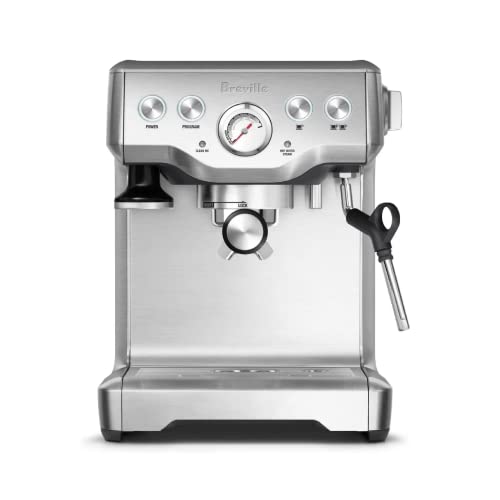
The Breville Infuser BES840XL offers PID temperature control adjustable in 2°F steps, low pressure pre-infusion, a pressure gauge, volumetric 1 or 2 shot control with manual override, auto purge after steaming, a 1650W steam element and a 61 oz tank, with a generous accessory kit. Its key differences are guidance and automation aids; its limitation is the 1 year warranty and the higher price.
The Gaggia Classic Evo Pro RI9380/51 offers a solid steel housing made in Italy, 9 bar extractions, a stainless 58mm commercial portafilter, a commercial three-way solenoid valve and a commercial steam wand. Its key differences are commercial-style parts and simplicity; its limitation is less documented guidance, with no PID or gauge mentioned in its listing.

What the Pair Does Not Prove
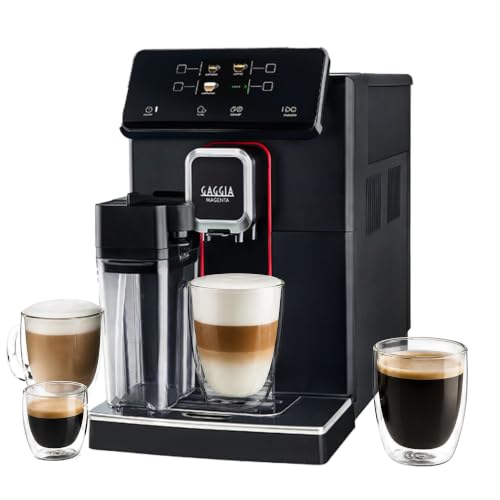
One pair cannot settle the brand question. Breville's range leans toward machines with built-in grinders and assisted steps, such as the Barista Express Impress with intelligent dosing and assisted tamping. Gaggia's range includes super automatics such as the Magenta Prestige, which offers one-touch milk drinks and a customizable menu. Comparing a Breville semi-automatic with a Gaggia super automatic would mix different levels of automation.
Use this pair to judge the manual espresso experience, then compare other models by class: semi-automatic against semi-automatic, built-in grinder against built-in grinder, super automatic against super automatic. For Breville's full lineup, see our guide to the best Breville espresso machine.
Breville vs Gaggia: Which Should You Choose?
For Convenience-First Buyers
If convenience means one-touch drinks, neither paired machine fits; look at a Gaggia super automatic or our guide to the best super automatic espresso machine. Within manual machines, the Breville's volumetric buttons and auto purge make the routine a little easier. Breville's machines with built-in grinders, such as the Barista Express Impress, go further by dosing and assisting the tamp, which removes two of the hardest steps for a new owner.
For Buyers Seeking Control or Different Drinks
For guided control, the Breville's PID, pressure gauge and pre-infusion give feedback while you learn. For a simple machine with commercial-style parts that you control by hand, the Gaggia fits. Both make the same espresso and milk drinks; choose by how you like to learn. Our guide to the best espresso machine covers other options.
For Budget and Space Constraints
The Gaggia is cheaper up front, but both need a grinder, so compare complete setups. The Breville includes more accessories, which narrows the gap. Measure your counter for the machine plus a grinder, and leave room in front to lock in the portafilter and steam milk. A knock box and a tamping mat take a little more space, so plan an espresso corner rather than a single spot for the machine alone.
Frequently Asked Questions
Are these options the same type of machine?
Yes, the paired Breville Infuser and Gaggia Classic Evo Pro are both semi-automatic espresso machines without built-in grinders. The brands' other machines differ: Breville sells many models with integrated grinders and assisted tamping, while Gaggia also sells super automatics that grind and brew internally.
Which is easier to use and maintain?
The Breville is easier for beginners thanks to PID temperature control, a pressure gauge, volumetric shots and auto purge, and it includes a cleaning kit. The Gaggia is simpler mechanically but offers less guidance. Daily cleaning is similar for both, and descaling follows each manual.
What accessories or coffee formats do they require?
Both require an espresso-capable grinder or pre-ground espresso, plus beans, a milk jug, a knock box and cleaning supplies. The Breville includes a jug, cleaning disc, tablets and water filter. Neither takes pods or capsules; both use ground coffee in a portafilter.
Which offers better value for my routine?
For a beginner who wants feedback and a fuller box, the Breville offers better value despite its higher price. For someone who wants a simple, commercial-style machine and is happy to learn by taste, the Gaggia offers more for less up front. Both need a grinder in the budget, and that shared cost often matters more than the gap between the two machines. Price the grinder you would really buy before you decide, since it sets the quality ceiling for either setup.
Final Verdict
In the Breville vs Gaggia matchup, choose the Breville Infuser if you want PID control, a pressure gauge and volumetric shots to guide your learning, and choose the Gaggia Classic Evo Pro if you want simple, commercial-style hardware and a lower machine price. If you want one-touch drinks, compare super automatics instead, starting with our guide to the best Breville espresso machine for Breville's assisted models.


