
Coffee Maker With Grinder vs Separate Grinder: Which Should You Choose?
Disclosure: We may earn a commission when you buy through links on this page, at no extra cost to you. As an Amazon Associate I earn from qualifying purchases. Learn more

Coffee maker with grinder vs separate grinder: one appliance and a timer, or more control and independent upgrades.
The coffee maker with grinder vs separate grinder question is really about workflow: do you want one appliance that grinds beans and brews in one step, or two appliances that each do their job and can be replaced on their own? Both routes give you freshly ground coffee in a drip brewer. This comparison looks at grind and brew drip machines sold new on Amazon US against a standalone burr grinder paired with a regular coffee maker, and explains where each route wins.
The quick verdict below gives the short answer. The sections after it cover grind quality, counter space, cleaning, upgrades and the complete cost of each setup, using real products so the trade-offs are concrete.


Quick Verdict
Choose Coffee Maker With Grinder If…
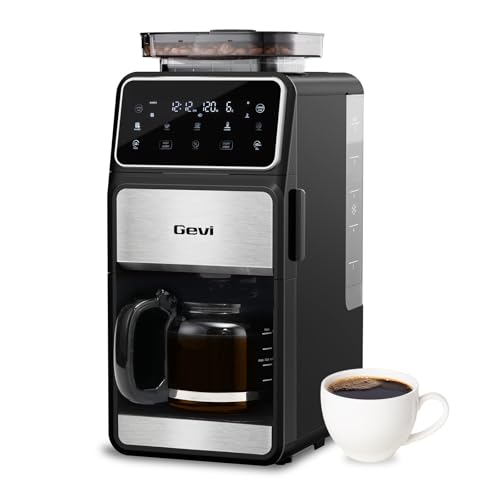
Choose a grind and brew coffee maker if convenience and counter space matter most. You add whole beans and water, press a button (or set a timer on models that have one), and the machine grinds right before brewing. Models such as the Gevi 10-Cup Grind and Brew use a built-in burr grinder. The compromise is flexibility: the grinder is tied to one brewer, and more parts sit in the path of hot, steamy air.
Choose Separate Grinder If…
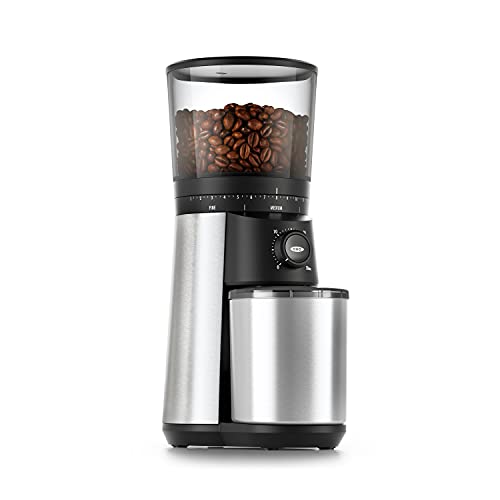
Choose a separate grinder if you want more control over grind size, plan to brew in more than one way, or want to upgrade the brewer later without replacing the grinder. A burr grinder such as the OXO Brew Conical Burr Grinder pairs with any coffee maker, French press or pour over. The compromise is an extra appliance on the counter and an extra step every morning.
Scope and Side-by-Side Table
This comparison covers automatic drip machines with a built-in grinder (grind and brew models) versus a standalone electric burr grinder used with a separate drip coffee maker. Espresso machines with grinders and super automatic machines are a different category and are left out. Prices are rounded and change often; confirm them in the product table above.
| Factor | Coffee maker with grinder | Separate grinder plus coffee maker |
|---|---|---|
| Example | Gevi 10-Cup Grind and Brew (burr) | OXO Brew Conical Burr Grinder plus Bonavita 8 Cup BV1901TS |
| Preparation steps | Add beans and water, start or set timer | Grind, transfer grounds to the filter, add water, brew |
| Grinder type | Burr on the Gevi; blade on some models such as the Cuisinart DGB-400 | 40mm conical burrs, 15 settings plus 43 micro-adjustments (OXO) |
| Brew methods supported | That machine only | Any brewer: drip, French press, pour over, cold brew |
| Timer with fresh grinding | On models with a delay timer, grinds at brew time | No, grounds sit in the basket if set the night before |
| Counter space | One appliance (Gevi: 10.7 x 7.9 x 17.8 inches) | Two appliances |
| Upgrade path | Replace the whole machine | Replace grinder or brewer independently |
| Typical cost | Around $120 to $160 | Around $100 grinder plus brewer price |
Two terms help here. A burr grinder crushes beans between two abrasive surfaces set a chosen distance apart, which gives more even particles; a blade grinder spins a blade and chops, so the result depends on how long it runs. Both routes can use either type, so the comparison below is about built-in versus standalone, with grinder type noted wherever it changes the answer.
How We Compared These Options
We compared manufacturer specifications and current Amazon US listings for grind and brew machines and for standalone burr grinders, then built comparable complete setups: one grind and brew machine against one grinder plus one drip brewer. Package contents, filters and cleaning needs were checked for each, and buyer feedback was read in aggregate for recurring themes such as clogging, noise and ease of cleaning.
We did not run side by side brewing trials, so this comparison makes no claims about which setup tastes better in a specific cup. Where a statement comes from a listing, we say so; where it is a judgment about routine or value, we label it that way. A brand's technology name is not treated as proof of better results.
Grind Quality and Adjustment
What Each Option Supports
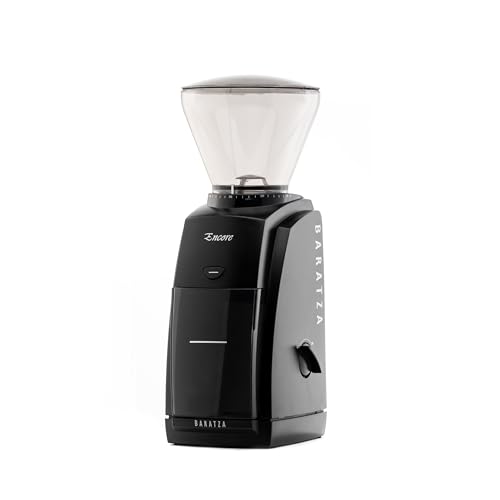
Grinder type matters more than whether it is built in. The Gevi 10-Cup Grind and Brew uses a built-in burr grinder, while the Cuisinart DGB-400 uses a blade grinder that chops beans right before brewing and offers a grind-off option for pre-ground coffee. Standalone grinders usually offer more adjustment: the OXO Brew Conical Burr Grinder has 40mm stainless steel conical burrs with 15 settings and 43 micro-adjustments, and the Baratza Encore has 40 settings on 40mm conical burrs.
What Changes in Everyday Use
With a grind and brew machine, you rarely touch the grind; you set it once and the machine handles it with each brew. With a separate grinder, you choose a setting, grind, then pour the grounds into the brewer. If you switch beans or brew methods, a standalone grinder lets you change the setting precisely, from fine to coarse, without affecting anything else.
Who Benefits from the Difference
If you brew the same drip coffee every day, a burr grind and brew machine covers your needs. If you like to experiment, or you also use a French press or pour over, a separate burr grinder serves you better. Avoid treating any grinder name as measured superiority; the practical question is burr versus blade and how much adjustment you will use.
One more point favors burrs either way: blade grinders produce a mix of fine and coarse particles that is harder to control. If you choose a grind and brew machine, check whether its grinder is burr or blade before buying, because the listing usually states it in the title or the first feature line.
Space and Workflow
What Each Option Supports
A grind and brew machine combines both jobs in one footprint. The Gevi, for example, lists dimensions of 10.7 inches deep, 7.9 inches wide and 17.8 inches tall, plus a touchscreen, adjustable brewing from 4 to 10 cups and a keep warm plate adjustable from 60 to 240 minutes. A separate setup needs space for a grinder with a 12 oz hopper, in the OXO's case, beside a brewer.
What Changes in Everyday Use
The biggest workflow difference is timed brewing. A grind and brew machine with a delay timer can grind the beans when the timer starts, so coffee is fresh at 6 a.m. without grinding the night before. With a separate grinder you either grind in the morning, which adds a minute and some noise, or grind at night and let grounds sit in the basket, which gives up some freshness.
Who Benefits from the Difference
Early risers who rely on a timer and want freshly ground coffee waiting benefit most from a grind and brew machine. People who brew on demand, or who share the kitchen with light sleepers and prefer to grind at a convenient time, are fine with a separate grinder. Small kitchens favor one appliance; larger counters can fit both.
Measure height as well as width. Grind and brew machines are often tall because the hopper sits above the brewing basket, so check the clearance under your cabinets with the lid open before buying.
Upgrade and Maintenance Paths
What Each Option Supports
A separate grinder and brewer can be upgraded independently. If your brewer fails or you want a thermal carafe later, you keep the grinder; if you want a better grinder, you keep the brewer. A grind and brew machine is one unit, so a problem with either half affects the whole machine. Baratza notes its Encore is backed by a 1 year warranty and its support team, according to the listing.
What Changes in Everyday Use
Cleaning differs too. A grind and brew machine has a grinder chamber near the brewing area, where steam and coffee oils can build up, so it needs regular brushing as the manual directs. A standalone grinder needs its hopper and burrs brushed occasionally, and the brewer needs its usual rinse and descale. Both routes need paper filters or a permanent filter.
Moisture is the enemy of any grinder. On a grind and brew machine, let the lid area dry after brewing if the manual allows and keep the bean hopper closed. On a standalone grinder, keep it away from the kettle and coffee maker steam, and never wash burrs with water unless the manual says they are washable.
Who Benefits from the Difference
If you value being able to replace one part at a time, choose separate appliances. If you prefer a single appliance and do not mind replacing it as a whole one day, a grind and brew machine is simpler. We make no claim about which lasts longer; the listings do not provide lifespan data.
Complete Cost
What Each Option Supports
On the same day, the Gevi 10-Cup Grind and Brew with a burr grinder sold new for around $160 and the Cuisinart DGB-400 with a blade grinder for around $120. On the separate route, the OXO Brew Conical Burr Grinder was around $100 and the Baratza Encore around $150; add any drip coffee maker, from around $35 for a basic 12 cup machine to around $190 for the SCA certified Bonavita BV1901TS.
What Changes in Everyday Use
Both routes use whole beans, filters and occasional descaler. A grind and brew machine may include a permanent filter, as the Cuisinart DGB-400 does with its gold-tone filter and charcoal water filter. A separate grinder costs nothing extra to run beyond electricity, but you buy two machines up front.
Beans are the biggest running cost on both routes, and buying whole beans instead of pods or pre-ground coffee is often where the savings appear. Whichever setup you choose, buy beans in amounts you finish within a few weeks and store them sealed, since a hopper is not airtight storage.
Who Benefits from the Difference
On a tight budget, a burr grind and brew machine usually costs less than a good grinder plus a good brewer. If you already own a coffee maker you like, adding a separate grinder at around $100 is the cheapest way to get freshly ground coffee. Buy from a reputable seller and check US support for both routes.
Think about the long run as well. A good burr grinder often outlives several brewers, so spreading the cost over many years can make the separate route the better value, while a grind and brew machine keeps the upfront spend lower and the counter simpler.
Representative Products and Pairing Limits
A Verified Pair at a Relevant Price Level
The Gevi 10-Cup Grind and Brew stands out for its built-in burr grinder, touchscreen and adjustable 4 to 10 cup brewing; its limitation is that the grinder and brewer cannot be upgraded separately. The OXO Brew Conical Burr Grinder stands out for 15 settings with 43 micro-adjustments and a hopper that remembers your last setting; its limitation is the extra counter space and step.
To complete the separate route with a quality brewer, the Bonavita 8 Cup BV1901TS brews at a stated 194 to 205°F with an optional bloom, though it has no timer.
What the Pair Does Not Prove
This pair compares one burr grind and brew machine with one burr grinder and brewer combination. It does not cover blade grind and brew models, which grind differently, or espresso machines with built-in grinders, which are a separate category with different needs.
It also does not show that every grind and brew machine matches the Gevi, or that every standalone grinder matches the OXO. Grinder type, adjustment range and build vary widely, so compare the exact models you are considering.
Coffee Maker With Grinder vs Separate Grinder: Which Should You Choose?
For Convenience-First Buyers
Choose a coffee maker with a built-in burr grinder. One appliance and one button make mornings simple, and models with a delay timer grind fresh beans when the timer starts, so check for that feature if you want coffee ready on waking. Check that the grinder is burr rather than blade if grind consistency matters to you, and budget a few minutes a week for brushing out the grinder area.
For Buyers Seeking Control or Different Drinks
Choose a separate burr grinder. A wide adjustment range lets you grind fine for a moka pot, medium for drip and coarse for French press or cold brew. You can pair it with any brewer and change brewers later, which suits people who enjoy trying different methods.
For Budget and Space Constraints
If counter space is tight, one grind and brew machine takes less room than two appliances. If you already own a decent coffee maker, a separate grinder at around $100 is the lower cost upgrade. Measure height under your cabinets either way, since grind and brew machines are often tall.
Frequently Asked Questions
Are these options the same type of machine?
No. A coffee maker with a grinder is one appliance that grinds whole beans and brews drip coffee in a single cycle. A separate grinder is a standalone appliance that grinds beans for any brewer you choose. Both give you freshly ground coffee, but the separate route needs a second appliance to brew.
Which is easier to use and maintain?
A grind and brew machine is easier day to day because grinding and brewing happen together, and on models with a delay timer both can happen before you wake. Maintenance is similar overall: brush the grinder regularly, rinse the brew basket and carafe daily, and descale as the manufacturer directs.
What accessories or coffee formats do they require?
Both routes use whole beans and paper filters or a permanent filter, plus a descaling product for the brewer. Some grind and brew models also accept pre-ground coffee with a grind-off option. A separate grinder works with any brewer, so you might add a French press or pour over dripper later.
Which offers better value for my routine?
A grind and brew machine offers better value if you brew drip coffee daily and want one appliance doing both jobs. A separate grinder offers better value if you already own a brewer, use more than one brew method, or want to upgrade parts independently over time.
Final Verdict
In the coffee maker with grinder vs separate grinder decision, convenience points to a burr grind and brew machine and flexibility points to a standalone burr grinder. Choose a burr all-in-one like the Gevi for fresh grinding in one footprint, or the OXO grinder plus a brewer you like for control and upgrades. For brewer options, see our best coffee makers roundup and the best coffee maker for home guide.


