
Coffee Maker vs Espresso Machine: Which Should You Choose?
Disclosure: We may earn a commission when you buy through links on this page, at no extra cost to you. As an Amazon Associate I earn from qualifying purchases. Learn more

Coffee maker vs espresso machine: a matched drip brewer and manual espresso machine compared by drinks, routine, cleanup and setup cost.
The coffee maker vs espresso machine decision starts with the drink in your cup. A drip coffee maker brews a carafe of regular coffee by letting hot water fall through ground coffee, while an espresso machine forces hot water through a compact bed of finely ground coffee under pressure to make small, concentrated shots. To keep the comparison fair, this guide pairs two entry-level machines a short price step apart: the Bonavita BV1500TS 5-cup drip brewer and the De'Longhi Stilosa manual espresso machine.
If you want a quick answer, the verdict below sorts buyers by routine. For detail, the sections on brewing method, output, maintenance and cost show what changes day to day, including the grinder an espresso machine needs and a drip brewer does not.



Quick Verdict
Choose Drip Coffee Maker If…
Choose a drip coffee maker if you drink regular coffee by the mug, often for more than one person, and want a short routine with little cleanup. The Bonavita BV1500TS brews a 5-cup thermal carafe with one touch, with an optional bloom mode, and works with pre-ground coffee. The compromise is no espresso and no steam wand, so lattes need a separate frother.
Choose Espresso Machine If…
Choose an espresso machine if you love espresso, cappuccinos or lattes and are willing to learn a manual skill. The De'Longhi Stilosa includes a portafilter, a measuring scoop and tamper, single and double filters and a manual steam wand. The compromise is more technique, more cleanup per drink, and the extra cost of an espresso-capable grinder or pre-ground espresso.
Scope and Side-by-Side Table
We matched two current US models at a similar entry price: the Bonavita BV1500TS drip coffee maker with a stainless thermal carafe and the De'Longhi Stilosa compact manual espresso machine. The pairing matches budget, not drink: one makes a pot of drip coffee, the other makes espresso and milk drinks one at a time.
| Feature | Drip: Bonavita BV1500TS | Espresso: De'Longhi Stilosa |
|---|---|---|
| Coffee output | 5-cup batch into a 1 liter thermal carafe | Single or double espresso shots |
| Method | Gravity drip, 194°F to 205°F per Bonavita | Pressure brewing through a portafilter |
| Preparation | Filter, grounds, water, one touch | Dose, tamp, lock in portafilter, brew |
| Grind needed | Medium drip grind or pre-ground | Fine espresso grind |
| Milk | None | Manual steam wand |
| Extras | Optional bloom (pre-infusion) mode, SCA certified | Stainless steel boiler, scoop and tamper included |
| Care | Lid, basket and showerhead dishwasher safe | Knock out puck, rinse portafilter, purge wand |
| Machine price | Around $150 | Around $100 |
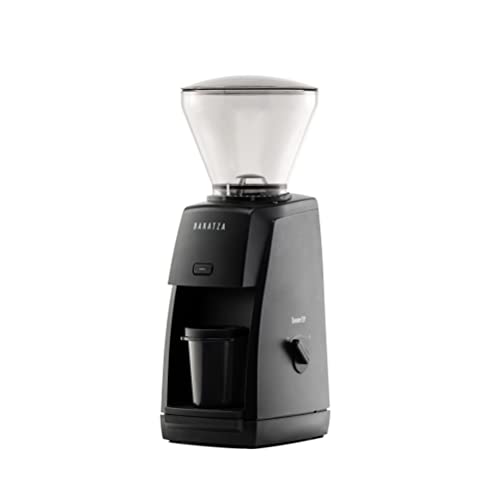
The espresso machine's full setup usually adds a grinder; the Baratza Encore ESP in the product table is one espresso-capable option.
How We Compared These Options
We relied on current Amazon US listings, manufacturer specifications and box contents, and compared complete setups at the same machine budget: what you must add before the first cup, what the daily routine involves and what you buy afterwards. Where a listing leaves out a specification, such as the Stilosa's pump rating, we say so rather than guess.
We read buyer feedback in aggregate for patterns in learning curve and cleanup, and kept verified features apart from our own judgments. No brewing trials of our own were done, so this coffee maker vs espresso machine guide makes no taste claims beyond explaining how the two methods differ.
Terminology and Brewing Method
What Each Option Supports
A drip coffee maker heats water and showers it over ground coffee in a filter basket, and gravity pulls the brewed coffee into a carafe. The Bonavita BV1500TS heats water to 194°F to 205°F with an 1100-watt heater, according to Bonavita, and uses a showerhead over a flat-bottom basket. An espresso machine pumps hot water through finely ground, tamped coffee in a portafilter. The Stilosa is a compact manual espresso machine with a stainless steel boiler and single and double filters.
What Changes in Everyday Use
With drip, you set it and walk away: add a filter and grounds, add water, press one button, and the carafe fills in about five minutes, per Bonavita. With espresso, you stay at the machine: grind or scoop fine coffee, tamp it evenly, lock in the portafilter, start and stop the shot, then steam milk if you want a latte. Each drink is made individually.
The first weeks also feel different. A new drip brewer makes good coffee on day one with almost no learning. A new manual espresso machine usually takes a few bags of coffee to dial in, as you learn how grind, dose and tamp change the shot, so plan for some practice shots before your lattes look and taste the way you want.
Grind size is the hidden difference. Drip brewers work with a medium grind, which is what most pre-ground coffee is. Espresso needs a much finer, more consistent grind, so either buy coffee ground for espresso or add a grinder that can go fine enough.
Freshness matters more for espresso, too. Pre-ground espresso loses aroma quickly once the bag is open, and because the method is so sensitive, stale coffee shows up as fast, thin shots. Drip coffee is more forgiving, which is part of why it suits busy mornings.
Who Benefits from the Difference
If you want coffee without technique, drip is the clear fit. If you enjoy a short ritual and want café-style drinks, espresso rewards the effort. Labels can blur this, since some brewers offer a "strong" or "concentrate" setting, but only pressure brewing through a portafilter or an automatic espresso machine makes true espresso.
Coffee Output and Control
What Each Option Supports
The Bonavita brews a 5-cup carafe, about one liter, which serves two to four mugs. Its optional pre-infusion mode pre-wets the grounds before brewing, and its thermal carafe keeps coffee hot without a warming plate. The Stilosa makes single or double espresso shots, around 1 to 2 fl oz each, which you can drink straight, lengthen with hot water into an Americano, or combine with steamed milk.
What Changes in Everyday Use
A drip pot covers several cups in one brew, which suits shared mornings. Espresso is a one-at-a-time drink; for two lattes, you pull two shots and steam milk twice or steam a larger jug once. Control differs too: with drip, you adjust the coffee amount and grind; with espresso, you adjust grind, dose and tamp, and small changes have a big effect on the shot.
Who Benefits from the Difference
Households that drink several mugs of regular coffee each morning benefit from drip's batch brewing. Individuals or couples who want one or two milk drinks benefit from espresso. If your household wants both a pot and lattes, consider two appliances or a combination brewer rather than forcing one machine to do everything.
Strength is another common confusion. Espresso is more concentrated per ounce, but a large mug of drip coffee can contain as much or more coffee overall than a single shot. If you want a big, long drink, drip suits you; if you want an intense small drink or a milk-based one, espresso suits you.
Preparation and Maintenance
What Each Option Supports
The Bonavita's carafe lid, filter basket and showerhead are dishwasher safe and BPA-free, and auto shut-off turns it off after brewing. The Stilosa includes a portafilter, a measuring scoop with a built-in tamper and two filters, plus a manual steam wand for milk. Both need periodic descaling with a solution the manufacturer approves.
What Changes in Everyday Use
Drip cleanup takes about a minute: discard the filter and grounds, rinse the basket and carafe. Espresso cleanup takes a few minutes per session: knock out the puck, rinse the portafilter and filter, purge and wipe the steam wand right after steaming, rinse the milk jug and empty the drip tray. Skipping wand cleaning lets milk dry on the tip, which is harder to remove later.
Who Benefits from the Difference
People who want the least maintenance benefit from a drip coffee maker. People who do not mind a few minutes of cleanup per drink, in exchange for espresso and milk drinks, benefit from an espresso machine. If daily cleaning is a deal breaker but you still want espresso drinks, a fully automatic espresso machine reduces the technique, though not all of the cleanup.
Descaling deserves a note for both. Mineral scale builds faster with hard water, and espresso machines are sensitive to it because water passes through narrow paths under pressure. Use the descaler and schedule each manual recommends, and consider filtered water if your tap water leaves white residue in kettles.
Setup and Recurring Cost
What Each Option Supports
At the time of checking, the Bonavita sold for around $150 and the Stilosa for around $100 new on Amazon US. The drip brewer is usable on day one with filters and ground coffee. The espresso machine needs either pre-ground espresso or an espresso-capable grinder such as the Baratza Encore ESP, which sold for around $200, plus a milk jug if you want lattes.
What Changes in Everyday Use
Recurring costs for drip are coffee, paper filters and descaler. For espresso, add milk if you drink milk drinks, plus descaler and possibly cleaning tablets. Espresso uses a little coffee per shot, but households making several milk drinks a day also go through a lot of milk, so count both when you compare.
A simple way to compare is to price a month of your normal routine on each setup: coffee, filters, milk and cleaning supplies. For many households, the difference in monthly supplies matters more than the machine price.
Who Benefits from the Difference
Budget-focused pot drinkers get the most from a drip coffee maker, since its full setup costs less. Daily latte drinkers may save compared with café purchases by owning an espresso machine, even after adding a grinder. If budget is tight and you want espresso, start with the machine and buy a grinder later, accepting the limits of pre-ground espresso.
Space is a hidden cost as well. An espresso corner needs room for the machine, a grinder, a milk jug and a knock box, while a drip brewer stands alone. In a small kitchen, that difference can decide the question before price does.
Representative Products and Pairing Limits
A Verified Pair at a Relevant Price Level
The Bonavita BV1500TS brews a 5-cup carafe in about five minutes with one touch, holds water at 194°F to 205°F with an 1100-watt heater, offers an optional bloom mode, uses a showerhead over a flat-bottom basket and keeps coffee in a 1 liter stainless thermal carafe. Its strengths are simplicity and batch brewing; its limitation is the small 5-cup capacity for larger households.

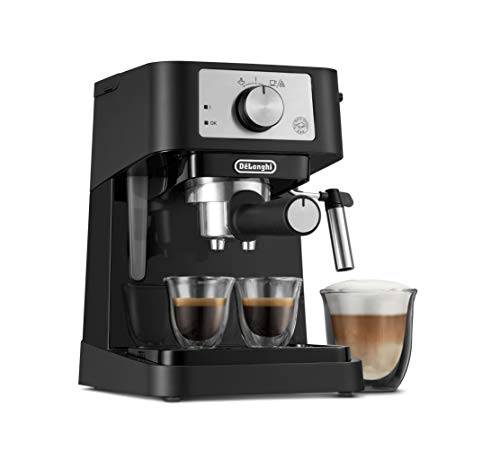
The De'Longhi Stilosa is a compact manual espresso machine with a stainless steel boiler, a portafilter, a measuring scoop and tamper, single and double filters and a manual steam wand. Its strengths are a low entry price for real espresso and milk drinks; its limitation is the learning curve and the need for a fine grind, and its listing does not state pump pressure.
What the Pair Does Not Prove
This pair compares an entry drip brewer with an entry manual espresso machine. It does not cover larger drip makers, grind-and-brew machines, capsule systems, semi-automatic machines with built-in grinders or fully automatic espresso machines, which change the effort and price for each side. A fully automatic machine, for example, removes most of the espresso technique.
It also does not prove one drink is better. Drip coffee and espresso are different drinks for different habits. For deeper options on the espresso side, see our guides to the best espresso machine and the best super automatic espresso machine.
Coffee Maker vs Espresso Machine: Which Should You Choose?
For Convenience-First Buyers
If convenience means pressing one button and walking away, choose a drip coffee maker. If it means one-touch espresso drinks, look past manual machines like the Stilosa to a fully automatic espresso machine, which grinds, doses and brews internally at a higher price.
For Buyers Seeking Control or Different Drinks
For espresso, cappuccinos and lattes, choose an espresso machine; the Stilosa gives full manual control at a low price. For control over drip brewing, a brewer with a bloom mode like the Bonavita plus a burr grinder lets you fine-tune pots of regular coffee.
For Budget and Space Constraints
Both machines here cost about the same, but the espresso setup grows with a grinder and milk jug. Drip brewers are simple to place; espresso machines need room in front for the portafilter, tamping and steaming. Measure under cabinets for either, and leave space for a grinder if you choose espresso.
Frequently Asked Questions
Are these options the same type of machine?
No. A drip coffee maker brews regular coffee by gravity through a filter into a carafe, while an espresso machine forces hot water through finely ground, tamped coffee under pressure to make concentrated shots. They make different drinks and suit different routines.
Which is easier to use and maintain?
A drip coffee maker is easier on both counts: one button to brew, and about a minute of cleanup. An espresso machine asks you to dose, tamp, brew and steam, then clean the portafilter and steam wand after each session. Both need periodic descaling.
What accessories or coffee formats do they require?
Drip brewers need ground coffee at a medium grind and paper filters. Espresso machines need finely ground espresso or an espresso-capable grinder, a milk jug for milk drinks, and often a knock box. Both need a descaler the manual approves. A small scale is optional for drip and very helpful for espresso, where a gram or two changes the shot.
Which offers better value for my routine?
For pots of regular coffee, a drip coffee maker offers better value and a cheaper full setup. For daily espresso or lattes, an espresso machine offers better value over time, even with a grinder added. Choose by the drink you make most days.
Final Verdict
In the coffee maker vs espresso machine decision, choose a drip coffee maker like the Bonavita BV1500TS for easy pots of regular coffee, and an espresso machine like the De'Longhi Stilosa for espresso and milk drinks you make by hand. If you want espresso without technique, compare fully automatic models in our guide to the best super automatic espresso machine.


