
How To Clean A Coffee Maker Filter: A Model-Specific Guide
Disclosure: We may earn a commission when you buy through links on this page, at no extra cost to you. As an Amazon Associate I earn from qualifying purchases. Learn more

How to clean a coffee maker filter by type: reusable mesh, pod and water filters, with simple steps and checks.
Knowing how to clean a coffee maker filter starts with knowing which filter you have. A reusable gold-tone or stainless mesh coffee filter should be washed after use, a paper filter is simply thrown away, a reusable pod filter needs its own rinse, and a charcoal water filter cartridge is usually replaced rather than washed. This guide covers drip and single serve coffee makers and shows you how to match the right care to the right filter using your machine's manual.
If you already know your filter type, jump to the step-by-step procedure. If your coffee tastes stale or brewing has slowed, the sections below help you tell whether the filter, the brew path or mineral scale is the real cause.


Quick Answer and Task Boundary
Empty and rinse a reusable coffee filter right after brewing, then wash it in warm soapy water with a soft brush, or in the dishwasher only if your manual says the filter is dishwasher safe. Let it dry fully before reuse. Paper filters are single use.
Charcoal water filters and water filter cartridges remove taste and odor from the water and are replaced on the schedule your manual gives, not washed, unless the instructions say otherwise. Mineral scale inside the machine is a descaling job, which is separate from filter cleaning.
Identify the Model and the Right Maintenance Task
Find the Exact Model and Manual
Find the model number on the label underneath the machine, on the back or inside the reservoir area, and write it down with any generation or series name. Download the manual from the manufacturer's US support site and open the care or cleaning section. It usually lists which parts are dishwasher safe, which filter the machine uses and how often to replace a water filter.
Brands with many similar models, such as Cuisinart, Mr. Coffee, Ninja or Keurig, change filter shapes and holders between generations. Use the manual for your exact model rather than a close relative.
While you have the manual open, note the part names it uses, such as filter basket, brew basket holder or water filter holder. Those names make replacement parts easier to find later, and they tell you which pieces the manufacturer expects you to remove and clean yourself.
Check Whether This Is Cleaning or Descaling
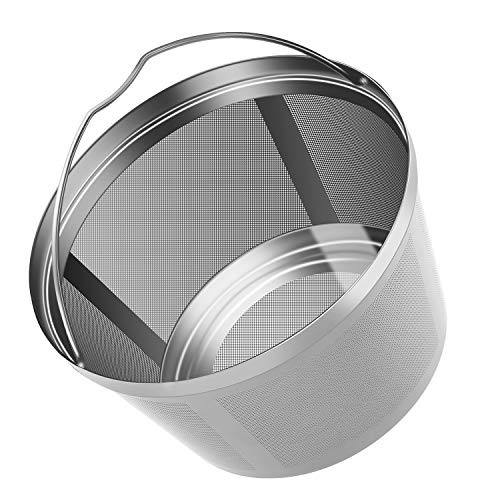
First identify the part. A basket or cone of fine mesh that holds coffee grounds is a reusable coffee filter. A small cartridge or charcoal disc that sits in the water reservoir or a holder is a water filter. A refillable cup that replaces a pod is a reusable pod filter.
Then match the symptom. Brown film, oily residue or a stale taste usually points to a dirty coffee filter or basket, which is cleaning. Slower brewing, cooler coffee or a descale light points to mineral scale, which is a descaling task covered in our guide on how to descale a coffee maker. A water filter reminder or the end of its stated life means replacement.
What You Need Before Starting
Gather only what your manual approves: warm water, mild dish soap, a soft brush or old soft toothbrush, a clean cloth and a drying rack. Avoid abrasive scrubbers and harsh cleaners on gold-tone and mesh filters, since they can damage the fine screen.
If your water filter is due, have the correct replacement cartridge or charcoal filter for your model ready; compatible packs list the models they fit, so check that list against your model number. For a worn or torn reusable coffee filter, replacement is the right move rather than more washing. The product table above shows a genuine Cuisinart gold-tone filter and two universal-style reusable filters, and each listing states which basket shapes and sizes it fits.
Unplug the machine and let it cool before removing the basket or touching the warming plate. Never immerse the machine body in water.
How To Clean A Coffee Maker Filter: Step-by-Step Procedure
Prepare the Correct Components
Start by confirming which filter you are cleaning, because the steps differ. Do not confuse a water filter change with coffee path cleaning: washing a charcoal cartridge will not remove coffee oils from the basket, and scrubbing the coffee filter will not refresh your water.
With the machine off and cool, open the lid or swing out the brew basket as your manual describes and lift out the reusable coffee filter. Knock the used grounds into the trash or compost; avoid washing large amounts of grounds down the sink, which can clog drains. If your machine has a separate removable basket holder, take that out too, since oils collect there as well.
For a reusable pod filter, open the lid, empty the grounds and separate any removable mesh insert. For a water filter holder, remove the holder from the reservoir and take out the old cartridge only if it is due for replacement.
Gold-tone and stainless filters behave slightly differently. Gold-tone coatings are smooth and release oils easily but can be scratched by stiff brushes; stainless mesh tolerates a bit more scrubbing but traps fine grounds in its weave. Nylon mesh filters, which some brewers include as a permanent filter, are lighter and should be handled gently so the frame does not crack.
Start the Approved Task or Program
Filter cleaning is almost always a manual washing task, not a powered program. Rinse the reusable coffee filter under warm running water from the outside in, which pushes trapped grounds back out of the mesh rather than deeper into it.
Some machines also have a "clean" or self-clean cycle for the brew path. That cycle is a different job and runs with the machine powered on, using the approach your manual specifies; do not run it with the reusable filter in place unless the manual says to. Do not press buttons copied from another model's instructions, since sequences differ even within one brand.
If your manual says the filter and basket are dishwasher safe, you can place them on the top rack instead of washing by hand. If it does not say so, wash by hand.
Complete the Cleaning or Descaling Stage
Wash the coffee filter in warm soapy water, using a soft brush in gentle circles on both sides of the mesh. Pay attention to the rim and seams, where oils collect. For stubborn brown residue, let the filter soak in warm soapy water for a short time, then brush again.
Avoid strong chemicals, bleach or abrasive powders unless your manual approves them for that part. Universal ratios for vinegar or baking soda soaks are not a substitute for your manufacturer's instructions; if the manual approves a specific cleaner, use only that product in the stated amount.
If the mesh is torn, the frame is bent or residue will not come off with gentle cleaning, replace the filter. A damaged filter lets grounds into the carafe and can affect flow. For water filters, install the new cartridge exactly as the manual shows, including any soaking or rinsing of the new cartridge before first use.
Finish the Required Rinse and Reassembly
Rinse the coffee filter thoroughly under clean running water until no soap remains, holding it up to the light to check that the mesh is clear. Shake off excess water and let it air dry on a rack, or dry it gently with a clean cloth.
Wipe the brew basket area inside the machine with a damp cloth once it is cool, removing any stray grounds. Reinstall the basket holder and filter, making sure they seat fully so the lid closes and any drip-stop valve works as designed. Reinsert the water filter holder if you removed it.
For the first brew after cleaning or after fitting a new water filter, follow any first-use step in your manual, which may include running plain water through the machine. Then brew normally.
A simple habit keeps this whole process short: knock out and rinse the reusable filter as soon as the pot finishes, while the grounds are still loose. Dried grounds and oils take far longer to remove, and leaving a wet filter of grounds in the machine overnight invites odors.
Check the Result Before Normal Use
Confirm Completion
Check that the filter sits flat and fully in its basket, the lid closes without force, and the carafe or mug is in place. If your machine has a water filter reminder, reset it as the manual describes after a replacement. Your first cup should brew at a normal speed with no grounds in the carafe.
If a Prompt or Symptom Remains
If coffee still tastes stale, the brew path may need a cleaning cycle with an approved cleaner. If brewing is slow or a descale light stays on, descale as the manual directs. If grounds still escape, replace the filter. For anything else, check our coffee maker troubleshooting guide or contact the manufacturer rather than repeating washes.
Common Mistakes to Avoid
- Using the wrong task: washing the coffee filter will not remove mineral scale, and descaling will not clean oily residue from a filter. Coffee oils, mineral scale and milk residue each need their own care.
- Treating cleaners as interchangeable: vinegar, coffee machine cleaning tablets and descaler do different jobs. Use only what your manual approves for each part.
- Dishwashing or soaking without approval: some filters and holders are hand wash only, and charcoal water filters are generally replaced rather than washed.
- Copying another model's steps: filter shapes, holders and self-clean buttons differ by generation, so follow your exact manual.
- Letting filters stay wet: storing a damp filter in a closed machine can lead to odors; let it dry before you close the lid.
Finally, keep paper filters dry and stored away from strong smells, since paper can absorb odors. Use the size and shape your manual specifies, basket or cone, because a poorly fitting paper filter can fold over and let grounds into the carafe.
Frequently Asked Questions
Which cleaner is approved for this model?
Your manual lists it, usually mild dish soap and water for reusable filters and baskets, and a specific descaler or cleaner for the machine itself. If the manual names no special product for the filter, warm soapy water and a soft brush are the safe choice. Avoid abrasives on gold-tone mesh.
How often should I perform this task?
Rinse a reusable coffee filter after every brew and wash it with soap at least every few days, or daily if you brew often. Replace charcoal water filters on the interval your manual gives. Descaling is a separate, periodic task based on your water and the manufacturer's schedule.
What if the cleaning or descaling alert remains?
A clean or descale alert refers to the machine's brew path or heating system, not the coffee filter. Run the program your manual describes, using the approved product, and complete every rinse step. If the alert persists, check the manual's reset steps or contact manufacturer support.
Can I use a generic method from another coffee maker?
Basic washing of a reusable mesh filter is similar across brands, but anything involving chemicals, dishwashers, water filters or powered cycles should follow your own manual. Generic methods can use the wrong product or skip a required step.
Keep the Routine Simple
To recap how to clean a coffee maker filter: identify the filter type, rinse a reusable filter after each brew, wash it with mild soap and a soft brush, dry it fully, and replace water filters or damaged filters on schedule. Keep descaling and brew path cleaning as separate tasks. For the full schedule, see our coffee maker maintenance guide.


