
How to Make Pour Over Coffee: Step by Step Guide
Disclosure: We may earn a commission when you buy through links on this page, at no extra cost to you. As an Amazon Associate I earn from qualifying purchases. Learn more

How to make pour over coffee with a simple ratio, a bloom and slow staged pours, plus recipes for popular drippers.
Learning how to make pour over coffee gives you a clean, bright cup that shows off the flavor of good beans. The method is simple: rinse a paper filter in a dripper, add medium fine coffee, pour a little hot water to let it bloom, then pour the rest slowly in circles over about three minutes. With a scale, a kettle and a few practice rounds, you can brew café quality coffee at home.
This guide covers the equipment, the best ratio and grind, a detailed step by step method, how to adjust taste, recipes for different drippers, common mistakes and how to keep your gear clean.


What You Need
- A dripper: a cone such as the Hario V60, a flat-bottom Kalita Wave, a Chemex, or a simple Melitta cone. Our guide to the best pour over dripper compares options.
- Paper filters: matched to your dripper shape.
- Fresh coffee beans: light and medium roasts shine in pour over.
- A burr grinder: for an even, medium fine grind.
- A kettle: a gooseneck kettle gives the most control; see the best gooseneck kettle.
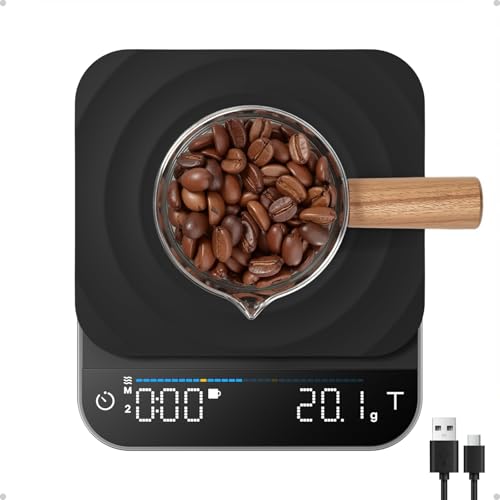
- A scale with a timer: for consistent coffee and water amounts.
- A mug or carafe.
Why Pour Over Tastes Different
Pour over is a percolation method: water flows through the coffee bed once and drains through a paper filter. The paper traps most oils and fine particles, so the cup tastes clean and light bodied, with clear flavors. Compared with a French press, which keeps oils and fine particles in the cup for a heavier body, pour over highlights acidity, sweetness and aroma. Compared with an automatic drip machine, it gives you control over water temperature, pour speed and timing, which lets you fine tune each cup.
That control is both the appeal and the challenge. Small changes in grind size or pour speed change the result, so pour over rewards a consistent routine and a little attention.
Brewing for Two or More
To brew more than one cup, scale up the recipe and use a larger dripper or a Chemex. For two cups, try 30 to 35 grams of coffee with 480 to 560 grams of water, keeping the 1:16 ratio. Grind slightly coarser than for a single cup, because the deeper coffee bed slows drainage. Expect a longer total brew time, around 3:30 to 4:30, and pour in more stages to keep the water level steady.
Pour Over Ratio and Grind
A good starting ratio is 1:16, one gram of coffee for every 16 grams of water. For a single 10 to 11 ounce cup, use 20 grams of coffee and 320 grams of water. For a stronger cup, try 1:15; for a lighter one, 1:17.
Grind the coffee medium fine, similar to table salt. Cone drippers usually need a slightly finer grind than flat-bottom drippers, and Chemex brewers need a slightly coarser grind because of their thick filters. Heat water to about 195 to 205°F, using the higher end for light roasts and the lower end for dark roasts.
How to Make Pour Over Coffee: Step by Step
- Heat the water. Bring water to about 200°F, or boil and wait 30 seconds.
- Weigh and grind. Weigh 20 grams of beans and grind them medium fine.
- Rinse the filter. Place the filter in the dripper over your mug or carafe and pour hot water through it. This removes paper taste and preheats everything. Discard the rinse water.
- Add the coffee. Pour the grounds into the filter and gently shake the dripper to level the bed. Place everything on the scale and tare to zero.
- Bloom. Start the timer and pour about 40 to 50 grams of water, enough to wet all the grounds evenly. Wait 30 to 45 seconds while the coffee releases gas and bubbles.
- First main pour. Pour slowly in small circles from the center outward, avoiding the filter walls, until the scale reads about 150 grams.
- Second pour. When the water level drops slightly, continue pouring in circles until you reach 250 grams.
- Final pour. Pour the remaining water to reach 320 grams, keeping the stream gentle.
- Let it drain. Give the dripper a gentle swirl to flatten the coffee bed, then let it finish draining. Total time should be around 2:30 to 3:30 for a single cup.
- Serve. Remove the dripper, swirl the coffee and enjoy.
Understanding the Bloom
Freshly roasted coffee contains carbon dioxide. When hot water first hits the grounds, that gas escapes and causes the coffee bed to puff up and bubble. If you pour all your water at once, the escaping gas pushes water away and leads to uneven extraction. A short bloom, about 30 to 45 seconds with roughly twice the coffee's weight in water, lets the gas escape so later pours extract evenly.
The bloom also tells you about freshness. Very fresh coffee blooms vigorously, while older coffee barely bubbles. If your coffee no longer blooms, it is probably past its best, and you may need a finer grind to get full flavor.
Equipment Upgrades That Help
You can start with just a dripper and a regular kettle, but a few upgrades make a big difference. A burr grinder gives an even grind that drains predictably. A gooseneck kettle controls the stream so you can pour slowly and precisely. A scale with a timer makes it easy to follow recipes. Filtered water improves taste and keeps your kettle free of scale.
Adjusting the Taste
Pour over is a great way to learn how variables affect flavor. Change one thing at a time:
- Sour, thin or weak: grind finer, use hotter water, or slow your pours. If brew time is under two minutes, a finer grind usually fixes it.
- Bitter, harsh or dry: grind coarser, use slightly cooler water, or pour faster. If brew time is over four minutes, go coarser.
- Too strong: use a lighter ratio such as 1:17.
- Too weak but balanced: use more coffee, such as 1:15.
Recipes for Popular Drippers
Hario V60
Use 15 grams of coffee and 250 grams of water at a medium fine grind. Bloom with 30 grams for 30 to 45 seconds, then pour in two or three stages, finishing around 2:30 to 3:00. The V60's large hole means your pour speed controls the brew, so keep it steady.
Kalita Wave
Use 20 grams of coffee and 320 grams of water at a medium grind, slightly coarser than V60. Bloom with 40 grams, then pour in small pulses of about 50 grams, keeping the water level consistent. Aim for about 3:00 to 3:30. The flat bed is forgiving and produces a balanced cup.
Chemex
For two cups, use 40 grams of coffee and 640 grams of water at a medium coarse grind. Use a Chemex bonded filter with the thick side toward the spout. Bloom with 80 grams, then pour in stages, finishing around 4:00 to 4:30.
Melitta Cone
Use about 2 tablespoons of medium ground coffee per 6 ounces of water. Bloom briefly, then fill the cone and keep topping up until you reach your desired amount. The small holes slow the drip, so a slightly coarser grind can help.
Choosing Coffee for Pour Over
Pour over highlights clarity and delicate flavors, so light and medium roasts from Ethiopia, Kenya, Colombia or Guatemala are popular. They often taste fruity, floral or caramel sweet. Dark roasts work too, but use slightly cooler water to avoid bitterness. Buy beans roasted within the past few weeks and grind them just before brewing.
Common Mistakes
- Skipping the bloom, which leads to uneven extraction.
- Pouring on the filter walls, letting water bypass the coffee.
- Using a blade grinder, which produces fines that clog the filter.
- Not rinsing paper filters, which can add a papery taste.
- Guessing measurements instead of weighing, which makes results inconsistent.
- Using water straight off a rolling boil for dark roasts, which can taste harsh.
Making Iced Pour Over
For a refreshing iced coffee, brew Japanese style. Use your normal dose, for example 20 grams of coffee, but replace about 40 percent of the water with ice in the server. Pour about 190 grams of hot water through the coffee onto 130 grams of ice. The hot coffee melts the ice and cools instantly, preserving bright aromas. Use a slightly finer grind to compensate for less hot water.
Water Matters
Coffee is about 98 percent water, so the water you brew with shapes the taste. Use filtered water that tastes clean, without chlorine or strong mineral flavors. Very soft or distilled water can make coffee taste flat, while very hard water mutes flavor and builds scale in your kettle. A simple pitcher filter is enough for most homes.
Cleaning Your Pour Over Gear
Discard the filter and grounds into compost or trash, then rinse the dripper and server with hot water. Wash them with warm soapy water regularly to remove oils. Descale your kettle every month or two if you have hard water. For more care routines, see our guide on how to clean a coffee maker.
Explore more brewing methods in our coffee guides, or compare carafe brewers in the best pour over coffee maker guide.
FAQs
How much coffee do I use for pour over?
About 1 gram of coffee per 16 grams of water. For a 10 ounce cup, use around 20 grams of coffee and 320 grams of water.
What grind size is best for pour over?
Medium fine for cone drippers, medium for flat-bottom drippers and medium coarse for Chemex.
How long should pour over take?
About 2:30 to 3:30 for a single cup, and up to 4:30 for larger Chemex batches.
Do I need a gooseneck kettle?
It is not required, but it makes pouring slow and controlled, which improves consistency.
Can I make pour over without a scale?
Yes. Use about 2 level tablespoons of coffee per 6 ounces of water and fill the dripper in stages. A scale simply makes your results more repeatable.
Should I stir pour over coffee?
A gentle stir or swirl after the bloom and at the end helps wet all the grounds and flatten the bed. Avoid aggressive stirring, which can clog the filter.
Why is my pour over sour?
It is likely under extracted. Grind finer, use hotter water or pour more slowly.
Final Thoughts
Now that you know how to make pour over coffee, start with 20 grams of medium fine coffee and 320 grams of water just off the boil, bloom for 30 to 45 seconds, pour slowly in stages and aim for about three minutes. Taste, adjust one variable at a time and enjoy discovering how much flavor a simple dripper can bring out of your favorite beans.


