
Light Roast vs Dark Roast Coffee: What Changes
Disclosure: We may earn a commission when you buy through links on this page, at no extra cost to you. As an Amazon Associate I earn from qualifying purchases. Learn more

Light roast vs dark roast coffee compared side by side, from flavor and acidity to caffeine and brew methods.
Light roast vs dark roast coffee comes down to flavor, not strength: light roasts taste bright, fruity and acidic with a lighter body, while dark roasts taste bold, chocolatey and smoky with a heavier body and less acidity. Caffeine is nearly the same by weight. Choose light roast if you enjoy black coffee with complex fruit or floral notes, and dark roast if you like a rich, low acid cup or add milk and sugar.
Below we compare the two side by side, explain how roasting changes the bean, bust the caffeine myth, match each roast to brew methods and drinks, and answer common questions so you can pick the right bag next time.
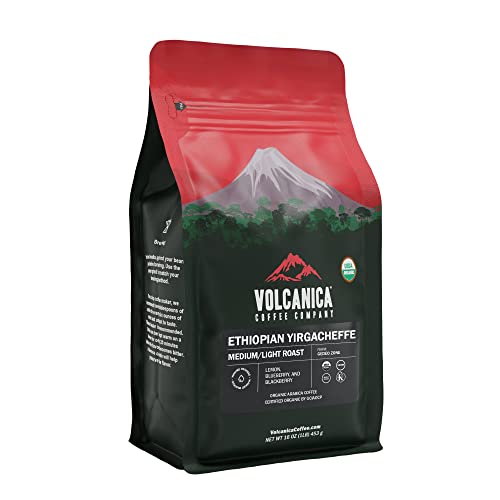

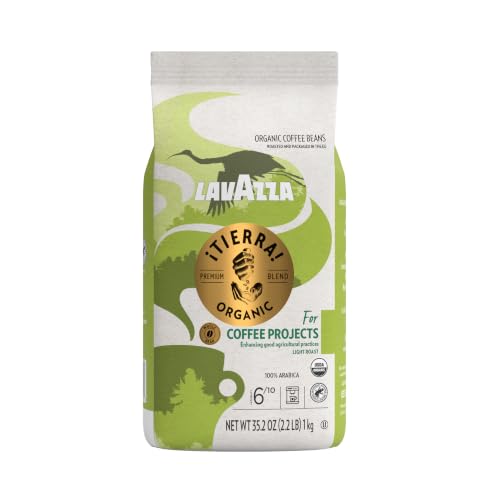
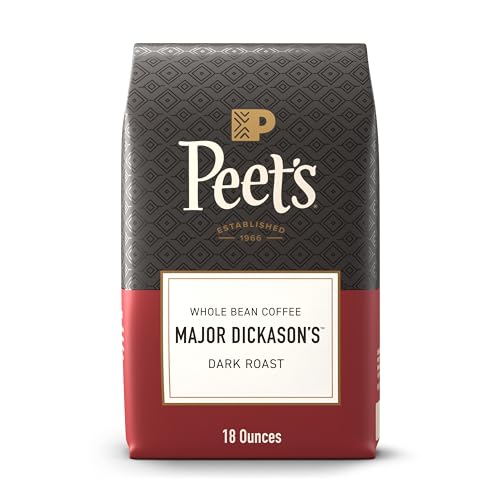
Light Roast vs Dark Roast Coffee: Quick Comparison
The quickest way to choose is to compare flavor, acidity, body and best uses. This table sums up the main differences.
| Factor | Light Roast | Dark Roast |
|---|---|---|
| Color and surface | Light brown, dry | Dark brown to almost black, often oily |
| Flavor | Fruity, floral, citrus, tea like | Chocolate, caramel, smoky, toasty |
| Acidity | Higher, bright | Lower, smooth |
| Body | Lighter | Heavier |
| Caffeine by weight | About the same | About the same |
| Origin character | Strong | Muted by roast flavors |
| Best brew methods | Pour over, drip, AeroPress | French press, espresso, moka pot, cold brew |
| Best with milk | Less so | Yes |
What Is Light Roast Coffee?
Light roast coffee is roasted for a shorter time and pulled from the roaster around the first crack, at roughly 356 to 401 degrees Fahrenheit. The beans stay light brown and dry, and much of the bean's original chemistry remains.
That is why light roasts taste like where they came from: Ethiopian light roasts can taste of lemon and blueberry, Kenyan of blackcurrant, and Colombian of red apple and caramel. Common names include Cinnamon, Half City, New England and Blonde roast. For picks, see our guide to the best light roast coffee.
What Is Dark Roast Coffee?
Dark roast coffee is roasted longer, to around or past the second crack at roughly 437 to 482 degrees Fahrenheit. Sugars caramelize further, acids break down and oils rise to the surface, giving dark beans their shiny look.
Dark roasts taste bold, bittersweet and smoky, with chocolate and caramel notes and a heavy body. Common names include Full City Plus, Vienna, French, Italian and Espresso roast. For picks, see our guide to the best dark roast coffee.
How Does Roasting Change Coffee Beans?
Roasting turns green, grassy coffee seeds into the brown, aromatic beans we brew by driving off moisture, browning sugars and creating hundreds of flavor compounds. The longer and hotter the roast, the more the bean's original character gives way to roast flavors.
Drying Stage
For the first several minutes, beans lose moisture and turn from green to yellow, smelling like hay or bread.
Browning Stage
Maillard reactions and caramelization begin, turning beans tan and then brown and creating sweetness, nuttiness and body.
First Crack
Steam and gas build up and the beans crack audibly, like popcorn. Light roasts end shortly after this point.
Development and Second Crack
Medium roasts finish between the first and second cracks. Around the second crack, the bean structure breaks down further, oils rise and smoky, bittersweet flavors take over. Dark roasts end here or later.
Roast Level Names Explained
Roast names vary between roasters, but most fall into a few groups from lightest to darkest:
- Light: Cinnamon, Light City, Half City, New England, Blonde.
- Medium: City, American, Breakfast.
- Medium dark: Full City, After Dinner.
- Dark: Vienna, French, Italian, Espresso, Spanish.
Because names are not standardized, read the roaster's tasting notes as well. Words like "bright", "floral" and "citrus" signal a lighter roast, while "chocolate", "smoky" and "bold" signal a darker one.
Which Has More Caffeine, Light or Dark Roast?
Light and dark roasts have almost the same caffeine by weight. Roasting does not burn off much caffeine. The difference people notice comes from measuring: light beans are denser, so a scoop of light roast holds slightly more coffee and a bit more caffeine than a scoop of dark roast. If you weigh your coffee, the difference nearly disappears.
The bold taste of dark roast is often mistaken for strength. If you want more caffeine, choose a blend with Robusta beans or use more coffee.
Flavor and Acidity Differences
Light roast tastes brighter and more acidic, and dark roast tastes smoother and more bitter. Acidity in coffee is a pleasant, juicy brightness, like biting into an apple, not sourness. Light roasts keep more of the natural acids, including chlorogenic acids, that create this brightness.
Dark roasting breaks down many of those acids and creates roasty, bittersweet compounds instead. People who find coffee harsh on the stomach often prefer dark roast for its lower perceived acidity, though reactions vary.
Body and Mouthfeel
Dark roasts have a heavier, syrupy body, while light roasts feel lighter and more tea like. Oils released during dark roasting add weight, which is why dark roast feels rich in a French press and pairs well with cream.
Best Brew Methods for Each Roast
Light roasts shine in methods that highlight clarity, and dark roasts shine in methods that highlight body.
Light Roast
Pour over, quality drip machines and AeroPress bring out light roast sweetness and fruit. Use water just off the boil, around 200 to 205 degrees Fahrenheit, and a slightly finer grind, since light beans are dense and less soluble.
Dark Roast
French press, espresso, moka pot and cold brew suit dark roast. Use slightly cooler water, around 195 to 200 degrees Fahrenheit, and a slightly coarser grind, since dark beans extract quickly and can turn bitter.
Which Roast Is Better for Espresso and Milk Drinks?
Dark and medium dark roasts are better for most home espresso and milk drinks. They extract easily, produce thick crema and keep their chocolatey flavor under steamed milk. Light roast espresso can taste vibrant but needs a capable grinder, higher temperatures and longer shots, and its brightness can taste sour in milk. Our guide to the best coffee beans for espresso covers roast choices for shots.
What About Medium Roast?
Medium roast sits between the two, balancing sweetness, acidity and body. It keeps some origin character while adding caramel and nutty notes, which makes it the most versatile choice for drip, pour over and espresso. If you cannot decide between light and dark, start with medium. Our guide to the best whole bean coffee includes versatile medium roasts.
Is Light Roast Healthier Than Dark Roast?
Light roast retains slightly more chlorogenic acids, a group of antioxidants that roasting breaks down, while dark roast produces other compounds during roasting. Differences in the cup are small, and neither roast is clearly healthier. Choose the roast you enjoy. If you have health questions about coffee, ask your doctor.
How to Taste the Difference at Home
The easiest way to learn your preference is a side by side tasting. Buy a small bag of a light roast and a dark roast, ideally from the same origin, and brew both the same way, such as pour over at a 1 to 16 ratio. Let the cups cool a little, since flavors are clearer when coffee is warm rather than hot.
Sip each one black and notice acidity, sweetness, body and finish. Then add a splash of milk to each and taste again. Many people find they prefer light roast black and dark roast with milk, which is a useful guide for buying beans.
How to Choose Between Light and Dark Roast
Choose light roast if you drink coffee black, like fruity or floral flavors and brew pour over or drip. Choose dark roast if you add milk or sugar, like chocolatey and smoky flavors, want lower acidity or brew French press, espresso or cold brew.
- Black coffee with complex flavor: light roast.
- Lattes and cappuccinos: dark or medium dark roast.
- Cold brew: medium to dark roast.
- Sensitive to acidity: dark roast.
- Not sure: medium roast.
Light vs Dark Roast for Cold Brew and Iced Coffee
Dark and medium dark roasts make the smoothest cold brew, with chocolate and caramel notes and very little sourness. Light roast cold brew tastes tea like and fruity, which some people love, but it can taste thin; steep it a little longer and grind slightly finer. For iced pour over, light roasts are excellent because the flash chilling locks in their bright aromas.
Common Myths About Roast Levels
The most common myth is that dark roast has more caffeine; it does not. Another is that dark roast is "burnt" coffee; a well made dark roast is roasted deliberately and should taste bittersweet, not charred. Some people believe light roast is "underdeveloped" or sour by nature, but a well roasted and properly brewed light roast tastes sweet and juicy. Finally, roast level does not tell you quality; good and poor beans exist at every roast level.
Storing Light and Dark Roast Coffee
Both roasts keep best in an opaque, airtight container at room temperature. Dark roasts go stale a little faster because their porous, oily surface exposes more coffee to air, so use them within 2 to 3 weeks of opening. Light roasts often taste best 5 to 14 days after roasting and keep good flavor for about a month. Our guide to the best coffee canister compares storage options.
Keep Your Coffee Maker Clean
A clean brewer matters for both roasts. Old coffee oils, especially from dark roasts, build up in carafes and baskets and make every cup taste stale or bitter. Wash removable parts after each use and descale regularly; our guide on how to clean a coffee maker explains each step. Browse more brewing guides in our coffee guides section.
FAQs About Light Roast vs Dark Roast
Is light roast or dark roast stronger?
Neither is much stronger in caffeine; they are nearly equal by weight. Dark roast tastes bolder, which many people read as strength.
Which roast is less acidic?
Dark roast is less acidic in taste because longer roasting breaks down acids. Light roast is brighter and more acidic.
Which roast is better for drip coffee?
Both work. Medium and light roasts taste great in good drip machines that reach full temperature. Dark roast suits people who add cream.
Why does dark roast look oily?
Long roasting pushes oils to the bean's surface. Oily beans are normal for dark roasts but can clog some super-automatic machines.
Is blonde roast the same as light roast?
Yes, blonde roast is a marketing name for a light roast, usually a mellow, sweet style rather than very fruity.
Can I mix light and dark roast?
Yes. Blending them gives a balanced cup with some brightness and some body. Many house blends do this.
Bottom Line
In the light roast vs dark roast coffee choice, pick light roast for bright, fruity, complex black coffee and pour over, and pick dark roast for bold, chocolatey, low acid coffee, espresso and milk drinks. Caffeine is about the same, so let flavor decide, and try a medium roast if you want a bit of both.


