
Cappuccino vs Latte: Milk, Foam and Flavor
Disclosure: We may earn a commission when you buy through links on this page, at no extra cost to you. As an Amazon Associate I earn from qualifying purchases. Learn more

Cappuccino vs latte compared, with ratios, sizes, caffeine, calories and home recipes for both.
In cappuccino vs latte, the difference is milk: a cappuccino is a smaller drink with equal parts espresso, steamed milk and a thick layer of foam, so it tastes stronger and feels airy, while a latte has more steamed milk and only a thin layer of foam, so it tastes milder, creamier and smoother. Both start with the same shot of espresso. Choose a cappuccino if you want a bold coffee flavor and a foamy texture, and a latte if you want a larger, creamy, gentle drink.
Below we compare the two side by side, explain the ratios, sizes, textures, calories and caffeine, show how to make each at home and answer common questions.


Cappuccino vs Latte: Quick Comparison
This table shows the key differences at a glance.
| Factor | Cappuccino | Latte |
|---|---|---|
| Espresso | 1 to 2 shots | 1 to 2 shots |
| Milk ratio | About 1/3 espresso, 1/3 steamed milk, 1/3 foam | About 1/6 espresso, 4/6 steamed milk, thin foam |
| Foam | Thick, about 1 to 2 cm or more | Thin, about 1 cm or less |
| Typical size | 5 to 6 ounces traditionally | 8 to 12 ounces or more |
| Taste | Stronger coffee flavor | Milder, creamier |
| Texture | Light and airy | Smooth and silky |
| Calories (whole milk, typical café size) | Lower, less milk | Higher, more milk |
| Caffeine | Same shots, same caffeine | Same shots, same caffeine |
| Latte art | Possible but harder | Easier with silky microfoam |
What Is a Cappuccino?
A cappuccino is an Italian espresso drink made with a shot or two of espresso topped with steamed milk and a thick cap of milk foam, in roughly equal thirds. A traditional Italian cappuccino is small, about 5 to 6 ounces, and served in a wide, thick porcelain cup. The name is said to come from the brown color of the robes worn by Capuchin friars.
Because there is less milk, the espresso flavor stands out. The thick foam gives a light, airy texture and keeps the drink warm. In Italy, cappuccinos are usually a morning drink.
Wet vs Dry Cappuccino
A "wet" cappuccino has more steamed milk and less foam, closer to a latte. A "dry" cappuccino has more foam and less liquid milk, so it is lighter and stronger. "Bone dry" means almost all foam.
What Is a Latte?
A latte, short for caffè latte, meaning "milk coffee", is espresso with a generous amount of steamed milk and a thin layer of microfoam on top. It is larger than a cappuccino, typically 8 to 12 ounces or more, and served in a tall glass or a wide mug.
The extra milk mellows the espresso and makes the drink creamy and sweet tasting. Lattes are the most popular base for flavored drinks such as vanilla, caramel and pumpkin spice lattes, and their silky milk is ideal for pouring latte art.
Where Do Cappuccinos and Lattes Come From?
Both drinks come from Italy's espresso culture. The cappuccino grew popular in Italian cafés in the early twentieth century once espresso machines spread, and its modern foamy form took shape after steam wands improved in the 1950s. The caffè latte was long a home breakfast drink in Italy, simply coffee with warm milk. The large café latte with silky foam that most people know today was shaped by coffee houses in the United States, especially in Seattle in the 1980s and 1990s.
How Cappuccinos and Lattes Differ Around the World
Sizes and styles vary by country. In Italy, a cappuccino is small and mostly a morning drink, and ordering a "latte" may get you a glass of plain milk, so ask for a caffè latte. In the United States, café cappuccinos are often 12 ounces or larger, closer to a foamy latte, and lattes can reach 20 ounces. In Australia and New Zealand, cappuccinos are often dusted with chocolate powder, and the flat white is a favorite. Knowing these differences helps you order what you expect.
Which Is Stronger, a Cappuccino or a Latte?
A cappuccino tastes stronger because it has less milk for the same amount of espresso. Both drinks usually contain the same one or two shots, so caffeine is the same. A 12 ounce latte and a 6 ounce cappuccino made with a double shot each contain roughly 120 to 150 milligrams of caffeine, but the cappuccino will taste much more like coffee.
Cappuccino vs Latte: Taste and Texture
A cappuccino tastes bold and coffee forward with a light, foamy mouthfeel, while a latte tastes mild, sweet and creamy with a smooth, velvety texture. The foam on a cappuccino feels airy and dry on the lips; the microfoam on a latte blends into the milk for a silky sip. If you like the taste of espresso, a cappuccino lets it shine. If you prefer a softer drink, a latte is the better match.
Calories in a Cappuccino vs a Latte
A cappuccino usually has fewer calories than a latte because it contains less milk. With whole milk, a small 6 ounce cappuccino may have around 70 to 110 calories, while a 12 ounce latte may have around 150 to 200. Choosing skim, oat or almond milk lowers calories in either drink, and syrups and sugar add more.
Cup Sizes for Each Drink
Serve a cappuccino in a 5 to 8 ounce wide cup and a latte in a 10 to 16 ounce glass or mug. A wide cup helps foam spread evenly on a cappuccino, and a larger mug leaves room for milk in a latte. Our guides to the best espresso cups and the best coffee mug include sizes for both drinks.
How to Make a Cappuccino at Home
To make a cappuccino at home, pull a single or double shot of espresso into a 6 ounce cup, then steam about 4 ounces of milk with plenty of air to create thick foam, and pour in equal parts steamed milk and foam.
- Pull the espresso. Brew a single (1 ounce) or double (2 ounce) shot.
- Steam the milk. Start with cold milk in a pitcher. Keep the steam wand tip near the surface longer to add air until the milk grows by about half.
- Heat to about 140 to 150 degrees Fahrenheit.
- Pour and spoon. Pour the steamed milk, holding back foam, then spoon foam on top to form a thick cap.
How to Make a Latte at Home
To make a latte at home, pull a single or double shot into a 10 to 12 ounce glass or mug, then steam 6 to 8 ounces of milk with just a little air for smooth microfoam, and pour it in steadily.
- Pull the espresso. A double shot is standard for a 12 ounce latte.
- Steam the milk. Add air for only a few seconds, then lower the wand to swirl the milk into a glossy, paint like texture.
- Heat to about 140 to 150 degrees Fahrenheit.
- Pour. Tilt the cup and pour from a few inches up, then bring the pitcher close to finish with a thin layer of foam or latte art.
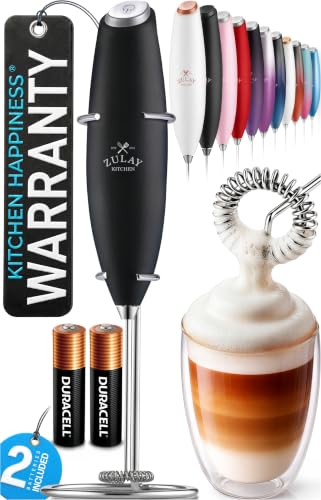
No steam wand? A handheld frother or electric frother works for both drinks. Our guide on how to froth milk at home covers every method, and a milk frothing pitcher makes pouring easier.
Best Milk for Cappuccinos and Lattes
Whole milk is the easiest for both drinks because its fat and protein create stable, creamy foam. Skim milk makes stiff, airy foam that suits dry cappuccinos but feels thin in lattes. Among plant milks, barista style oat milk steams best and tastes creamy; soy foams well; almond and coconut can separate unless they are barista blends.
Best Coffee for Cappuccinos and Lattes
Medium dark to dark roast espresso works best in both drinks because its chocolate and caramel notes cut through milk. Light roasts can taste sour or weak under milk, especially in a large latte. If you prefer a lighter flavor, use a medium roast and a smaller latte. Our guide to the best coffee beans for espresso lists good choices for milk drinks.
Machines for Making Both Drinks
Any espresso machine with a steam wand, or a super-automatic machine with a milk system, can make both cappuccinos and lattes. Machines with one touch drink buttons let you choose each with no skill required. Our guides to the best coffee maker for cappuccino and the best coffee maker for latte compare models.
Cappuccino vs Latte vs Flat White
A flat white sits between the two: it uses a double shot with a small amount of steamed milk and a very thin layer of velvety microfoam, in a 5 to 6 ounce cup. It tastes stronger than a latte but smoother than a cappuccino. If you like a cappuccino's coffee strength but prefer silky milk, try a flat white.
Which Should You Choose?
Choose a cappuccino if you love espresso flavor, want a smaller drink with fewer calories and enjoy airy foam. Choose a latte if you want a larger, creamier and milder drink, plan to add flavor syrups or want to pour latte art.
- Coffee forward and foamy: cappuccino.
- Creamy, mild and large: latte.
- Fewer calories: cappuccino.
- Flavored drinks: latte.
- Latte art: latte.
Keep Your Machine Clean
Milk drinks leave residue in steam wands and milk systems that turns sour quickly. Purge and wipe the steam wand after every use, clean milk frothers daily and descale on schedule. Our guide on how to clean a coffee maker explains the basics. Browse more drink guides in our coffee guides section.
FAQs About Cappuccino vs Latte
What is the main difference between a cappuccino and a latte?
The amount of milk and foam. A cappuccino has equal parts espresso, steamed milk and thick foam. A latte has much more steamed milk and only a thin layer of foam.
Which has more caffeine, a cappuccino or a latte?
They have the same caffeine when made with the same number of shots. A cappuccino just tastes stronger because it has less milk.
Is a cappuccino sweeter than a latte?
A latte tastes sweeter because steamed milk has natural sweetness, and there is more of it. A cappuccino tastes more like coffee.
Which is healthier?
A cappuccino usually has fewer calories because it has less milk. Milk choice and syrups matter more than the drink type.
Can I make a cappuccino without an espresso machine?
Yes. Use strong coffee from a moka pot or AeroPress and froth milk with a handheld or electric frother.
What is a dry cappuccino?
A dry cappuccino has more foam and less steamed milk, making it lighter and stronger tasting.
Can I make latte art on a cappuccino?
Yes, but it is harder because thick, airy foam does not flow as smoothly as latte microfoam. Baristas often pour simple hearts on cappuccinos using slightly wetter foam. For detailed designs like rosettas and tulips, a latte's silky milk works best.
Which is better iced, a cappuccino or a latte?
Iced lattes are far more common because cold milk blends smoothly with espresso over ice. An iced cappuccino uses cold foam on top, which gives a light, creamy layer over a stronger drink.
Bottom Line
In cappuccino vs latte, both use the same espresso, so the choice is about milk. A cappuccino gives you a smaller, stronger, foamy drink with fewer calories, and a latte gives you a larger, creamier and milder drink that is perfect for flavors and latte art. Try both and let your taste decide.


