Percolator vs Drip Coffee Maker: Which Brews Better Coffee?
Disclosure: We may earn a commission when you buy through links on this page, at no extra cost to you. As an Amazon Associate I earn from qualifying purchases. Learn more

Percolator vs drip coffee maker: bold, hot and rugged or clean, smooth and programmable.
The difference in percolator vs drip coffee maker comes down to how water meets the coffee. A percolator cycles boiling water up through a tube and over the grounds again and again, producing a hot, bold, robust brew. A drip coffee maker passes hot water through the grounds just once, producing a cleaner, smoother, more consistent cup with programmable convenience. Both make a full pot for a household; they simply suit different tastes and routines.
Below we compare how each works, taste, strength, temperature, convenience, durability, cost and cleaning, then help you choose.

Percolator vs Drip Coffee Maker: Quick Comparison
| Factor | Percolator | Drip coffee maker |
|---|---|---|
| Brewing method | Recirculates boiling water through the grounds | Hot water passes through the grounds once |
| Taste | Bold, robust, can be bitter if over brewed | Clean, smooth, balanced |
| Coffee temperature | Very hot | Hot, depends on the machine |
| Filter | Permanent metal basket | Paper or permanent mesh filter |
| Grind | Coarse | Medium |
| Convenience | Stovetop needs attention; electric is automatic | Automatic, often programmable |
| Power | Stovetop works without electricity | Electric only |
| Durability | Very simple, few parts | More electronics and parts |
How Each One Works
Percolator
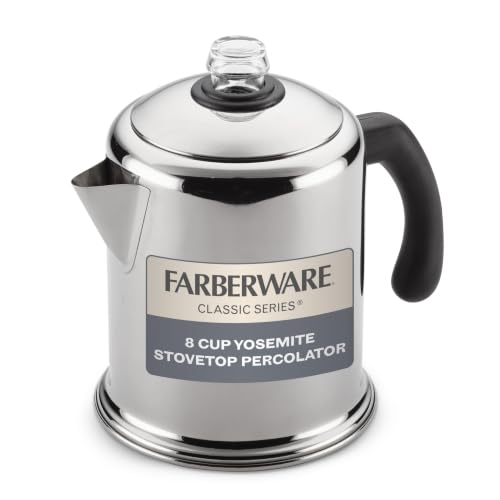
A percolator has a pot of water, a central stem and a basket of coffee near the top. As the water heats, it rises through the stem and sprinkles over the grounds, then drips back into the pot. This cycle repeats until you take the pot off the heat or, in an electric model, until the thermostat stops it. Because the coffee passes through the grounds many times, it extracts a lot of flavor and body.
Drip Coffee Maker
A drip machine heats water and showers it over coffee in a filter basket. The coffee drips through the filter into a carafe below, passing through the grounds only once. Modern drip machines often offer programmable start times, brew strength settings, thermal carafes and temperature control. Paper filters trap most oils and fine particles, producing a clean cup.
Taste and Strength
Percolator coffee tastes bold, hearty and very hot. Many people love its old fashioned, robust character, especially with cream and sugar. The tradeoff is that repeated extraction can pull out bitter compounds if the coffee perks too long, too hot or with grounds that are too fine.
Drip coffee tastes cleaner and smoother, with clearer flavors and less bitterness. A good drip machine with water around 195 to 205°F extracts coffee evenly, which highlights the beans' natural sweetness. If you enjoy tasting the differences between coffees, drip usually shows them more clearly.
Temperature
Percolators brew at or near boiling, so the coffee is very hot when served. Drip machines vary: inexpensive models may brew below ideal temperatures, while certified specialty brewers hold water in the 195 to 205°F range. Coffee kept on a hot plate keeps cooking and can taste burnt, which is why thermal carafes are popular on drip machines.
Convenience
Drip coffee makers win for convenience. You add water and coffee, press a button or set a timer, and walk away. Many have auto shut-off and keep warm features.
Electric percolators are also automatic: plug in, wait for the ready light and serve. Stovetop percolators require attention to heat and timing but work anywhere you have a flame, including campsites and power outages. If you want coffee ready when you wake up, a programmable drip machine is easier.
Capacity
Both commonly brew 8 to 12 cups. Remember that coffee makers count cups as about 5 or 6 ounces, not full mugs. Percolators range from 4 cups to large party urns, while drip machines range from single serve brewers to 14 cup models.
Durability and Maintenance
Percolators are simple, with few parts: a pot, stem, basket and lid, plus a heating element in electric models. Stainless steel percolators can last for decades. Drip machines have pumps, heating elements, electronics and displays that can wear out over time, though good models still last years.
Both need regular cleaning. Percolator stems and baskets collect oils and should be scrubbed with a narrow brush. Drip machines need regular descaling to remove mineral buildup that slows brewing and affects taste.
Cost
Stovetop percolators are inexpensive, often under $40. Electric percolators usually cost $50 to $80. Drip coffee makers range from about $25 for basic models to $200 or more for specialty certified brewers. Running costs are similar: mostly coffee, plus paper filters for many drip machines.
Which Coffee Works Best?
Percolators work best with coarse grounds and medium or medium dark roasts. Very dark roasts can taste harsh after repeated brewing. Drip machines use a medium grind and suit almost any roast, from bright light roasts to rich dark blends. Pre-ground grocery coffee is usually ground for drip machines and is too fine for most percolators.
How to Get the Best From a Percolator
Use a coarse grind and about 1 tablespoon of coffee per 5 ounce cup. On a stovetop, heat until the first perk, then lower the heat to a gentle perk for 7 to 10 minutes. Remove the basket right after brewing. Electric models handle timing automatically. See our guide on how to use a percolator for step by step instructions, and compare models in the best coffee percolator guide.
How to Get the Best From a Drip Machine
Use a medium grind and a ratio of about 1 gram of coffee to 16 grams of water, or roughly 2 tablespoons per 6 ounces. Use filtered water, descale every month or two, and pour coffee into a thermal carafe if your machine has a hot plate. Our guide to the best drip coffee maker compares top models.
Which Should You Choose?
Choose a Percolator If
- You love very hot, bold, robust coffee.
- You want a durable pot with few parts.
- You camp, cook on a stove or want coffee during power outages.
- You serve groups and like the traditional style.
Choose a Drip Coffee Maker If
- You prefer a clean, smooth, balanced cup.
- You want programmable, hands-free brewing.
- You enjoy tasting the nuances of different coffees.
- You want features like brew strength and thermal carafes.
Can You Own Both?
Many households do. A drip machine handles everyday weekday coffee, while a stovetop percolator comes out for camping trips, cabins and holiday gatherings. Since stovetop percolators are inexpensive, they also make a sensible backup for power outages and winter storms.
For more brewing comparisons and how-to guides, browse our coffee guides.
Cleaning Both Brewers
Rinse percolator parts after each use and scrub the stem with a narrow brush. Every few weeks, perk a mixture of water and baking soda or vinegar, then rinse with clean water cycles. For drip machines, wash the carafe and basket daily and descale regularly with a descaling solution or vinegar if the manual allows. Our guide on how to clean a coffee maker explains both routines.
A Brief History
Percolators were the dominant home coffee maker in the United States for much of the twentieth century, and many people still associate their aroma with family breakfasts. Automatic drip machines arrived in the 1970s and quickly took over because they were more convenient and produced a cleaner, less bitter cup. Today percolators remain popular with campers, cabin owners, churches and anyone who loves strong, very hot coffee, while drip machines dominate everyday kitchens.
Best Uses for Each
Where Percolators Shine
Percolators are excellent for camping, power outages and cabins without reliable electricity, since stovetop models work over gas, propane or a campfire. Electric percolators are popular for offices, community events and holiday gatherings because they brew large batches quickly and keep coffee piping hot. Their simple design also makes them durable and easy to repair.
Where Drip Machines Shine
Drip coffee makers suit busy weekday mornings, when a programmable timer can have coffee ready as you wake. They are also better for coffee lovers who buy specialty beans and want to taste fruity or floral notes clearly. Features like brew strength controls, small batch settings and thermal carafes make them flexible for households with different tastes.
Common Mistakes With Each
With percolators, the biggest mistakes are using fine drip grind coffee, perking on high heat and leaving the basket in after brewing, all of which make coffee bitter. With drip machines, common mistakes include using too little coffee, skipping descaling, which slows brewing and dulls flavor, and leaving coffee on the hot plate for hours. A quick routine for each brewer avoids most of these problems.
Which Is Better for Groups?
For large groups, percolators have an edge. Electric percolators brew 12 cups or more quickly and keep coffee very hot for hours without a hot plate, and large percolator urns serve dozens of people at events. Drip machines with 12 to 14 cup carafes work for family gatherings, but you may need to brew several pots, and coffee left on a warming plate can taste burnt. A thermal carafe drip machine is the best drip option for groups.
For one or two people, a drip machine with a small batch setting or a single serve brewer is usually more practical than a large percolator, though small 4 to 6 cup percolators exist.
Whichever you choose, fresh beans, the right grind and a clean brewer matter more than the machine itself. Start with good coffee and filtered water, and either brewer can make a satisfying pot every morning.
FAQs
Which brewer keeps coffee hotter?
A percolator usually serves hotter coffee because it brews near boiling, and electric models keep it hot automatically. Drip machines with thermal carafes keep coffee hot without scorching it.
Can a percolator replace my drip machine?
Yes, if you enjoy bold coffee and do not need a programmable timer. Many people use an electric percolator as their everyday brewer.
Is percolator coffee healthier than drip?
Paper filtered drip coffee removes more natural coffee oils than metal filtered percolator coffee. If that matters to you, drip coffee with a paper filter is the lower oil option.
Does percolator coffee have more caffeine?
It can taste stronger, but caffeine depends mainly on how much coffee you use. Using the same amount of coffee yields broadly similar caffeine.
Why does percolator coffee taste bitter?
Over percolating, high heat, fine grounds or very dark roasts can make it bitter. Keep the perk gentle and remove the basket after brewing.
Can I use regular ground coffee in a percolator?
Regular drip grind is often too fine and can slip through the basket. Use a coarse grind for best results.
Which is easier to clean?
A percolator has fewer parts, but the stem needs scrubbing. Drip machines need regular descaling. Both are manageable with a simple routine.
Bottom Line
In the percolator vs drip coffee maker choice, pick a percolator for hot, bold, traditional coffee and rugged simplicity, and pick a drip machine for clean, smooth, programmable convenience. Both brew a full pot; let your taste and routine decide.