How to Use an AeroPress: Standard, Inverted and Iced Recipes
Disclosure: We may earn a commission when you buy through links on this page, at no extra cost to you. As an Amazon Associate I earn from qualifying purchases. Learn more

How to use an AeroPress for a clean mug, latte concentrate or iced coffee in about two minutes.
Learning how to use an AeroPress takes just a few minutes: put a paper filter in the cap, add medium fine coffee to the chamber, pour hot water, stir, wait about a minute, then press the plunger down slowly into your mug. The result is a clean, smooth cup in about two minutes, and cleanup is as simple as popping out the puck of grounds and rinsing.
This guide covers what you need, the standard method step by step, the inverted method, recipes for lattes, iced coffee and stronger cups, how to adjust taste, accessories and cleaning.


What You Need
- An AeroPress: Original, Clear or XL. Our AeroPress review compares versions.
- Paper micro filters or a reusable metal filter.
- Fresh coffee, ground medium fine.
- Hot water at about 175 to 200°F.
- A sturdy mug that can take the pressure of pressing.
- A scale and timer (optional but helpful).
- The paddle or a spoon for stirring.
How the AeroPress Works
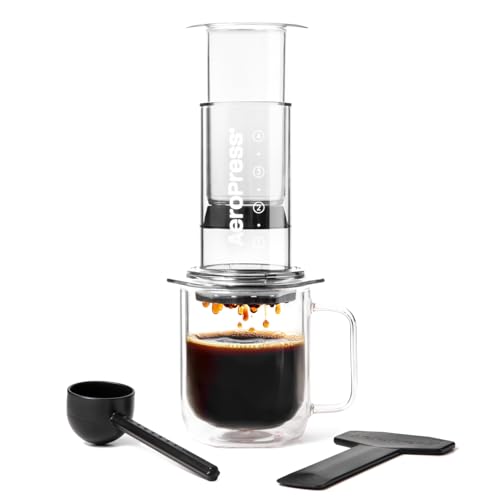
The AeroPress has a chamber, a plunger with a rubber seal and a cap that holds a small filter. Coffee steeps in the chamber like a short immersion brew, then pressing the plunger creates gentle air pressure that pushes the coffee through the filter. The short contact time and paper filter produce a clean, low bitterness cup, while the pressure lets you make concentrated, espresso style coffee for milk drinks.
How to Use an AeroPress: Standard Method
- Heat water to about 185 to 200°F. Use the lower end for dark roasts and the higher end for light roasts.
- Grind coffee. Weigh 15 to 18 grams and grind medium fine, similar to table salt.
- Prepare the filter. Place a paper filter in the cap and rinse it with hot water to remove paper taste and preheat.
- Assemble. Screw the cap onto the chamber and set it on your mug.
- Add coffee. Pour the grounds into the chamber and shake gently to level.
- Add water. Pour about 220 to 250 grams of water, wetting all the grounds.
- Stir. Stir for about 10 seconds.
- Seal and steep. Insert the plunger about half an inch to create a seal, which slows dripping. Wait until about one minute has passed since you started pouring.
- Press. Press down slowly and steadily for 20 to 30 seconds, stopping when you hear a hiss.
- Clean up. Remove the cap, push the puck into the trash or compost and rinse the plunger seal.
The Inverted Method
Many fans brew upside down to prevent coffee from dripping through before pressing. Insert the plunger about a centimeter into the chamber and stand it upside down on the plunger. Add coffee and water, stir and steep for one to two minutes. Rinse a filter in the cap, screw it on, then carefully flip the AeroPress onto your mug in one motion and press.
The inverted method gives a full immersion brew with more body. Be careful: the brewer is top heavy when inverted and full of hot water. A no-drip cap such as the Fellow Prismo gives similar results without flipping.
AeroPress Recipes
Classic Mug
Use 17 grams of medium fine coffee and 240 grams of water at 195°F. Stir, steep for one minute and press. Add a little hot water if you prefer it lighter.
Espresso Style Concentrate
Use 18 grams of finely ground coffee and 90 to 100 grams of water at 200°F. Stir, steep for 30 seconds and press firmly. Drink it short, add hot water for an Americano, or top with frothed milk for a latte.
AeroPress Latte
Make the concentrate above, then add about 6 ounces of steamed or frothed milk. A handheld or electric frother works well; see our guide on how to froth milk at home.
Iced AeroPress
Fill a glass with ice. Brew 18 grams of coffee with 120 grams of hot water, stir, steep for one minute and press directly onto the ice. Stir and top with cold water or milk.
Smooth Cold Brew Style
Using the inverted method, steep 20 grams of coarse coffee in 200 grams of room temperature water for several minutes, stirring often, then press and dilute with cold water. It is not true overnight cold brew but gives a smooth cold coffee quickly.
Adjusting the Taste
- Sour or thin: grind finer, use hotter water or steep longer.
- Bitter or harsh: grind coarser, use cooler water or shorten the steep.
- Too strong: add hot water after pressing.
- Too weak: use more coffee or less water.
- Hard to press: the grind is too fine; go coarser and press more gently.
Change one variable at a time and note what works. The AeroPress is forgiving, so most recipes taste good with small tweaks.
Choosing Coffee and Grind
The AeroPress works with any roast. Light roasts taste bright and fruity; medium roasts taste balanced and sweet; dark roasts become smooth and chocolatey, especially with cooler water. Medium fine is the standard grind; go finer for short brews and concentrates, coarser for longer steeps. Our coffee grind size chart shows texture comparisons.
Filters and Accessories
Paper micro filters give the cleanest cup and are inexpensive; a 350 count pack lasts most people a year. Reusable stainless steel filters let more oils through for a fuller body and eliminate paper waste. The Fellow Prismo cap adds a pressure actuated valve for espresso style coffee and prevents dripping. A gooseneck kettle and a scale make brewing more consistent.
Common Mistakes
- Pressing too hard or too fast, which can squirt coffee and push fines through.
- Using boiling water with dark roasts, which can taste bitter.
- Using a fragile mug, which can crack under pressure.
- Storing the plunger compressed, which wears out the rubber seal.
- Skipping the filter rinse, which can add paper taste.
Cleaning and Care
After each brew, remove the cap and push the puck of grounds out over the trash or compost. Rinse the rubber seal and chamber with water and let them air dry. Wash with warm soapy water occasionally. Store the plunger fully pushed through the chamber or separately, so the seal does not stay compressed. Replace the seal if it stops sealing well or starts to feel loose in the chamber.
For larger batches or a heavier cup, compare the AeroPress with a French press in our AeroPress vs French press guide, and explore more methods in our coffee guides.
Travel Tips
The AeroPress is ideal for travel. Pack it with a small hand grinder, a stack of filters and a bag of beans. Hotel kettles usually boil water; let it rest 30 to 60 seconds before brewing. Press directly into a travel mug, and clean up with a quick rinse in the sink.
Brewing for Two
A standard AeroPress makes one generous mug at a time, but you can brew a concentrate and dilute it to serve two. Use about 30 grams of coffee and 200 grams of water at 200°F, stir, steep for one minute and press into a carafe. Add about 200 grams of hot water, stir, and split between two mugs. The AeroPress XL brews larger amounts directly if you regularly make coffee for two or more.
Water and Temperature Tips
Use filtered water that tastes clean, since the AeroPress highlights subtle flavors. Lower temperatures around 175 to 185°F reduce bitterness with dark roasts and some recipes, while 195 to 200°F brings out sweetness in light roasts. If you do not have a thermometer, let boiled water rest for about 30 to 60 seconds. Keeping water temperature consistent from day to day makes it easier to tune your recipe.
Keeping Your Coffee Gear Clean
The AeroPress itself is simple to clean, but your kettle, grinder and mugs need attention too. Descale your kettle every month or two if you have hard water, and brush out your grinder regularly so stale oils do not affect flavor. Our guide on how to clean a coffee maker covers descaling and care routines for the rest of your coffee setup.
AeroPress vs Other Brewers
Compared with a French press, the AeroPress brews faster, cleans up more easily and leaves almost no sediment, though it makes smaller batches. Compared with pour over, it is more forgiving and portable, while pour over gives a slightly brighter cup and handles larger carafes. Compared with an espresso machine, it costs far less and travels anywhere, but it cannot produce true espresso or steam milk.
Choosing the Right AeroPress
The Original AeroPress is the best value for most people and includes filters to start. The Clear version uses the same design in shatterproof Tritan, letting you watch the brew. The XL brews larger batches and includes a carafe, which suits couples or anyone who wants more coffee per press. All versions use the same basic method described in this guide, so the steps and recipes apply to each one. See our AeroPress vs French press comparison if you are deciding between brewers.
FAQs
Which way up should I put the filter cap?
Screw the cap onto the chamber with the filter inside so the cap's holes face your mug. The filter sits flat against the cap.
Can I reuse AeroPress paper filters?
Many people rinse and reuse a paper filter a few times, though a fresh filter gives the most consistent cup. Reusable metal filters are another option.
What mug works best with an AeroPress?
Use a sturdy ceramic or stainless mug with a wide, flat rim. Thin glass mugs can crack under the pressure of pressing, and narrow mugs may not support the chamber securely.
How do I make AeroPress coffee less bitter?
Use cooler water around 185°F, grind slightly coarser and shorten the steep. Pressing gently also helps.
How long should I steep coffee in an AeroPress?
About one minute for a standard mug, 30 seconds for concentrate, and up to two minutes with the inverted method.
What water temperature is best?
About 185 to 200°F. Lower temperatures suit dark roasts; higher temperatures suit light roasts.
How much coffee do I use?
About 15 to 18 grams for a mug, or 18 grams with 90 to 100 grams of water for concentrate.
Is the inverted method better?
It gives a fuller immersion brew, but it requires care when flipping. The standard method with a partial plunger seal works well too.
Can I make espresso with an AeroPress?
It makes strong, espresso style concentrate, but not true espresso with crema.
Final Thoughts
Now that you know how to use an AeroPress, you can make a clean, smooth mug, a latte concentrate or iced coffee in about two minutes. Start with 17 grams of medium fine coffee, 240 grams of water at about 195°F, a one minute steep and a slow press, then adjust grind and time to taste.