
Moka Pot vs Espresso Machine: Which Should You Buy?
Disclosure: We may earn a commission when you buy through links on this page, at no extra cost to you. As an Amazon Associate I earn from qualifying purchases. Learn more
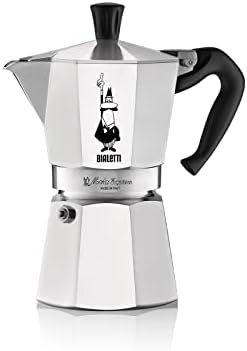
Moka pot vs espresso machine: how they differ in taste, cost, skill and milk drinks, and which suits your kitchen.
The choice between a moka pot vs espresso machine comes down to pressure, price and how close to café espresso you want to get. A moka pot is an inexpensive stovetop brewer that makes strong, rich coffee at about 1 to 2 bars of pressure. An espresso machine pushes water through finely ground coffee at about 9 bars, producing true espresso with crema and the ability to steam milk for latte art. Both make great milk drinks; they just suit different budgets and routines.
Below we compare how each works, taste, cost, speed, skill, maintenance and milk drinks, then help you decide which belongs in your kitchen.

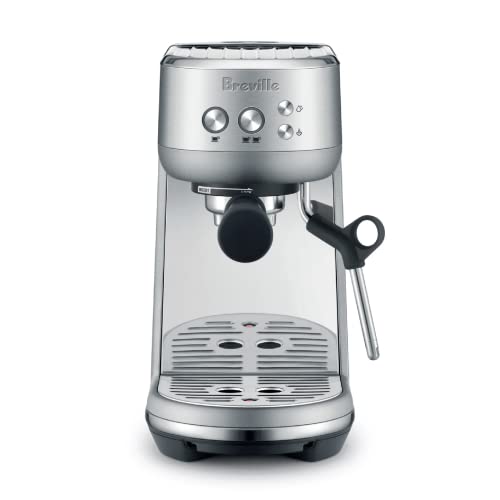

Moka Pot vs Espresso Machine: Quick Comparison
| Factor | Moka pot | Espresso machine |
|---|---|---|
| Brewing pressure | About 1 to 2 bars (steam) | About 9 bars (pump or lever) |
| Result | Strong, rich coffee, little crema | True espresso with crema |
| Typical price | Around $25 to $60 | Around $100 to $1,000 or more |
| Power | Stovetop, no electricity | Electric |
| Milk drinks | Needs a separate frother | Steam wand or milk system on many models |
| Skill | Easy after a few tries | Moderate to high for manual machines |
| Grinder needed | Optional (pre-ground works) | Strongly recommended for manual machines |
| Counter space | Very small | Medium to large |
How Each Brewer Works
Moka Pot
A moka pot heats water in a bottom chamber on the stove. Steam pressure pushes the hot water up through a basket of fine ground coffee and into the top chamber. The process takes about five minutes and needs no electricity. The pressure is low compared with espresso, so the coffee is concentrated and strong but not as thick or syrupy as a shot from an espresso machine.
Espresso Machine
An espresso machine heats water to a controlled temperature and uses a pump to force it through tightly packed, finely ground coffee at around 9 bars of pressure in about 25 to 35 seconds. This extracts oils and dissolved solids quickly, creating a small, intense shot topped with crema. Machines range from manual semi-automatics, where you grind and tamp, to super-automatics that grind, tamp and brew at the touch of a button.
Taste and Texture
Espresso from a good machine is thick, sweet and complex, with a layer of golden crema and a lingering finish. It is the base of classic café drinks and tastes concentrated without being harsh when dialed in correctly.
Moka pot coffee is strong and bold, often described as somewhere between drip coffee and espresso. It has more body than drip, a slightly more bitter edge, and little or no crema. Many people love its robust, traditional flavor, especially in milk drinks. With careful heat control and fresh coffee, moka coffee can be smooth and sweet.
Cost
Moka pots are among the cheapest ways to make strong coffee, usually around $25 to $60, and they last for years with simple care. Espresso machines start around $100 for basic pump models and rise quickly. Quality semi-automatic machines often cost several hundred dollars, and you should budget for a capable grinder too. Super-automatic machines cost more still but include grinders and milk systems.
Running costs are similar for both: mostly coffee and occasional parts, such as moka pot gaskets or espresso machine water filters and descaling solution.
Speed and Convenience
A moka pot takes about five minutes from start to finish and needs your attention while it brews. Cleaning afterward is a quick rinse under the tap. An espresso machine needs time to heat up, which ranges from a few seconds on fast heating models to 15 minutes or more on larger machines, but each shot takes under a minute. Super-automatic machines are the most convenient: press a button and walk away.
Skill and Learning Curve
Moka pots are easy to learn. The main skills are filling the basket correctly, using moderate heat and removing the pot at the right moment. Most people get consistent results after a few tries.
Manual espresso machines take more practice. You need to grind fresh coffee to the right fineness, dose and tamp evenly, and adjust grind size to dial in each new bag of beans. Steaming milk for latte art is a skill of its own. Super-automatic and pod machines remove most of this learning curve.
Milk Drinks
If you love lattes and cappuccinos, consider how you will texture milk. Many espresso machines include a steam wand that produces silky microfoam for latte art, and some super-automatics have built-in milk systems. A moka pot has no milk function, so you will need a handheld or electric frother. Pairing a moka pot with an electric frother is an affordable way to make good milk drinks; see our guide to the best milk frother.
Maintenance
Moka pots need a quick rinse with water after each use, regular checks of the gasket and filter plate, and occasional gasket replacement. Most manufacturers recommend no soap or dishwasher for aluminum pots.
Espresso machines need more care: backflushing or cleaning the group head, purging and wiping the steam wand, regular descaling and, for super-automatics, cleaning the brew unit and milk system. Skipping maintenance affects taste and can shorten the machine's life. Our guide to coffee maker maintenance covers routines for every brewer.
Space and Portability
A moka pot fits in a small cupboard and travels easily for camping or vacation rentals with a stove. Espresso machines need dedicated counter space near an outlet, and a grinder takes more room. If your kitchen is small or you rent an apartment with limited counters, a moka pot is a big advantage.
Drinks Each One Does Best
Moka Pot Favorites
Moka coffee shines in drinks where boldness helps. A moka latte with plenty of frothed milk balances its strength nicely. Café cubano, made by whipping the first drops of coffee with sugar into a sweet foam, is a classic moka pot drink. Moka coffee also makes a strong iced coffee base and works well diluted with hot water for an Americano style mug.
Espresso Machine Favorites
An espresso machine opens up the full café menu: straight espresso, ristretto, cortado, flat white, cappuccino and latte, with silky microfoam for latte art. Shots pulled to order also make excellent affogato poured over ice cream, and many machines handle Americanos with a hot water spout.
Cost Over Time
Think about total cost over a few years, not just the purchase price. A moka pot and an electric milk frother together often cost under $100, and the only ongoing parts are gaskets. An entry level espresso machine plus a capable grinder can run several hundred dollars, and super-automatic machines can cost a thousand dollars or more, plus water filters and descaling supplies. Either option costs far less than buying café drinks every day, so the right choice depends on how much you value true espresso and steamed milk.
Cleaning Routines Compared
After each use, a moka pot needs only a rinse and air dry. An espresso machine needs the portafilter emptied and rinsed, the steam wand purged and wiped, and the drip tray emptied regularly. Both benefit from descaling if your water is hard, though moka pots rarely build heavy scale. For step by step routines, see our guide on how to clean a coffee maker.
Which Should You Choose?
Choose a Moka Pot If
- You want strong coffee on a small budget.
- You have limited counter space or want a portable brewer.
- You are happy using a separate frother for milk drinks.
- You enjoy a simple, traditional brewing ritual.
Compare models in our guide to the best moka pot, and learn the method in how to use a moka pot.
Choose an Espresso Machine If
- You want true espresso with crema.
- You want to steam milk for latte art.
- You are willing to invest in a machine and grinder.
- You make several espresso drinks a day.
See our picks for the best espresso machine for every budget.
Can You Have Both?
Many coffee lovers own both. An espresso machine handles everyday shots and milk drinks at home, while a moka pot comes along on trips or makes a quick strong batch for guests. Since a moka pot costs little, it is also an affordable way to discover whether you enjoy concentrated coffee before investing in an espresso setup.
Other Alternatives to Consider
If neither option feels right, a few other brewers sit between them. An AeroPress makes a concentrated, espresso style coffee with a little hand pressure and is cheap, portable and easy to clean. Pod espresso machines, such as Nespresso Original models, make consistent shots with almost no skill and pair well with an automatic milk frother. Super-automatic machines cost more but grind, brew and froth at the push of a button, which suits busy households that want café drinks without learning barista skills.
Coffee and Grind for Each
Both brewers use fine grounds, but espresso needs a finer, more precise grind than a moka pot. Moka pots work well with pre-ground espresso coffee or a grind slightly coarser than espresso. Espresso machines perform best with freshly ground beans and a grinder that adjusts in small steps; see our guide to the best coffee grinder for espresso. Medium and dark roasts are classic for both, though light roasts can shine in a well tuned espresso machine.
Explore more comparisons in our coffee guides.
FAQs
Is moka pot coffee the same as espresso?
No. It is strong and concentrated but brewed at much lower pressure, so it lacks the crema and syrupy texture of true espresso.
Can I make a latte with a moka pot?
Yes. Mix moka coffee with milk frothed by a handheld or electric frother for a satisfying latte.
Is a moka pot stronger than espresso?
Ounce for ounce, espresso is usually more concentrated. Moka coffee is stronger than drip coffee but typically a little less intense than espresso.
Which is easier to clean?
A moka pot is easier: rinse it with water. Espresso machines need regular cleaning, backflushing and descaling.
Which is better for beginners?
A moka pot is easier and cheaper to start with. If you want espresso without the learning curve, a pod machine or super-automatic espresso machine is the simplest machine option.
Do I need a grinder for a moka pot?
No. Pre-ground espresso or moka coffee works well, though fresh grinding improves flavor.
Bottom Line
In the moka pot vs espresso machine decision, a moka pot gives you strong, rich coffee for very little money and space, while an espresso machine delivers true espresso, crema and steamed milk for café style drinks. Start with a moka pot and a frother if you are on a budget or short on space, and invest in an espresso machine when you are ready for the full café experience.


