
Arabica vs Robusta Coffee: Taste, Caffeine and Uses
Disclosure: We may earn a commission when you buy through links on this page, at no extra cost to you. As an Amazon Associate I earn from qualifying purchases. Learn more

Arabica vs Robusta coffee compared, from flavor and caffeine to crema, growing regions and blends.
Arabica vs Robusta coffee is a choice between sweetness and strength: Arabica tastes sweeter, softer and more aromatic with higher acidity, while Robusta tastes stronger, more bitter and earthy, with about twice the caffeine and a thicker crema. Arabica makes up most specialty coffee, and Robusta is common in Italian espresso blends, instant coffee and high caffeine coffees. Choose Arabica for flavor and nuance, and a blend with some Robusta for bold espresso, crema and a caffeine kick.
Below we compare the two species side by side, explain where and how each grows, how they taste, how much caffeine they contain, why blends combine them, which to buy for different brew methods and answers to common questions.

Arabica vs Robusta Coffee: Quick Comparison
This table sums up the key differences between the two main coffee species.
| Factor | Arabica | Robusta |
|---|---|---|
| Species | Coffea arabica | Coffea canephora |
| Share of world production | About 55 to 60 percent | About 40 to 45 percent |
| Flavor | Sweet, fruity, floral, nuanced | Strong, bitter, earthy, nutty |
| Acidity | Higher | Lower |
| Caffeine | About 1.2 to 1.5 percent | About 2.2 to 2.7 percent |
| Sugar and lipids | More | Less |
| Crema in espresso | Thinner | Thicker, longer lasting |
| Growing altitude | Higher, about 2,000 to 6,500 feet | Lower, sea level to about 3,000 feet |
| Hardiness | Delicate, disease prone | Hardy, pest resistant |
| Price | Higher | Lower |
What Is Arabica Coffee?
Arabica coffee comes from the Coffea arabica plant, which originated in the highlands of Ethiopia and now grows across Latin America, Africa and Asia. It is the most widely grown coffee species and the basis of nearly all specialty coffee.
Arabica grows best at high altitudes with cool temperatures and steady rainfall, which slows cherry ripening and builds sugars and acids. The plant is delicate, vulnerable to pests, disease and frost, and produces lower yields, which makes Arabica more expensive. Its beans are oval with a curved center crease.
What Is Robusta Coffee?
Robusta coffee comes from the Coffea canephora plant, native to central and western Africa. Today Vietnam is the largest producer, followed by Brazil, Indonesia and Uganda.
As the name suggests, Robusta is hardy. It grows at lower altitudes, tolerates heat and resists many pests and diseases, partly thanks to its high caffeine content, which acts as a natural insect deterrent. It produces higher yields at lower cost. Robusta beans are smaller and rounder, with a straighter center crease.
Where Are Arabica and Robusta Grown?
Arabica is grown mainly in Latin America and East Africa, while Robusta is grown mainly in Southeast Asia, Brazil and Central and West Africa.
Top Arabica Origins
Brazil is the largest Arabica producer, followed by Colombia, Ethiopia, Honduras, Peru, Guatemala and Mexico. Kenya, Costa Rica, Panama and Rwanda are smaller producers known for high quality specialty lots.
Top Robusta Origins
Vietnam produces the most Robusta by far, followed by Brazil (where it is called conilon), Indonesia, Uganda and India. India and Uganda are known for some of the finest washed Robustas.
Popular Arabica Varieties
Arabica includes many varieties, each with its own flavor. Typica and Bourbon are the classic heirloom varieties behind much of Latin America's coffee, known for sweetness and balance. Caturra and Catuai are compact, high yielding descendants of Bourbon. Geisha, made famous in Panama, is prized for floral, jasmine and tea like notes and sells at premium prices. Kenyan SL28 and SL34 give bold, juicy, blackcurrant flavors. Ethiopian heirloom varieties produce the floral, citrusy coffees of Yirgacheffe and Sidamo.
Robusta has far fewer named varieties, though selected clones are grown for better cup quality and disease resistance.
How Do Arabica and Robusta Taste?
Arabica tastes sweeter and more complex, while Robusta tastes stronger and more bitter. Arabica has nearly twice the sugar of Robusta and more aromatic oils, which gives flavors like berries, citrus, caramel, chocolate and flowers, along with a pleasant brightness.
Robusta has less sugar, more chlorogenic acids and more caffeine, which together create a bold, bitter, earthy and sometimes woody or rubbery taste. High quality Robusta, often called "fine Robusta", can taste of dark chocolate, peanuts and cereal with a heavy body.
Which Has More Caffeine?
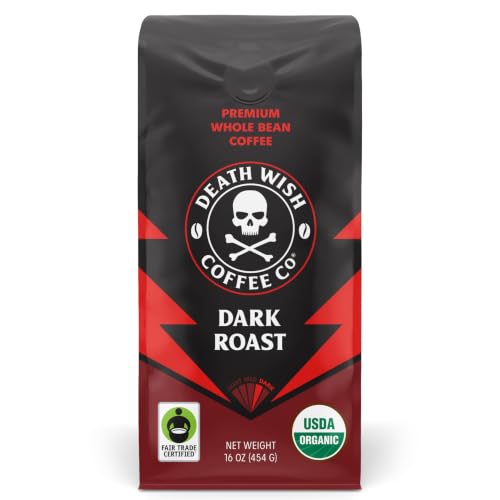
Robusta has roughly twice the caffeine of Arabica, about 2.2 to 2.7 percent by weight compared with about 1.2 to 1.5 percent. That is why high caffeine coffees like Death Wish blend Robusta with Arabica. A cup made with 100 percent Robusta can contain far more caffeine than a typical Arabica cup brewed the same way.
Why Is Robusta Used in Espresso?
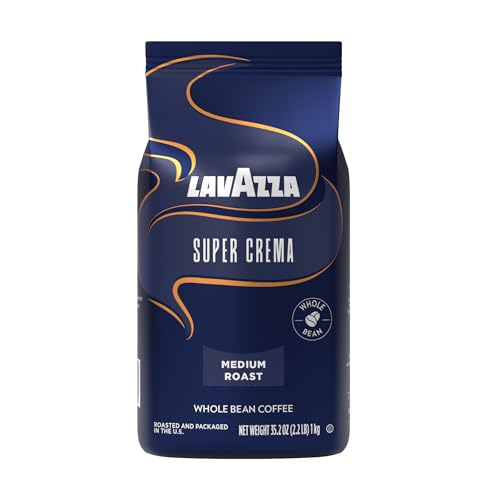
Robusta is used in espresso because it creates a thick, long lasting crema, adds body and adds a bold, bitter backbone that stands up to milk. Many classic Italian espresso blends, such as Lavazza Super Crema and Caffè Borbone, include a share of Robusta for these reasons. Southern Italian blends often use more Robusta than northern ones.
A small amount of Robusta, around 10 to 30 percent, can make espresso taste richer and more traditional without overwhelming the sweetness of Arabica. Our guide to the best coffee beans for espresso includes both styles.
Why Is Arabica More Expensive?
Arabica costs more because it is harder to grow. It needs high altitude, specific climate conditions and careful farming, produces lower yields and is more vulnerable to disease such as coffee leaf rust. Specialty Arabica is often hand picked and processed with extra care. Robusta's hardiness and high yields keep its price lower, which is why it is common in instant coffee and budget blends.
Arabica and Robusta in Blends
Many coffees blend the two to balance flavor, body, crema, caffeine and cost. Blends labeled 100 percent Arabica highlight sweetness and aroma. Blends that mention Robusta usually aim for a bolder, more traditional espresso or a stronger, cheaper cup. Reading the label tells you what to expect.
- 100 percent Arabica: sweeter, more aromatic, more acidic, less caffeine.
- Mostly Arabica with some Robusta: classic espresso balance with crema.
- Mostly Robusta: very strong, bitter, high caffeine, heavy crema.
Which Is Better for Each Brew Method?
Arabica is better for pour over, drip and light roast brewing, and Robusta blends are better for espresso, moka pot, Vietnamese coffee and strong milk drinks.
Pour Over and Drip
Arabica's clarity and aroma shine in filter brewing. Robusta can taste flat or harsh in a pour over.
Espresso and Moka Pot
Arabica and Robusta blends produce more crema and body. All Arabica espresso tastes sweeter and brighter.
Vietnamese Coffee
Traditional Vietnamese coffee uses dark roasted Robusta brewed in a phin filter and mixed with sweetened condensed milk, which balances its bitterness.
Cold Brew
Both work. Arabica gives a smoother, sweeter cold brew, while Robusta adds strength and body.
Is Robusta Bad Coffee?
No. Robusta has a reputation for low quality because much of it is grown and processed for price, not flavor. Carefully farmed and processed fine Robusta can be excellent, with chocolate and nutty notes, and it plays an important role in espresso. Arabica can also be poor if it is old or badly roasted. Quality depends on farming, processing, freshness and roasting as much as on species.
Arabica, Robusta and Climate Change
Climate change threatens Arabica more than Robusta. Arabica needs cool, stable conditions, and rising temperatures, irregular rain and spreading diseases such as coffee leaf rust are shrinking the land where it grows well. Robusta tolerates heat better, so researchers and farmers are paying more attention to high quality Robusta and to hybrids that combine Robusta's hardiness with Arabica's flavor. This may mean better Robusta coffees on shelves in the coming years.
Does Roast Level Matter More Than Species?
Roast level often changes flavor as much as species. A dark roasted Arabica can taste smoky and bitter, close to a Robusta blend, while a carefully roasted fine Robusta can taste chocolatey and smooth. Light roasts show the most difference between the species, because Arabica's sweetness and acidity come through clearly. If you prefer bold, dark coffee, the species matters less than freshness and roast quality.
Other Coffee Species: Liberica and Excelsa
Beyond Arabica and Robusta, small amounts of Liberica and Excelsa coffee are grown, mostly in Southeast Asia and West Africa. Liberica has large, irregular beans and a smoky, woody, sometimes floral flavor. Excelsa, now classified as a variety of Liberica, adds tart, fruity notes to blends. Together they make up only a tiny share of world production.
How to Tell If Coffee Is Arabica or Robusta
The easiest way is the label: most specialty coffees say "100 percent Arabica", while blends usually list Robusta. If the label says nothing, the coffee may contain Robusta, especially in instant coffee and low cost blends. Whole beans also give clues: Arabica beans are larger and oval with a curved crease, while Robusta beans are smaller, rounder and have a straight crease.
How to Store Arabica and Robusta Coffee
Store both in an opaque, airtight container at room temperature, away from light, heat and moisture. Arabica's higher oil and sugar content can make it taste stale a little sooner once opened, so use beans within 2 to 4 weeks of opening for the best flavor. Our guide to the best coffee canister compares storage options.
Keep Your Coffee Maker Clean
Whichever beans you choose, a clean brewer keeps flavors true. Coffee oils build up in baskets, carafes and espresso group heads and turn rancid. Clean removable parts after use and descale on schedule; our guide on how to clean a coffee maker explains how. Browse more guides in our coffee guides section, or compare roasts in our light roast vs dark roast coffee guide.
FAQs About Arabica vs Robusta
Is Arabica or Robusta stronger?
Robusta is stronger in caffeine and taste. It has about twice the caffeine of Arabica and a bolder, more bitter flavor.
Which coffee bean is healthier?
Neither is clearly healthier. Robusta has more caffeine and chlorogenic acids, and Arabica has more sugars and oils. If you limit caffeine, Arabica is the gentler choice.
Is Starbucks Arabica or Robusta?
Starbucks states that it uses 100 percent Arabica beans for its coffees.
Is instant coffee Arabica or Robusta?
Many instant coffees use Robusta or a blend because it is cheaper and stronger. Premium instants, like Mount Hagen and Starbucks VIA, use Arabica.
Why does my espresso blend contain Robusta?
Robusta adds crema, body and bitterness that many people expect in traditional Italian espresso, especially with milk.
Can I drink 100 percent Robusta coffee?
Yes. It is very strong and bitter, so it is often served with sweetened condensed milk, as in Vietnamese coffee.
Does Robusta taste burnt?
Low grade Robusta, especially when roasted very dark, can taste harsh, rubbery or burnt. Fine Robusta roasted with care tastes chocolatey and nutty instead. Freshness and roast quality make a big difference.
Which is better for cold brew, Arabica or Robusta?
Arabica makes a smoother, sweeter cold brew, while a little Robusta adds strength and body. Many people prefer a dark roast Arabica or a blend with a small share of Robusta for cold brew concentrate.
Bottom Line
In the Arabica vs Robusta coffee debate, Arabica wins for sweetness, aroma and complexity, and Robusta wins for caffeine, body and crema. Choose 100 percent Arabica for pour over, drip and black coffee, and a blend with some Robusta for bold espresso, milk drinks and an extra caffeine kick.


