
How to Dial In Espresso for Sweet, Balanced Shots
Disclosure: We may earn a commission when you buy through links on this page, at no extra cost to you. As an Amazon Associate I earn from qualifying purchases. Learn more

How to dial in espresso step by step, from the starting recipe to reading taste and fixing common problems.
To learn how to dial in espresso, keep your dose fixed, change only the grind and taste every shot until it is sweet and balanced. Start with a recipe of 18 grams of coffee in, 36 grams of espresso out, in 25 to 30 seconds. If the shot runs fast and tastes sour, grind finer; if it runs slow and tastes bitter, grind coarser. Once the time is close, fine tune the ratio by taste. Most new bags of beans need two to five shots to dial in.
Below we explain the variables that matter, a step by step dialing in method, how to read taste, how to adjust for different roasts, the tools that help, common problems and fixes, and answers to frequent questions.

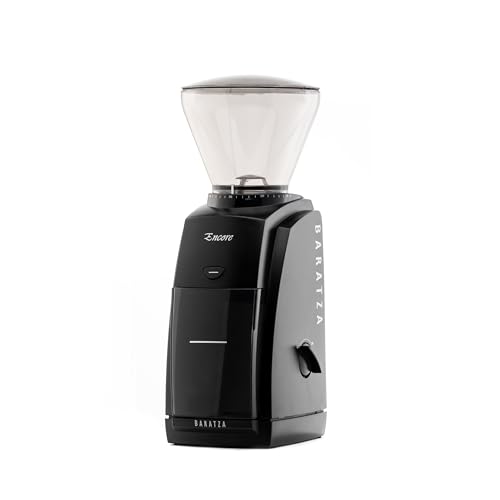

What Does Dialing In Espresso Mean?
Dialing in espresso means adjusting your recipe, mainly the grind size, so a coffee extracts properly and tastes its best on your machine. Every coffee is different: roast level, origin, age and humidity all change how fast water flows through the grounds. Dialing in finds the setting where sweetness, acidity and bitterness are in balance.
The Four Variables That Matter
Four variables control an espresso shot: dose, yield, time and grind. Temperature and pressure matter too, but most home machines set them for you.
| Variable | What it is | Typical starting point |
|---|---|---|
| Dose | Weight of ground coffee in the basket | 18 g for a double basket |
| Yield | Weight of espresso in the cup | 36 g (1:2 ratio) |
| Time | Seconds from pump start to stop | 25 to 30 seconds |
| Grind | Particle size; controls flow | Fine, like table salt |
| Temperature | Brew water temperature | 195 to 205 degrees Fahrenheit |
How to Dial In Espresso Step by Step
Follow this process with every new bag of coffee.
- Warm up the machine fully, with the portafilter locked in.
- Choose a dose that fits your basket, such as 18 grams, and keep it the same.
- Set a target yield of twice the dose, such as 36 grams.
- Grind, distribute and tamp the same way every time.
- Pull the shot onto a scale and time it, stopping at your target yield.
- Check the time. Under 20 seconds: grind finer. Over 35 seconds: grind coarser.
- Taste the shot and note whether it is sour, bitter or balanced.
- Adjust one variable and repeat until the shot tastes sweet and balanced.
- Write down the settings so you can return to them.
How to Read Espresso Taste
Taste tells you more than time. Under extracted espresso tastes sour, sharp, salty or thin, because water has not dissolved enough sugars. Over extracted espresso tastes bitter, harsh, dry or ashy, because water has pulled out too many bitter compounds. A balanced shot tastes sweet and rich, with pleasant acidity and a smooth finish.
- Sour, thin, fast: under extracted. Grind finer or increase yield slightly.
- Bitter, harsh, slow: over extracted. Grind coarser or decrease yield.
- Sour and bitter at once: channeling. Improve distribution and tamping.
- Balanced but weak: shorten the ratio, such as 1 to 1.7.
- Balanced but too intense: lengthen the ratio, such as 1 to 2.3.
Adjusting the Grind
Grind is your main dial. A finer grind slows the water and increases extraction; a coarser grind speeds it up and reduces extraction. Make small adjustments, one step at a time on stepped grinders, and purge a little coffee after changing settings so old grounds do not affect the next shot. A grinder with fine, repeatable adjustments makes dialing in much easier; see our guide to the best coffee grinder for espresso.
Adjusting the Ratio
Once the time is in range, use the ratio to fine tune flavor. A shorter ratio, like 1 to 1.5, gives a thicker, more intense shot. A longer ratio, like 1 to 2.5, gives a lighter, clearer shot with less body. Medium dark roasts often taste best around 1 to 2; light roasts often taste better at 1 to 2.5 or longer.
Dialing In Light vs Dark Roasts
Light roasts are denser and harder to extract, so they usually need a finer grind, a longer ratio, higher temperature and sometimes a longer shot. Dark roasts are more soluble and extract quickly, so they need a slightly coarser grind, a shorter ratio and a little lower temperature to avoid bitterness. Medium roasts sit in the middle and are the easiest to dial in for beginners.
How Freshness Affects Dialing In
Coffee changes as it ages. Very fresh beans, under about five days from roasting, release lots of gas and can make shots uneven, so many people wait about a week before pulling espresso. As beans age over the following weeks, they lose gas and extract faster, so you may need to grind slightly finer to keep the same time. Always check the roast date.
Tools That Make Dialing In Easier
A scale with a timer is essential, since you cannot dial in reliably by eye. A WDT tool breaks up clumps for more even extraction, a properly sized tamper helps you tamp level, and a puck screen can improve water distribution. Our guides to the best coffee scale, best espresso tamper and best espresso accessories cover each tool.
Distribution and Tamping
Uneven coffee in the basket causes channeling, where water rushes through weak spots and leaves other areas under extracted. Break up clumps with a WDT tool, level the bed, then tamp straight down with firm, consistent pressure until the coffee stops compressing. Check that the surface is level. Consistent prep is what makes dialing in repeatable.
Temperature and Water
If your machine lets you adjust temperature, raise it for light roasts and lower it for dark roasts, usually in 2 degree steps. Use filtered water with moderate minerals; very soft or distilled water extracts poorly, and very hard water causes scale. Our guide to the best water filter for coffee explains good coffee water.
Common Dialing In Problems and Fixes
- Shot gushes in under 15 seconds: grind much finer, check the dose and tamp.
- Machine chokes and barely drips: grind much coarser or reduce the dose.
- Times vary a lot between shots: weigh every dose and keep prep consistent.
- Spurts or dark spots on the puck: channeling; improve distribution.
- Shot tastes flat even when timed right: beans may be stale.
- Crema is pale and thin: under extraction or old beans.
Dialing In for Milk Drinks vs Straight Espresso
A shot for a latte or cappuccino can be dialed a little differently from one you drink straight. Milk softens acidity and can hide subtle flavors, so many people pull milk drink shots slightly shorter and more intense, around 1 to 1.7, using a medium dark roast. For straight espresso, you might prefer a longer, clearer shot around 1 to 2 or 1 to 2.3 that shows more sweetness and origin character. Taste your shot both ways if you drink both.
Grind Retention and Purging
Many grinders keep a small amount of old coffee inside, called retention. After a grind change, that stale coffee mixes into your next dose and makes it hard to judge the new setting. Purge a few grams after adjusting, or use a single dose grinder with low retention. Weigh your output to confirm you are getting the dose you expect, since retention can change the amount that comes out.
Dialing In a Super-Automatic Machine
Super-automatic machines dial in differently because you cannot weigh each dose or tamp. Adjust the grind setting while the grinder is running, usually one step at a time, and wait two or three drinks for the change to take effect. Use the strength setting to control dose and the volume setting to control yield. Choose medium roasts with a dry surface, since oily beans can clog the grinder.
Dialing In With Pressurized Baskets
Pressurized, or dual wall, baskets create pressure through a small exit hole, so grind changes have less effect and timing is less important. Focus on a consistent dose and a medium fine grind. If you upgrade to a non-pressurized basket, you will need to dial in properly, but you will get richer, more flavorful shots.
How Long Does It Take to Dial In?
With a good grinder and a scale, most coffees take two to five shots to dial in. Very light roasts or a new machine may take longer. Keep notes for each coffee, including dose, yield, time, grind setting and taste, so the next bag of the same coffee takes only a shot or two. Our guide to the best coffee beans for espresso lists forgiving blends for beginners.
A Sample Dialing In Session
Here is a typical session with a medium roast at 18 grams in. Shot one runs 36 grams in 18 seconds and tastes sour, so you grind two steps finer. Shot two runs 36 grams in 27 seconds and tastes balanced but a little sharp, so you grind one step finer. Shot three runs 36 grams in 30 seconds and tastes sweet with a chocolate finish. You note the grind setting and use it until the beans age.
Keep Your Equipment Clean
Old coffee oils in the group head, basket and grinder make shots taste bitter and stale, which can mislead you while dialing in. Backflush regularly, clean the grinder burrs and descale on schedule. Our guide on how to clean a coffee maker covers the basics. Browse more guides in our coffee guides section, or compare drinks in our espresso vs coffee guide.
FAQs About Dialing In Espresso
Should I change the grind or the dose first?
Change the grind first and keep the dose fixed. Adjust the dose only if the basket is under or overfilled.
What is the best espresso ratio?
About 1 to 2 is a good start. Darker roasts often taste best shorter, and lighter roasts often taste better longer.
How long should an espresso shot take?
About 25 to 30 seconds for a 1 to 2 ratio, but taste matters more than time.
Why does my espresso taste sour and bitter?
That usually means channeling, where some coffee is under extracted and some over extracted. Improve distribution and tamping.
Do I need to dial in every new bag?
Yes, every coffee behaves differently. You may also need small adjustments as a bag ages.
Can I dial in without a scale?
It is much harder. A scale with 0.1 gram precision makes dialing in consistent and quick.
What grind setting should I start with?
Start in the fine range your grinder suggests for espresso, often the middle of its espresso zone. Pull a shot, check the time and taste, then move one step at a time.
Does humidity affect dialing in?
Yes. Humid days can make shots run slower and dry days faster, so small grind changes may be needed from day to day.
Final Thoughts
Knowing how to dial in espresso is about changing one variable at a time and trusting your taste. Start at 18 grams in and 36 grams out in 25 to 30 seconds, adjust the grind until the time is right, then fine tune the ratio until each shot tastes sweet and balanced.


