
Espresso vs Coffee: Brewing, Caffeine and Taste
Disclosure: We may earn a commission when you buy through links on this page, at no extra cost to you. As an Amazon Associate I earn from qualifying purchases. Learn more

Espresso vs coffee compared, from brewing and caffeine to taste, equipment and cost per cup.
In espresso vs coffee, both start with the same coffee beans; the difference is the brewing method. Espresso forces hot water through finely ground, tightly packed coffee at about 9 bars of pressure in 25 to 30 seconds, making a small, thick, concentrated 1 to 2 ounce shot topped with crema. Regular drip or filter coffee lets hot water flow through medium ground coffee by gravity over several minutes, making a larger, lighter, cleaner cup. Espresso has more caffeine per ounce, but a typical mug of drip coffee has more caffeine in total.
Below we compare the two side by side, explain how each is brewed, how they differ in flavor, caffeine, beans and grind, which drinks use each, and answer common questions.
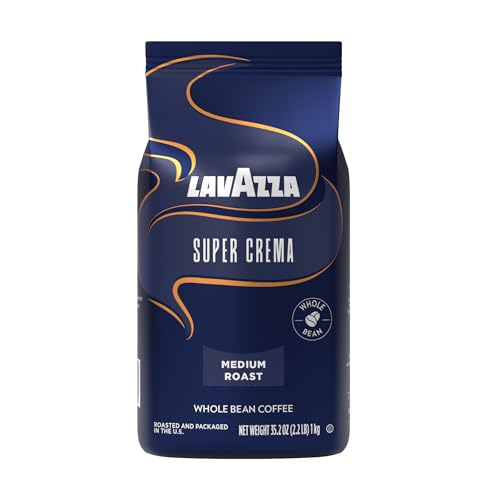
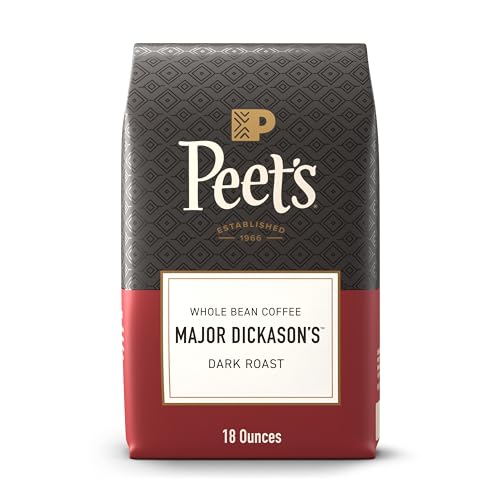


Espresso vs Coffee: Quick Comparison
This table shows the main differences between espresso and regular brewed coffee.
| Factor | Espresso | Drip or Filter Coffee |
|---|---|---|
| Brewing method | Pressurized water, about 9 bars | Gravity, no pressure |
| Brew time | 25 to 30 seconds | 4 to 6 minutes |
| Grind | Fine, like table salt | Medium, like sand |
| Coffee to water ratio | About 1 to 2 | About 1 to 16 |
| Serving size | 1 ounce single, 2 ounce double | 8 to 12 ounces |
| Texture | Thick, syrupy, with crema | Light, clean |
| Caffeine | About 63 mg per 1 oz shot | About 95 mg per 8 oz cup |
| Caffeine per ounce | About 63 mg | About 12 mg |
| Equipment | Espresso machine or portable maker | Drip machine, pour over, French press |
What Is Espresso?
Espresso is a concentrated coffee made by forcing hot water, around 195 to 205 degrees Fahrenheit, through a compact puck of finely ground coffee at about 9 bars of pressure. A shot takes about 25 to 30 seconds and yields about 1 ounce for a single or 2 ounces for a double.
The pressure emulsifies coffee oils and traps carbon dioxide, creating crema, the golden brown foam on top, and a thick, syrupy body. Espresso is the base for lattes, cappuccinos, macchiatos, americanos and many other drinks.
What Is Regular Coffee?
Regular coffee usually means drip or filter coffee, made by letting hot water flow through medium ground coffee and a paper or metal filter by gravity. It takes about 4 to 6 minutes and produces a larger, lighter cup. Pour over, French press, cold brew and percolator coffee are other non-pressure methods. Without pressure, there is no crema, and the cup tastes cleaner and less intense.
A Short History of Espresso and Drip Coffee
Espresso was born in Italy at the turn of the twentieth century, when inventors built steam powered machines to brew coffee quickly for café customers; the word espresso is linked to "expressed" or made on demand. In 1948, Achille Gaggia introduced a spring lever machine that reached much higher pressure and created crema, defining modern espresso. Drip coffee has older roots in cloth and paper filtering. Melitta Bentz patented the paper coffee filter in Germany in 1908, and automatic drip coffee makers became common in American homes in the 1970s.
Types of Espresso Shots
Espresso comes in several standard shot styles, each with a different strength and volume.
Single and Double (Doppio)
A single shot is about 1 ounce from 7 to 9 grams of coffee. A double, or doppio, is about 2 ounces from 14 to 20 grams and is the default in most cafés today.
Ristretto
A ristretto uses the same coffee with about half the water, giving a shorter, sweeter and more intense shot.
Lungo
A lungo runs about twice as much water through the coffee, making a longer, more bitter and less intense shot. It is different from an americano, which adds hot water after brewing.
Is Espresso a Different Bean?
No. Espresso is a brewing method, not a type of bean. Any coffee bean can be brewed as espresso or drip. Beans labeled "espresso" are simply roasted and blended to taste balanced as a concentrated shot, often at a medium dark to dark roast. You can brew espresso beans in a drip machine and pull espresso from beans labeled for drip. Our guide to the best coffee beans for espresso covers beans that suit shots.
Which Has More Caffeine, Espresso or Coffee?
Espresso has more caffeine per ounce, but a cup of coffee usually has more caffeine overall. A single 1 ounce shot of espresso contains about 63 milligrams of caffeine, while an 8 ounce cup of drip coffee contains about 95 milligrams. A double shot has about 125 milligrams. So a typical mug of drip coffee and a double espresso land in a similar range, while a single espresso has less.
Caffeine also varies with the beans, roast and dose. Robusta blends contain about twice the caffeine of Arabica.
Espresso vs Coffee: Flavor and Texture
Espresso tastes intense, rich and concentrated with a heavy, syrupy body and a creamy layer of crema, while drip coffee tastes lighter, cleaner and more subtle. Espresso amplifies everything in the bean, including sweetness, bitterness and acidity. Drip coffee spreads flavor out and is easier to drink in larger amounts. Paper filtered coffee also removes more oils, so it feels lighter than espresso or French press coffee.
Grind Size and Ratio Differences
Espresso uses a fine grind, close to table salt, and a ratio of about 1 part coffee to 2 parts espresso by weight. Drip coffee uses a medium grind, like sand, and a ratio of about 1 part coffee to 16 parts water. The fine grind and high pressure allow espresso to extract quickly, while the coarser grind and long contact time suit gravity brewing.
Equipment for Each
Espresso needs an espresso machine that produces about 9 bars of pressure, from manual lever and semi-automatic machines to super-automatics and capsule machines, or a manual portable espresso maker. Drip coffee needs a drip coffee maker, pour over dripper, French press or similar brewer. Moka pots make a strong, espresso style coffee at low pressure, but not true espresso. Our guides to the best espresso machine and best drip coffee maker compare options.
Drinks Made With Espresso
Most café drinks are built on espresso. A latte adds lots of steamed milk, a cappuccino adds steamed milk and thick foam, a flat white adds a little silky milk, a macchiato adds a spot of foam, and an americano adds hot water. A mocha adds chocolate and milk, and an affogato pours a shot over ice cream.
Drinks Made With Regular Coffee
Regular coffee is enjoyed black, with milk or cream, or iced. Café au lait mixes drip coffee with steamed milk, a lighter cousin of the latte. Cold brew steeps coarse grounds in cold water for hours. Iced coffee is brewed hot and poured over ice.
Espresso vs Coffee for Iced Drinks
Both make good iced drinks, but they work differently. Espresso poured over ice makes a strong base for iced lattes and iced americanos; pull the shot straight onto ice or into cold milk so it chills fast. Drip coffee for iced coffee should be brewed double strength so melting ice does not water it down. Cold brew, steeped for 12 to 24 hours, is the smoothest option and is made from coarse ground coffee rather than espresso.
Is Espresso Healthier Than Coffee?
Neither is clearly healthier. Espresso has more caffeine per ounce but is served in small amounts. Unfiltered methods, including espresso and French press, contain more of the coffee oils called diterpenes than paper filtered coffee, which some people watch for cholesterol reasons. Additions like sugar, syrups and cream affect health more than the brewing method. Ask your doctor if you have health concerns about coffee.
Which Is Easier to Make at Home?
Drip coffee is easier and cheaper to make at home. A basic drip machine or pour over cone makes good coffee with little skill. Espresso needs a capable machine, a fine and consistent grind and some practice to dial in, though capsule machines and super-automatic machines make it push button simple. Our guide on how to use a moka pot shows a low cost way to make strong, espresso style coffee.
Cost per Cup
Drip coffee usually costs less per cup because it uses an inexpensive brewer and about 10 to 15 grams of coffee per cup. Home espresso uses 14 to 20 grams for a double shot and requires a more expensive machine and grinder, though it still costs far less than buying café drinks.
Common Myths About Espresso
A common myth is that espresso is a special dark roast bean; it is a brewing method that works with any bean. Another is that espresso always has more caffeine than coffee; per shot it often has less than a full mug. Some people think crema means quality, but very fresh beans and Robusta both create crema regardless of taste. Finally, espresso is not meant to be bitter; a well pulled shot tastes sweet, rich and balanced.
Which Should You Choose?
Choose espresso if you love intense, rich coffee, make milk drinks like lattes and cappuccinos, or want a quick shot. Choose regular coffee if you prefer a large, easy drinking cup, brew for several people or want the simplest, cheapest routine.
- Lattes and cappuccinos: espresso.
- Large mugs for the morning: drip coffee.
- Quick intense shot: espresso.
- Brewing for a group: drip coffee.
Keep Your Equipment Clean
Both espresso machines and drip coffee makers need regular cleaning. Coffee oils build up in group heads, baskets and carafes, and scale forms in water lines. Clean removable parts often and descale on schedule; our guide on how to clean a coffee maker explains the routine. Browse more guides in our coffee guides section.
FAQs About Espresso vs Coffee
Is espresso stronger than coffee?
Espresso is stronger per ounce in flavor and caffeine. A full mug of drip coffee often contains as much or more caffeine than a single shot.
Can I use regular coffee beans for espresso?
Yes. Any beans work if ground fine and fresh. Espresso labeled beans are just roasted for a balanced shot.
Can I make espresso in a regular coffee maker?
No. Drip machines do not create the pressure needed for espresso. Use an espresso machine or a portable espresso maker.
Why does espresso have crema?
High pressure emulsifies coffee oils and traps carbon dioxide from fresh beans, forming the foam called crema.
How many shots of espresso equal a cup of coffee?
About one and a half to two shots match the caffeine in an 8 ounce cup of drip coffee.
Is a moka pot espresso?
Not quite. A moka pot brews strong coffee at about 1 to 2 bars of pressure, far below espresso's 9 bars, so it lacks true crema.
Does espresso taste bitter?
A well made espresso tastes rich and sweet with balanced bitterness. Harsh bitterness usually means over extraction from a grind that is too fine, too long a shot or very dark beans.
Bottom Line
In espresso vs coffee, the beans can be the same; the brewing method makes the difference. Espresso is a small, intense, pressurized shot with crema that forms the base of café drinks, while drip coffee is a larger, lighter, easy drinking cup. Choose by the drink you want and the effort you are willing to put in.

