How Much Caffeine in Espresso? Shots and Drinks
Disclosure: We may earn a commission when you buy through links on this page, at no extra cost to you. As an Amazon Associate I earn from qualifying purchases. Learn more

How much caffeine in espresso, by shot, drink and bean type, compared with drip coffee and other drinks.
So, how much caffeine in espresso is there? A single 1 ounce shot of espresso contains about 63 milligrams of caffeine on average, and a double shot contains about 125 milligrams, with a typical range of roughly 50 to 75 milligrams per single shot depending on the beans, dose and shot style. Ounce for ounce, espresso has far more caffeine than drip coffee, but because the serving is small, a single shot usually has less total caffeine than an 8 ounce cup of brewed coffee, which averages about 95 milligrams.
Below we break down caffeine by shot type and drink, compare espresso with other coffees, explain what changes caffeine levels, cover decaf espresso and daily limits, and answer common questions.


How Much Caffeine in Espresso: Quick Answer by Shot
This table shows typical caffeine amounts for common espresso servings. Real amounts vary with beans and preparation.
| Serving | Volume | Typical caffeine |
|---|---|---|
| Single shot (solo) | About 1 oz (30 ml) | About 63 mg (range 50 to 75) |
| Double shot (doppio) | About 2 oz (60 ml) | About 125 mg (range 100 to 150) |
| Triple shot | About 3 oz | About 190 mg |
| Ristretto (single) | About 0.75 oz | Slightly less than a single, about 50 to 63 mg |
| Lungo (single) | About 2 oz | Slightly more than a single, about 70 to 80 mg |
| Decaf shot | About 1 oz | About 1 to 4 mg |
Espresso vs Drip Coffee Caffeine
Espresso has about 60 to 65 milligrams of caffeine per ounce, while drip coffee has about 12 milligrams per ounce. But a typical cup of drip coffee is 8 to 12 ounces, so it contains about 95 to 140 milligrams in total. A double shot of espresso, about 125 milligrams, lands in a similar range to a mug of drip coffee. A single shot has less. Our guide to espresso vs coffee explains the brewing differences.
| Drink | Serving | Typical caffeine |
|---|---|---|
| Espresso, single | 1 oz | 63 mg |
| Espresso, double | 2 oz | 125 mg |
| Drip coffee | 8 oz | 95 mg |
| Cold brew | 12 oz | 150 to 240 mg |
| Instant coffee | 8 oz | 30 to 90 mg |
| Decaf coffee | 8 oz | 2 to 15 mg |
| Black tea | 8 oz | 40 to 70 mg |
Espresso Caffeine vs Other Drinks
A double shot of espresso has roughly the same caffeine as a typical 8 ounce energy drink and about three to four times as much as a 12 ounce cola. Here is how a shot compares with other common drinks.
- Single espresso (1 oz): about 63 mg.
- Energy drink (8 oz): about 70 to 100 mg, more in larger cans.
- Cola (12 oz): about 30 to 40 mg.
- Green tea (8 oz): about 25 to 45 mg.
- Dark chocolate (1 oz): about 12 to 25 mg.
How Long Does Espresso Caffeine Last?
Caffeine from espresso is absorbed within about 15 to 45 minutes, and its effects usually peak within an hour. The body clears caffeine slowly, with a half life of about 3 to 6 hours in most healthy adults, meaning half the caffeine is still in your system several hours later. That is why an afternoon double shot can affect sleep. Many people stop drinking espresso by early afternoon if they are sensitive.
Caffeine in Popular Espresso Drinks
Espresso drinks get their caffeine from the shots, not the milk, so caffeine depends on how many shots the drink contains.
- Latte, cappuccino or flat white with one shot: about 63 mg.
- Latte or cappuccino with two shots: about 125 mg; many 12 to 16 ounce café drinks use two.
- Americano: about 63 mg per shot; a double shot Americano has about 125 mg.
- Macchiato: about 63 to 125 mg, depending on single or double.
- Mocha: espresso caffeine plus a few milligrams from chocolate.
What Affects Caffeine in Espresso?
Several factors change how much caffeine ends up in your shot.
Bean Species
Robusta beans contain about twice the caffeine of Arabica, roughly 2.2 to 2.7 percent compared with 1.2 to 1.5 percent by weight. Espresso blends with Robusta, common in Italian blends and high caffeine coffees, can contain much more caffeine per shot. Our guide to Arabica vs Robusta coffee explains the difference.
Dose
More coffee in the basket means more caffeine. A 20 gram double contains more caffeine than a 14 gram double.
Shot Length
Longer shots extract a little more caffeine, so a lungo has slightly more than a ristretto made from the same dose, though most caffeine dissolves early in the shot.
Roast Level
Roast level changes caffeine very little by weight. Dark roast beans are lighter and less dense, so if you measure by scoop, you use slightly less coffee and get slightly less caffeine.
Grind and Extraction
Finer grinds and better extraction pull out more caffeine, but the difference is small compared with dose and bean type.
Caffeine in Espresso by Bean Type
Bean type changes caffeine more than anything else in the shot. As a rough guide for an 18 gram double shot:
- 100 percent Arabica: about 100 to 130 mg.
- Arabica blend with 20 to 30 percent Robusta: about 130 to 170 mg.
- Mostly Robusta blend: about 170 to 220 mg or more.
These are estimates, since caffeine also varies by farm, variety and extraction. Labels that say "100 percent Arabica" usually mean lower caffeine than strong Italian or high caffeine blends.
Does Espresso Have More Caffeine Than Coffee?
Per ounce, yes; per serving, usually not. Espresso is about five times more concentrated than drip coffee, which is why a shot feels strong and fast. But most people drink one or two shots, while a coffee mug holds 8 to 16 ounces, so a large drip coffee often contains as much or more caffeine than a double espresso.
Why Does Espresso Feel Stronger?
Espresso feels stronger because you drink its caffeine quickly in a small, intense serving, and its bold flavor signals strength. Sipping a 12 ounce coffee over half an hour spreads the caffeine out, while a shot delivers its caffeine in a few sips. The rich, concentrated taste also makes espresso seem stronger than it is.
Caffeine in Espresso Capsules
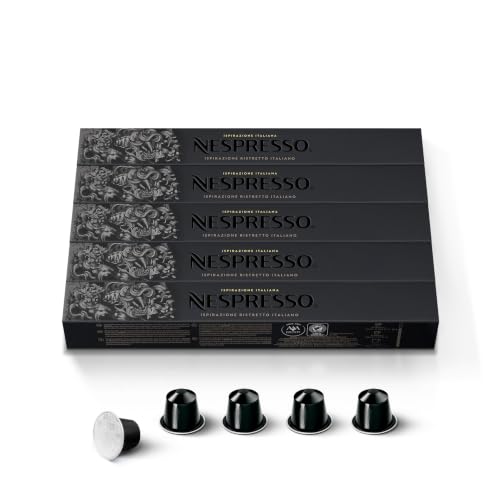
Espresso capsules vary. Many Nespresso OriginalLine capsules contain roughly 55 to 65 milligrams per espresso, while lungo capsules may contain a bit more. Vertuo double espresso pods contain more because they hold more coffee, and mug size Vertuo pods are closer to a cup of drip coffee. Capsules with Robusta, such as intense blends, tend to be higher. Check the brand's listing for exact numbers. Our guides to the best Nespresso pods and best Nespresso Vertuo pods cover popular options.
Why Café Espresso Drinks Vary in Caffeine
Café drinks vary because shops use different doses, baskets and blends. Some cafés pull a double shot as standard, even in a small latte, while others use one shot in small sizes and two in large. Blonde or light roast espresso at some chains contains slightly more caffeine per shot because of the beans and dose, and blends with Robusta contain more. If you track caffeine, ask how many shots go into your drink and which espresso the café uses.
How Much Caffeine Is in Decaf Espresso?
Decaf espresso usually contains about 1 to 4 milligrams per shot, since decaffeination removes at least 97 percent of the caffeine. Swiss Water decaf is typically 99.9 percent caffeine free. Even so, several decaf shots can add up, so very sensitive people should count them. Our guide to the best decaf coffee beans lists options for espresso.
How Many Shots of Espresso Is Too Many?
For most healthy adults, the US Food and Drug Administration cites 400 milligrams of caffeine a day as an amount not generally associated with negative effects. That is roughly six single shots or three double shots of espresso, with no other caffeine. Pregnant people and those sensitive to caffeine are often advised to limit intake further. Everyone's tolerance differs, so ask your doctor if you have health concerns.
How to Get More or Less Caffeine From Espresso
To get more caffeine, pull a double or triple shot, use a blend with Robusta or choose a higher dose. To get less, drink a single shot, choose 100 percent Arabica, try a half caf blend or switch to decaf. For milk drinks, ordering one shot instead of two cuts caffeine in half without changing the size.
Making Espresso at Home
At home, you control the dose and beans, so you know your caffeine intake. A standard double shot uses about 18 grams of coffee and yields about 36 grams of espresso. Our guide on how to make espresso at home covers equipment and recipes, and our guide to the best coffee beans for espresso lists Arabica and Robusta blends.
Common Myths About Espresso Caffeine
A common myth is that espresso always has the most caffeine; per serving, drip coffee and cold brew often have more. Another is that dark roast espresso has more caffeine; roast level makes little difference by weight. Some people believe crema contains extra caffeine; it is mostly oils and gas. Finally, a "strong" tasting shot does not necessarily have more caffeine than a mild one.
Keep Your Machine Clean
A clean machine pulls more consistent shots, so you get the flavor and caffeine you expect. Backflush, clean the portafilter and descale on schedule; our guide on how to clean a coffee maker explains the basics. Browse more guides in our coffee guides section.
FAQs About Caffeine in Espresso
How much caffeine is in one shot of espresso?
About 63 milligrams on average, usually between 50 and 75 milligrams.
How much caffeine is in a double shot?
About 125 milligrams, with a typical range of 100 to 150 milligrams.
Does a latte have more caffeine than espresso?
No. A latte has the same caffeine as the shots it contains; milk adds none.
Is espresso stronger than coffee in caffeine?
Per ounce, yes. Per typical serving, a mug of drip coffee often has as much or more.
Does ristretto have more caffeine?
Slightly less than a normal shot from the same dose, because less water passes through the coffee.
How many espresso shots equal a cup of coffee?
About one and a half shots match the caffeine in an 8 ounce cup of drip coffee.
Does espresso have more caffeine than cold brew?
No, not per serving. A 12 ounce cold brew often has 150 to 240 milligrams, more than a double shot of espresso.
Can I drink espresso at night?
Because caffeine lingers for hours, espresso late in the day can disturb sleep. Decaf espresso is a better evening choice.
Final Thoughts
When asking how much caffeine in espresso, remember the simple numbers: about 63 milligrams per single shot and 125 per double. Espresso is concentrated, but its small serving means a shot often has less caffeine than a mug of drip coffee. Count your shots, consider the beans and enjoy espresso within your daily limit.