How to Make Espresso at Home: A Step by Step Guide
Disclosure: We may earn a commission when you buy through links on this page, at no extra cost to you. As an Amazon Associate I earn from qualifying purchases. Learn more

How to make espresso at home step by step, from equipment and recipe to dialing in and troubleshooting.
To learn how to make espresso at home, you need finely ground fresh coffee, an espresso machine that produces about 9 bars of pressure and a simple recipe: 18 grams of coffee in, about 36 grams of espresso out, in 25 to 30 seconds. Grind fine, dose evenly, tamp level, pull the shot and adjust the grind until it tastes sweet and balanced. No machine? A manual portable espresso maker makes true espresso, and a moka pot or AeroPress makes a strong, espresso style coffee.
Below we walk through the equipment, the step by step method, how to dial in a shot, how to make espresso without a machine, the best beans, common problems and fixes, cleaning and answers to frequent questions.


What You Need to Make Espresso at Home
The essentials are an espresso machine, a grinder that can grind fine and consistently, fresh coffee beans, a tamper and a scale. A few extra tools make shots more consistent.
- Espresso machine: semi-automatic, super-automatic, capsule or manual lever machine.
- Burr grinder: able to grind fine enough for espresso and adjust in small steps.
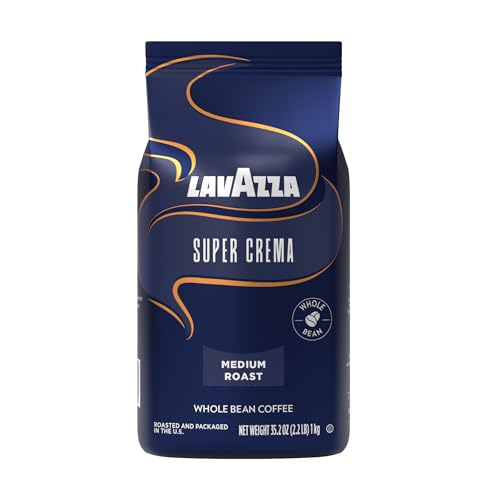
- Fresh beans: roasted within the last few weeks.
- Tamper: sized to your basket, such as 51, 54 or 58 millimeters.
- Scale with a timer: for weighing dose and yield.
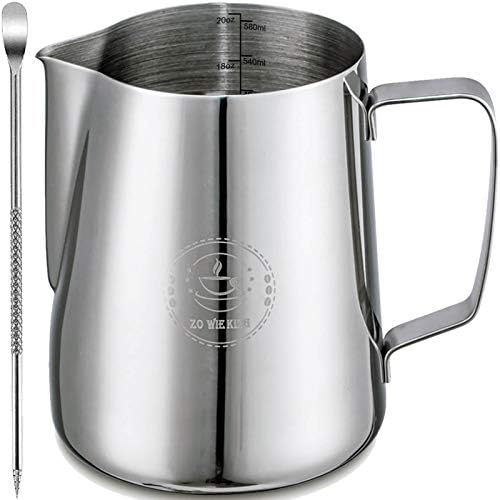
- Optional: WDT tool, puck screen, knock box and milk pitcher.
Our guides to the best espresso machine, best coffee grinder for espresso and best espresso accessories cover each piece.
Types of Home Espresso Machines
Home espresso machines range from fully manual to fully automatic, and the right type depends on how much control you want over each shot.
Semi-Automatic Machines
You grind, dose and tamp, and the machine controls pressure and temperature while you start and stop the shot. They offer the most control for the price and are the most popular choice for home baristas.
Super-Automatic Machines
These grind, dose, tamp and brew at the touch of a button, and many froth milk automatically. They trade some control for convenience.
Capsule Machines
Nespresso OriginalLine and similar machines use sealed capsules for consistent shots with almost no learning curve or mess.
Manual Lever Machines
You create pressure with a lever, which gives fine control over the shot but takes practice and effort.
How to Warm Up and Prepare Your Machine
A cold machine makes sour, weak espresso, so preheating is essential. Turn the machine on 15 to 30 minutes before brewing, depending on the model, and leave the portafilter locked in so it heats too. Run a blank shot of hot water through the group head and into your cup to warm both. Machines with thermoblock heaters warm up in about a minute, while heavy commercial style machines with large boilers need longer.
The Basic Espresso Recipe
A good starting recipe for a double shot is 18 grams of ground coffee producing 36 grams of espresso in 25 to 30 seconds, with water at about 195 to 205 degrees Fahrenheit. This 1 to 2 ratio is the standard "normale" espresso.
| Shot type | Dose | Yield | Ratio | Time |
|---|---|---|---|---|
| Ristretto | 18 g | 18 to 27 g | 1:1 to 1:1.5 | 15 to 25 s |
| Normale (standard) | 18 g | 36 g | 1:2 | 25 to 30 s |
| Lungo | 18 g | 54 to 72 g | 1:3 to 1:4 | 30 to 40 s |
Adjust the dose to your basket: many single baskets hold 7 to 10 grams and many double baskets hold 14 to 20 grams.
How to Make Espresso at Home Step by Step
Follow these steps for a consistent shot with a semi-automatic machine.
- Heat the machine for at least 15 to 20 minutes with the portafilter locked in so everything is hot.
- Weigh and grind 18 grams of beans to a fine grind, similar to table salt.
- Distribute the grounds evenly in the basket. A WDT tool breaks up clumps.
- Tamp level with firm, even pressure until the coffee stops compressing.
- Flush the group head briefly to clear old grounds and stabilize temperature.
- Lock in and start the shot right away, with a cup on a scale underneath.
- Stop at about 36 grams of espresso, ideally in 25 to 30 seconds.
- Taste and adjust the grind for the next shot.
- Knock out the puck and rinse the basket.
How to Dial In Espresso
Dialing in means adjusting the grind so a shot tastes balanced. Keep the dose the same and change only the grind.
- Shot runs too fast (under 20 seconds) and tastes sour or thin: grind finer.
- Shot runs too slow (over 35 seconds) and tastes bitter or harsh: grind coarser.
- Shot tastes balanced but weak: shorten the yield or increase the dose slightly.
- Shot tastes balanced but too strong: lengthen the yield.
Make small grind changes and pull a new shot each time. New bags of beans usually need small adjustments.
How to Tamp Espresso Correctly
Hold the tamper like a doorknob with your wrist straight above it, press straight down with firm, even pressure until the coffee stops compressing and check that the surface is level. Consistency matters more than force; many baristas use about 20 to 30 pounds. A tilted tamp lets water channel through the thin side. Our guide to the best espresso tamper explains sizes and spring loaded options.
How to Make Espresso Without an Espresso Machine
True espresso needs about 9 bars of pressure, but you have several good options without a full machine.
Manual Portable Espresso Maker
Hand pumped makers like the WACACO Minipresso and Picopresso produce real espresso with crema using hot water and your own grounds or capsules.
Moka Pot
A moka pot brews a strong, rich coffee at about 1 to 2 bars on the stove. It lacks true crema but works well in lattes. See our guide on how to use a moka pot.
AeroPress
An AeroPress makes a concentrated, espresso style shot using hand pressure. Use 15 to 18 grams of fine coffee and about 2 ounces of water. See our guide on how to use an AeroPress.
Capsule Machines
Nespresso OriginalLine machines make espresso at the push of a button with sealed capsules, no grinder needed.
Best Coffee Beans for Espresso
Use fresh, medium to medium dark roast beans, ideally 5 to 30 days after roasting. Medium dark roasts are the easiest to dial in and taste great with milk. Light roasts can taste bright and fruity but need a capable grinder and higher temperature. Avoid stale supermarket coffee and oily, very dark beans if you use a super-automatic machine. Our guide to the best coffee beans for espresso lists good choices.
Why Grind Matters So Much
Espresso is extremely sensitive to grind size because water passes through the coffee in under 30 seconds. A grind that is a little too coarse makes a fast, sour shot; a little too fine makes a slow, bitter one. Blade grinders produce uneven particles that cause channeling. A burr grinder with fine adjustment is the single most important upgrade for home espresso. If you use pre-ground coffee, choose coffee ground for espresso and a machine with pressurized baskets.
Pressurized vs Non-Pressurized Baskets
Pressurized, or dual wall, baskets have a single small exit hole that builds pressure even with an imperfect grind, which makes them forgiving for beginners and pre-ground coffee. Non-pressurized baskets have many holes and rely on the grind and tamp to create resistance, which gives better flavor but requires a good grinder and practice. Many entry level machines include both types.
Water Temperature and Quality
Espresso brews best at about 195 to 205 degrees Fahrenheit. Machines with PID temperature control hold this range precisely. Use filtered water with moderate minerals; very hard water causes scale, and distilled water extracts poorly and can harm some machines. Our guide to the best water filter for coffee explains what makes good coffee water.
Common Espresso Problems and Fixes
Most espresso problems come from grind, dose, tamp or freshness.
- Sour, thin shot: grind finer, increase dose or raise temperature.
- Bitter, harsh shot: grind coarser, reduce yield or lower temperature.
- No crema: beans are stale or the grind is too coarse.
- Spurting or uneven flow: channeling; distribute and tamp more evenly.
- Watery puck: dose too low or grind too coarse.
- Machine chokes: grind is too fine or dose too high.
How to Taste and Judge Your Espresso
A good espresso tastes sweet and balanced, with a pleasant mix of acidity and bitterness and a lingering finish. Sip it soon after brewing and stir first, since the top, middle and bottom of a shot taste different. Notice whether the shot is sour (sharp, thin, salty), bitter (harsh, dry, ashy) or balanced. Look at the crema too: it should be hazelnut to tiger striped brown and last a minute or two. Keep notes on dose, yield, time and taste for each new bag of beans.
Common Beginner Mistakes
The most common beginner mistake is changing several variables at once, which makes it hard to know what helped. Change only the grind until the shot runs in the target time. Other mistakes include using stale or pre-ground coffee in non-pressurized baskets, skipping the preheat, tamping unevenly and not weighing the dose. Finally, many beginners judge shots by time alone; always taste, since a shot in the right time can still need adjusting.
Making Milk Drinks With Your Espresso
Once you can pull a good shot, you can make lattes, cappuccinos, flat whites and macchiatos by adding steamed milk. A double shot with 8 ounces of silky milk makes a latte; equal parts espresso, steamed milk and foam make a cappuccino. Our guide on how to make a latte at home explains milk steaming step by step.
Cleaning Your Espresso Machine
Rinse the portafilter and basket after each session, purge and wipe the steam wand after every use, backflush with water daily if your machine allows and with a cleaning tablet weekly. Descale every one to three months depending on water hardness. Our guide on how to clean a coffee maker covers the basics. Browse more guides in our coffee guides section.
FAQs About Making Espresso at Home
Can I make espresso with regular coffee?
Yes, any beans work if ground fine and fresh. Regular drip grind coffee is too coarse and makes thin, fast shots.
How much coffee do I need for a double shot?
About 14 to 20 grams, with 18 grams a common starting point, depending on your basket size.
How long should an espresso shot take?
About 25 to 30 seconds for a standard 1 to 2 ratio shot, counted from when you start the pump.
Do I need an expensive machine to make good espresso?
Not necessarily. A capable grinder matters more than an expensive machine. Entry level machines with good grinders can make excellent shots.
Why does my espresso have no crema?
Stale beans, a coarse grind or low pressure are the usual causes. Fresh beans ground fine produce the most crema.
Is a moka pot the same as espresso?
No. A moka pot brews at much lower pressure, so it makes strong coffee without true crema.
Final Thoughts
Knowing how to make espresso at home comes down to fresh beans, a fine and consistent grind, an even tamp and a simple 1 to 2 recipe in 25 to 30 seconds. Change one variable at a time, taste every shot and you will be pulling sweet, balanced espresso and café style drinks in your own kitchen.