
How to Make a Latte at Home With or Without a Machine
Disclosure: We may earn a commission when you buy through links on this page, at no extra cost to you. As an Amazon Associate I earn from qualifying purchases. Learn more

How to make a latte at home step by step, with or without an espresso machine, plus flavored and iced recipes.
Learning how to make a latte at home takes three steps: brew a strong shot of espresso (or very strong coffee), heat and froth 6 to 8 ounces of milk to about 140 to 150 degrees Fahrenheit, then pour the milk into the espresso, finishing with a thin layer of foam. With an espresso machine and steam wand, a café quality latte takes about five minutes. Without one, a moka pot or AeroPress and a handheld frother make a delicious version.
Below is a step by step latte recipe for an espresso machine, plus methods without a machine, the best milk and coffee to use, how to steam milk properly, flavored and iced latte variations, troubleshooting tips and answers to common questions.

What You Need to Make a Latte
You need espresso or strong coffee, milk, a way to heat and froth the milk and a 10 to 12 ounce mug or glass. Everything else is optional.
- Espresso: from an espresso machine, capsule machine or portable espresso maker. Alternatives: moka pot, AeroPress or very strong brewed coffee.
- Milk: whole milk is easiest; barista style oat milk is the best plant option.
- Frothing tool: a steam wand, electric milk frother, handheld frother or even a jar.
- Milk pitcher: a 12 to 20 ounce stainless steel pitcher if you use a steam wand.
- Thermometer (optional): helps you hit the right milk temperature.
Latte Ratio: How Much Espresso and Milk?
A classic latte uses about 1 part espresso to 3 to 5 parts steamed milk, with a thin layer of foam. For a 12 ounce latte, use a double shot of about 2 ounces and 8 to 9 ounces of steamed milk. For an 8 ounce latte, use a single or double shot and 5 to 6 ounces of milk. More milk makes a milder drink; less milk makes it stronger.
How to Make a Latte at Home With an Espresso Machine
With an espresso machine, pull a double shot into a warm mug, steam cold milk until it is silky and glossy, then pour it in steadily.
- Warm your mug with hot water so the latte stays hot.
- Grind and dose about 16 to 18 grams of coffee for a double shot.
- Tamp evenly and lock in the portafilter.
- Pull the shot, aiming for about 36 grams of espresso in 25 to 30 seconds.
- Pour cold milk into a pitcher, filling it to just below the spout.
- Purge the steam wand, then place the tip just under the milk surface.
- Stretch the milk for 3 to 5 seconds, listening for a gentle tearing sound as air enters.
- Swirl the milk by lowering the tip slightly to create a whirlpool until the pitcher feels hot to hold, about 140 to 150 degrees Fahrenheit.
- Tap and swirl the pitcher to pop large bubbles and keep the milk glossy.
- Pour into the center of the espresso from a few inches up, then lower the pitcher to finish with foam or latte art.
Choosing a machine? Our guide to the best coffee maker for latte compares models with steam wands and automatic milk systems.
How to Steam Milk for a Latte
The secret to a great latte is microfoam: milk with tiny, invisible bubbles that looks like wet paint. Add only a little air at the start, then spend most of the time swirling to heat and blend the milk. Too much air creates stiff, bubbly foam better suited to a cappuccino.
Stop at about 140 to 150 degrees Fahrenheit. Milk tastes sweetest in this range; above 160 degrees, it loses sweetness and can taste cooked. Always start with cold milk and a cold pitcher, which gives you more time to texture the milk. Our guide on how to froth milk at home explains every frothing method in detail.
How to Make a Latte Without an Espresso Machine
You can make a good latte without an espresso machine by brewing very strong coffee and frothing milk separately.
Moka Pot Latte
Brew a small moka pot of strong coffee and use about 2 ounces as your espresso. See our guide on how to use a moka pot.
AeroPress Latte
Brew an AeroPress concentrate with 15 to 18 grams of finely ground coffee and about 2 to 3 ounces of water.
Instant Espresso Latte
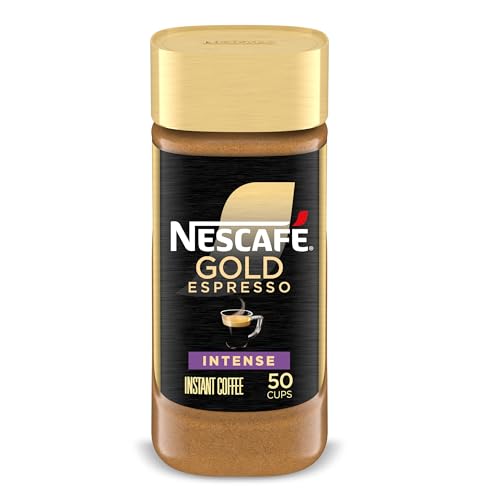
Dissolve 1 to 2 teaspoons of instant espresso in 2 ounces of hot water for a quick, easy latte base.
Frothing Without a Steam Wand
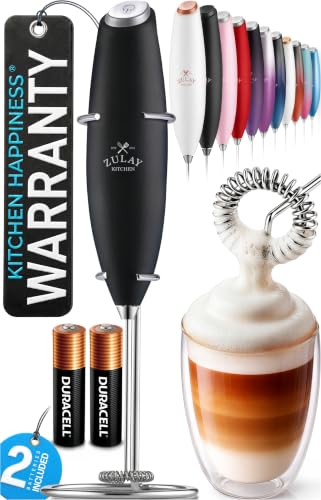
Heat milk on the stove or in the microwave to about 150 degrees Fahrenheit, then froth it with a handheld frother for 20 to 30 seconds, an electric frother, a French press (pump the plunger 15 to 20 times) or a jar with a tight lid (shake for 30 seconds, then microwave for 30 seconds).
Best Milk for Lattes
Whole milk makes the creamiest, most stable microfoam for a latte. Two percent milk works well and is lighter. Skim milk froths easily but tastes thin. For plant milk, barista style oat milk steams the best, with a naturally sweet, creamy taste. Soy milk foams well, while almond and coconut milks work best in barista versions that resist separating.
Best Coffee for Lattes
Medium dark to dark roast espresso works best in lattes because its chocolate and caramel flavors stand up to milk. Light roasts can taste sour or weak under lots of milk. Use fresh beans and grind just before brewing. Our guide to the best coffee beans for espresso lists good options for milk drinks.
Flavored Latte Recipes
Add 1 to 2 tablespoons of syrup or sauce to the espresso before pouring in milk, then stir.
- Vanilla latte: 1 tablespoon vanilla syrup.
- Caramel latte: 1 tablespoon caramel sauce, with a drizzle on top.
- Mocha: 1 to 2 tablespoons chocolate sauce or cocoa with sugar.
- Hazelnut latte: 1 tablespoon hazelnut syrup.
- Pumpkin spice latte: 1 tablespoon pumpkin puree, sugar and a pinch of pumpkin pie spice.
- Honey cinnamon latte: 1 teaspoon honey and a pinch of cinnamon.
How to Make an Iced Latte at Home
To make an iced latte, fill a 12 to 16 ounce glass with ice, pour in 6 to 8 ounces of cold milk and add a double shot of espresso on top. Stir and add syrup if you like. No frothing is needed, though cold foam on top is a nice touch. Pour the espresso straight onto ice or mix it with a little cold milk first so the shot chills quickly.
How to Make a Latte With a Nespresso or Pod Machine
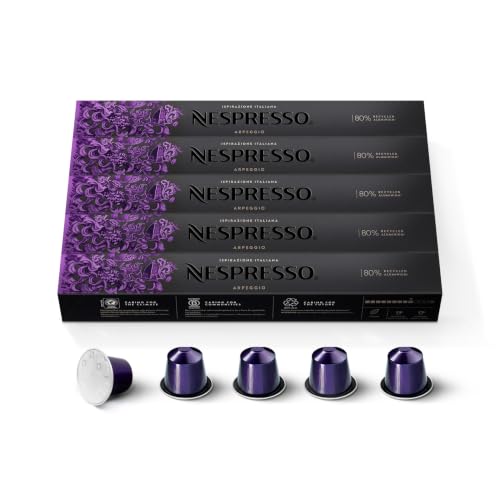
With a Nespresso machine, brew one or two espresso capsules of intensity 8 or higher, or a double espresso pod on a Vertuo machine, into a 12 ounce mug. Froth 6 ounces of milk in an Aeroccino or another electric frother using the hot froth setting, then pour it over the espresso. Machines with a built in milk system, such as Lattissima models, make the whole drink at the touch of a button. Our guide to the best Nespresso pods lists capsules that hold up well in milk.
Choosing the Right Latte Cup
Use a 10 to 12 ounce mug or glass for a standard latte and a 16 ounce glass for a large or iced latte. A wide, rounded cup makes pouring latte art easier because the milk spreads across the surface. Double wall glass mugs keep the latte hot while the outside stays cool, and they show off the layers of espresso and milk.
Latte vs Cappuccino vs Flat White
A latte has the most milk and a thin layer of foam. A cappuccino has equal parts espresso, steamed milk and thick foam. A flat white has less milk than a latte and a very thin, velvety foam. Our guides to cappuccino vs latte and flat white vs latte explain the differences.
How to Pour Simple Latte Art
To pour a heart, start pouring from a few inches above the cup into the center until it is about half full. Lower the pitcher spout close to the surface so white foam appears, then pour steadily until a white circle forms. Finish by lifting the pitcher slightly and cutting through the circle toward you. Silky microfoam and a wide cup make latte art much easier.
Troubleshooting Your Latte
Most latte problems come from the espresso or the milk texture.
- Latte tastes weak: use a double shot, a darker roast or less milk.
- Latte tastes bitter: the espresso is over extracted; grind coarser or shorten the shot.
- Latte tastes sour: the espresso is under extracted; grind finer.
- Big bubbles in the foam: too much air or air added too late; stretch briefly at the start, then swirl.
- Milk tastes burnt or flat: it is too hot; stop at 150 degrees Fahrenheit.
- Foam separates from milk: pour right away and swirl the pitcher before pouring.
How Much Does a Homemade Latte Cost?
A homemade latte usually costs around $1, depending on your coffee and milk, compared with around $5 or more at a café. An espresso machine pays for itself quickly if you drink a latte every day.
Keep Your Equipment Clean
Milk dries quickly inside steam wands and frothers and can spoil. Wipe and purge the steam wand right after steaming, wash the pitcher and frother after each use and descale your machine regularly. Our guide on how to clean a coffee maker explains the basics. Browse more drink guides in our coffee guides section.
FAQs About Making Lattes at Home
Can I make a latte with regular coffee?
Yes. Brew coffee very strong, about twice the usual strength, and use 3 to 4 ounces with frothed milk. It is technically a café au lait, but it tastes close to a latte.
How many shots of espresso go in a latte?
Usually one for an 8 ounce latte and two for a 12 to 16 ounce latte.
What temperature should latte milk be?
About 140 to 150 degrees Fahrenheit, when the pitcher feels hot but you can still hold it.
Can I make a latte with a Keurig?
Yes. Brew a strong, small cup using a dark roast pod and the strong setting, then add frothed milk.
What is the best milk frother for lattes?
An espresso machine steam wand gives the best microfoam. An electric frother is the easiest option without a machine.
How do I make a latte sweeter without syrup?
Steam the milk to about 140 degrees Fahrenheit, which brings out its natural sweetness, and use a sweeter medium dark roast.
Final Thoughts
Now you know how to make a latte at home: brew strong espresso, steam milk into glossy microfoam at 140 to 150 degrees Fahrenheit and pour. With a little practice, you can make café quality lattes, flavored drinks and iced lattes in your own kitchen for a fraction of the café price.


