
How to Make Coffee Less Bitter: Causes and Fixes
Disclosure: We may earn a commission when you buy through links on this page, at no extra cost to you. As an Amazon Associate I earn from qualifying purchases. Learn more

How to make coffee less bitter with fixes by cause and brew method, plus quick in-cup remedies.
To learn how to make coffee less bitter, fix the cause: most bitterness comes from over extraction, which means the grind is too fine, the water is too hot or the coffee brewed too long. Grind a little coarser, use water around 195 to 205 degrees Fahrenheit instead of a rolling boil, keep brew times in range and use the right amount of coffee. Fresh, medium roast beans, a clean coffee maker and filtered water help too, and a tiny pinch of salt or a splash of milk softens bitterness in the cup.
Below we explain why coffee tastes bitter, then give fixes by cause and by brew method, quick in-cup remedies, the best beans for a smoother cup and answers to common questions.


Why Does Coffee Taste Bitter?
Coffee tastes bitter mainly because water pulled too many compounds from the grounds. Coffee contains sweet, acidic and bitter compounds that dissolve at different speeds. Acids and sugars dissolve first; bitter compounds come later. When brewing goes too far, bitterness takes over. Dark roasts, Robusta beans, stale coffee, a dirty machine and coffee left on a hot plate also add bitterness.
Bitter vs Sour: Know the Difference
Bitter coffee tastes harsh, dry and lingering at the back of the tongue, while sour coffee tastes sharp, thin and tangy. Bitterness usually means over extraction; sourness usually means under extraction. The fixes are opposite: grind coarser or brew shorter for bitter coffee, and grind finer or brew longer for sour coffee. Identify which one you have before changing anything.
What Is Over Extraction?
Extraction is the share of the coffee grounds that dissolves into your cup. Good brewed coffee usually extracts about 18 to 22 percent of the coffee's weight. Below that range, coffee tastes sour and weak because the sweet compounds have not dissolved yet. Above it, coffee tastes bitter, dry and hollow because the water has started pulling heavier, harsher compounds. Grind size, water temperature, brew time and agitation all control extraction: finer, hotter, longer and more stirring all extract more. That is why the first fixes for bitter coffee are a coarser grind, slightly cooler water and a shorter brew.
Bitterness Causes at a Glance
| Cause | Sign | Fix |
|---|---|---|
| Grind too fine | Slow drip, muddy cup | Grind coarser |
| Water too hot | Harsh, burnt edge | Let water rest 30 seconds off the boil |
| Brew too long | Dry, lingering bitterness | Shorten steep or drawdown |
| Very dark roast | Smoky, ashy taste | Try a medium roast |
| Stale coffee | Flat and bitter | Buy fresh whole beans |
| Dirty machine | Stale, rancid taste | Clean and descale |
| Hot plate | Burnt taste after 20 minutes | Use a thermal carafe |
How to Make Coffee Less Bitter: Fixes by Cause
Work through these causes one at a time, changing a single variable per brew.
1. Grind Coarser
A grind that is too fine exposes more surface area and slows water flow, which over extracts coffee. Move one step coarser on your grinder. Use medium for drip, medium coarse for pour over, coarse for French press and extra coarse for cold brew.
2. Lower the Water Temperature
Boiling water extracts bitter compounds quickly. Aim for 195 to 205 degrees Fahrenheit; without a thermometer, let boiling water rest for about 30 seconds. Dark roasts taste best at the lower end.
3. Shorten the Brew Time
Keep French press steeps to about 4 minutes, pour over to 3 to 4 minutes and espresso to 25 to 30 seconds. Pour French press coffee off the grounds right away so it stops extracting.
4. Use the Right Ratio
Too little coffee for the water can over extract the grounds you use and taste bitter and thin. Start at about 1 gram of coffee per 16 grams of water, roughly 2 tablespoons per 6 ounces. Our guide to the coffee to water ratio has charts for every method.
5. Choose a Lighter Roast or Better Beans
Very dark roasts and Robusta heavy blends taste more bitter by nature. Try a medium roast or 100 percent Arabica. Our guide to light roast vs dark roast coffee explains how roast changes flavor.
6. Use Fresh Coffee
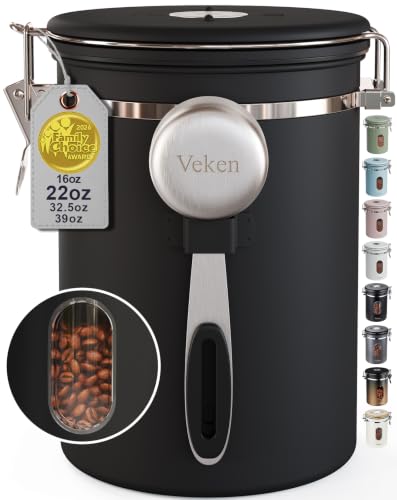
Stale coffee tastes flat and bitter. Buy whole beans, grind just before brewing and use them within 2 to 4 weeks of opening. Our guide on how to store coffee beans explains how.
7. Clean Your Coffee Maker
Old coffee oils build up in carafes, baskets and lines and turn rancid, adding a bitter, stale taste to every cup. Wash removable parts after each use and descale regularly. Our guide on how to clean a coffee maker walks through it, and if your machine itself seems to be the cause, see coffee maker making bitter coffee.
8. Get Coffee Off the Hot Plate
A warming plate keeps cooking coffee and makes it taste burnt within 20 to 30 minutes. Pour coffee into a thermal carafe or drink it fresh.
9. Use Filtered Water
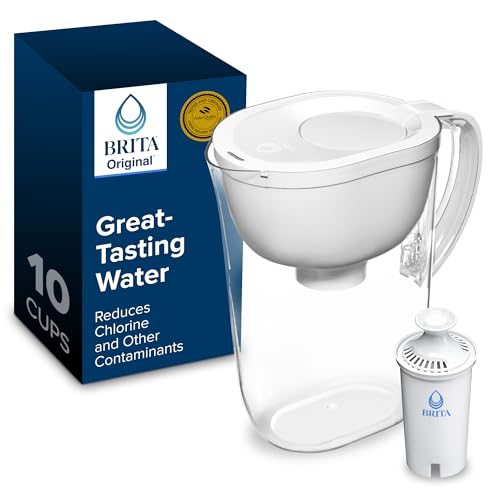
Chlorine and very hard water make coffee taste harsh. Filtered water with moderate minerals gives a cleaner cup. Our guide to the best water filter for coffee explains what to look for.
Why Your Grinder Matters
Blade grinders chop beans into a mix of dust and chunks. The fine dust over extracts and tastes bitter, while the chunks under extract and taste sour, so the cup ends up both harsh and thin. A burr grinder crushes beans to a consistent size, which makes extraction even and coffee smoother. If you cannot buy a burr grinder yet, shake a blade grinder while it runs, grind in short pulses and sift out the finest powder with a fine mesh strainer. Buying pre-ground coffee matched to your brewer is another simple way to avoid uneven grounds.
How Brew Temperature Changes Taste
Every few degrees changes flavor. At about 205 degrees Fahrenheit, extraction is fast and full, which suits light roasts but can make dark roasts bitter. At about 195 degrees, extraction is gentler, which keeps dark roasts smooth and chocolatey. Electric kettles with temperature settings make this easy; otherwise, waiting 30 to 60 seconds after the boil lowers the temperature into the ideal range.
Fixes by Brew Method
Each brewer has its own common causes of bitterness.
Drip Coffee Maker
Use a medium grind, the right amount of coffee and a clean machine. Remove the carafe from the warming plate soon after brewing.
French Press
Use a coarse grind, steep 4 minutes and pour all the coffee off right away. Leaving coffee in the press keeps it extracting.
Pour Over
If the drawdown takes longer than about 4 minutes, grind coarser. Pour gently and avoid stirring too hard.
Espresso
A slow shot over 35 seconds tastes bitter; grind coarser or shorten the yield. Our guide on how to dial in espresso explains the process.
Pod Machines
Choose a smaller cup size rather than the largest, which over extracts the pod, and descale the machine regularly.
Cold Brew
Steeping past 24 hours or using a fine grind adds woody, bitter flavors. Keep it to 12 to 18 hours with an extra coarse grind.
Quick Fixes in the Cup
If your coffee is already brewed and bitter, these tricks help.
- Add a tiny pinch of salt: sodium suppresses bitterness without making coffee taste salty.
- Add milk or cream: fat and proteins soften bitter flavors.
- Add a little sugar or sweetener: sweetness balances bitterness.
- Dilute with hot water: over strong coffee tastes more bitter; make it an americano style cup.
- Add cinnamon or cocoa: warm spices round out harsh edges.
- Serve it iced: cold temperatures make bitterness less noticeable.
Smoother Milk and Sweetener Options
If you add something to soften bitterness, whole milk and half and half work best because their fat coats the palate. Oat milk adds natural sweetness and body, which makes it a popular dairy free choice. A small amount of honey, maple syrup or vanilla syrup balances bitterness without overpowering the coffee. Sweetened condensed milk, used in Vietnamese coffee, turns even a very strong, bitter brew into a smooth, dessert like drink.
Best Coffee for a Less Bitter Cup
For a smoother cup, choose fresh medium roast beans, 100 percent Arabica, from origins known for sweetness such as Colombia, Brazil and Central America. Low acid coffees roasted for smoothness are another option. Cold brew made from a medium dark roast is naturally smooth and low in bitterness. Our guides to the best whole bean coffee and best low acid coffee list good choices.
Does Cold Brew Taste Less Bitter?
Yes. Cold water extracts fewer bitter compounds and acids than hot water, so cold brew tastes smoother and sweeter. If hot coffee often tastes too bitter for you, cold brew concentrate diluted with milk or water is an easy alternative.
Does Salt Really Reduce Bitterness?
Yes, a very small amount of salt, about a pinch per pot or a few grains per cup, reduces perceived bitterness because sodium blocks some bitter taste signals. Too much makes coffee taste salty, so start tiny. Some people add salt to the grounds before brewing.
Common Mistakes That Make Coffee Bitter
The most common mistakes are using boiling water, grinding too fine for the brewer, leaving coffee on a hot plate, using a dirty machine and buying stale pre-ground coffee. Another is trying to fix weak, bitter coffee by brewing longer, which makes it worse; use more coffee instead.
A Simple Troubleshooting Checklist
- Is the coffee fresh and stored airtight?
- Is the grind right for your brewer?
- Is the water just off the boil, not boiling?
- Is the brew time in range?
- Are you using about 1 to 16?
- Is the coffee maker clean and descaled?
- Is the coffee sitting on a hot plate?
Fix the first "no" and brew again. Browse more guides in our coffee guides section.
FAQs About Bitter Coffee
Why is my coffee so bitter?
Usually over extraction from a fine grind, very hot water or a long brew. Stale beans, dark roasts and a dirty machine also cause bitterness.
What can I add to coffee to make it less bitter?
A tiny pinch of salt, milk or cream, a little sugar, cinnamon or cocoa all soften bitterness.
Does dark roast coffee taste more bitter?
Yes, dark roasts tend to taste more bitter than medium roasts. Brew them with slightly cooler water and a coarser grind.
Does a dirty coffee maker make coffee bitter?
Yes. Rancid coffee oils and scale add bitter, stale flavors. Clean and descale regularly.
Is bitter coffee bad for you?
No, it is just less pleasant. Bitterness is a flavor issue, not a safety issue.
Why does coffee taste bitter and sour at the same time?
Uneven extraction, often from inconsistent grind size or channeling, can make some grounds over extract and others under extract. A burr grinder helps.
Final Thoughts
Knowing how to make coffee less bitter comes down to brewing in the right range: a grind that suits your brewer, water just off the boil, the right brew time and ratio, fresh beans and a clean machine. Fix one variable at a time, and use salt, milk or cold brew for a quick smoother cup.


