
How to Make a Cappuccino at Home Step by Step
Disclosure: We may earn a commission when you buy through links on this page, at no extra cost to you. As an Amazon Associate I earn from qualifying purchases. Learn more

How to make a cappuccino at home with or without an espresso machine, plus foam tips, flavors and iced cappuccinos.
Here is how to make a cappuccino at home: pull a single or double shot of espresso into a warm 6 to 8 ounce cup, steam about 4 ounces of cold milk with plenty of air until it nearly doubles into thick, glossy foam at 140 to 150 degrees Fahrenheit, then pour in equal parts steamed milk and foam for a drink that is roughly one third espresso, one third milk and one third foam. With an espresso machine it takes about five minutes. Without one, strong moka pot or AeroPress coffee and a handheld or electric frother make a very good version.
Below is a full step by step recipe, the right cappuccino ratio, how to create thick foam, methods without a machine, the best milk and coffee, wet and dry cappuccinos, flavored and iced versions, troubleshooting and answers to common questions.

What You Need
You need espresso or very strong coffee, cold milk, a way to steam or froth milk and a 6 to 8 ounce cup. A wide porcelain cappuccino cup keeps the foam and heat in.
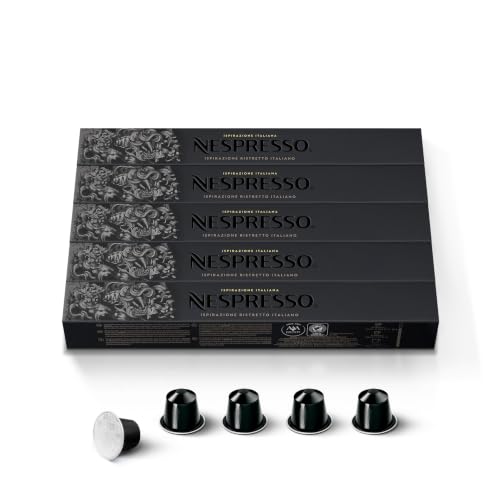
- Espresso source: espresso machine, capsule machine, portable espresso maker, moka pot or AeroPress.
- Milk: whole milk for rich foam, or skim milk for stiff, airy foam.
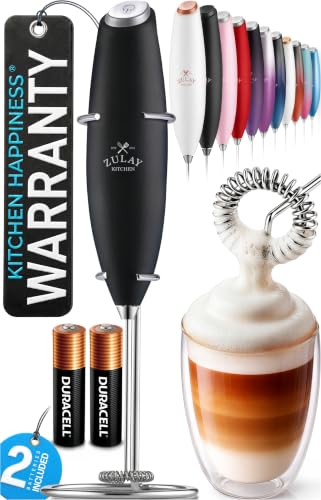
- Frothing tool: steam wand, electric frother, handheld frother or French press.
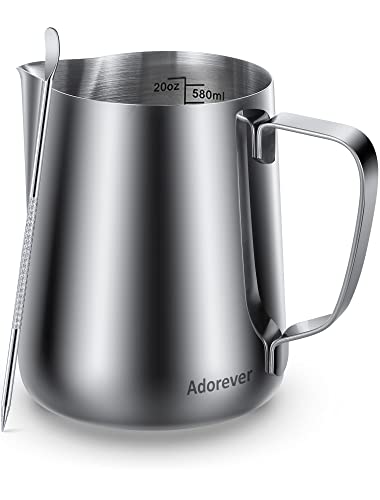
- Milk pitcher: a 12 to 20 ounce stainless steel pitcher for steaming.
- Cup: a 6 to 8 ounce wide cup, warmed with hot water.
The Classic Cappuccino Ratio
A traditional cappuccino is about one third espresso, one third steamed milk and one third milk foam, in a 5 to 6 ounce cup. With a double shot, many cafés serve a 6 to 8 ounce cappuccino. For a single shot, use about 2 ounces of steamed milk and 2 ounces of foam; for a double, about 2 to 3 ounces of each. The thick foam layer, usually at least 1 to 2 centimeters, is what separates a cappuccino from a latte.
How to Make a Cappuccino at Home With an Espresso Machine
With an espresso machine, the method is espresso first, then milk with more air than a latte, then a careful pour.
- Warm the cup with hot water and empty it.
- Grind and dose about 16 to 18 grams of fresh coffee for a double shot.
- Distribute and tamp evenly, then lock in the portafilter.
- Pull the shot, about 36 grams of espresso in 25 to 30 seconds.
- Fill a cold pitcher about one third full with cold milk.
- Purge the steam wand, then set the tip just below the milk surface.
- Stretch the milk for 6 to 10 seconds, keeping the tip near the surface so air enters with a steady hissing sound, until the volume grows by about half to double.
- Swirl and heat by lowering the tip slightly until the pitcher is hot to touch, about 140 to 150 degrees Fahrenheit.
- Tap and swirl the pitcher to pop large bubbles.
- Pour the steamed milk into the espresso, holding back the foam with a spoon, then spoon the foam on top to form a thick cap. Or pour in one motion, letting foam flow in at the end.
Shopping for a machine? See our guide to the best coffee maker for cappuccino.
How to Create Thick Cappuccino Foam
Thick cappuccino foam comes from adding more air early, while the milk is still cold. Keep the steam tip right at the surface longer than you would for a latte, and you will hear a gentle paper tearing sound. Stop adding air once the milk has grown by half to two thirds, then swirl to break down big bubbles into a smooth, dense foam. Starting with very cold milk and a cold pitcher gives you more time before the milk gets too hot. Our guide on how to froth milk at home explains each method in detail.
How to Make a Cappuccino Without an Espresso Machine
You can make a satisfying cappuccino by pairing strong coffee with well frothed milk.
Moka Pot Cappuccino
Brew strong coffee in a moka pot and use about 2 ounces as your espresso. See our guide on how to use a moka pot.
AeroPress Cappuccino
Brew a concentrated shot with 15 to 18 grams of fine coffee and about 2 ounces of water.
Instant Espresso Cappuccino
Dissolve 1 to 2 teaspoons of instant espresso in 2 ounces of hot water.
Frothing Without a Steam Wand
Heat 4 ounces of milk to about 150 degrees Fahrenheit, then froth it longer than you would for a latte: 30 to 45 seconds with a handheld frother, the foam setting on an electric frother, about 20 pumps in a French press or a 30 second shake in a sealed jar followed by 30 seconds in the microwave. Spoon the thick foam over the coffee.
Best Milk for Cappuccinos
Whole milk makes rich, creamy foam with good body. Skim and low fat milk make taller, stiffer, airier foam that suits a dry cappuccino but tastes less creamy. For plant milk, barista style oat milk foams well and tastes naturally sweet, and soy milk makes stable foam. Almond and coconut milks foam best in barista blends.
Best Coffee for Cappuccinos
A medium dark to dark roast espresso works best because it keeps its chocolate and caramel flavor under milk. Intense capsules or blends with a little Robusta add body and crema. Light roasts can taste sour in milk drinks. Our guide to the best coffee beans for espresso lists good choices.
Wet vs Dry Cappuccino
A wet cappuccino has more steamed milk and less foam, so it is creamier and closer to a latte. A dry cappuccino has more foam and less steamed milk, so it is lighter and tastes stronger. A bone dry cappuccino is espresso topped with foam only. To make a dry cappuccino, add more air while steaming and spoon mostly foam onto the shot.
Cappuccino Toppings and Flavors
Classic toppings include a dusting of cocoa powder or cinnamon on the foam. For a flavored cappuccino, add 1 to 2 teaspoons of syrup to the espresso before the milk.
- Vanilla cappuccino: 1 to 2 teaspoons vanilla syrup.
- Caramel cappuccino: caramel syrup with a drizzle on the foam.
- Mocha cappuccino: 1 tablespoon chocolate sauce.
- Cinnamon cappuccino: a pinch of cinnamon in the espresso and on top.
How to Make an Iced Cappuccino
An iced cappuccino uses cold foam instead of hot steamed milk. Pour a double shot over ice in a glass, add a splash of cold milk, then top with 2 to 3 ounces of cold foam made by frothing cold skim or 2 percent milk with a handheld or electric frother on the cold setting. The airy foam sits on top like a classic cappuccino cap.
A Quick History of the Cappuccino
The cappuccino takes its name from the Capuchin friars, whose brown robes matched the color of coffee mixed with milk. Viennese cafés served a "Kapuziner" of coffee with cream in the 1700s, and Italian cafés adapted the idea once espresso machines spread in the early 1900s. The thick, velvety foam we know today arrived in the 1950s, when improved steam wands made it easy to froth milk. In Italy, the cappuccino is still mainly a breakfast drink, often enjoyed with a pastry.
Tips for Dairy Free Cappuccinos
Plant milks foam differently from dairy. Choose barista versions, which include added fats and stabilizers that help them hold foam. Keep the milk very cold and stop heating around 140 degrees Fahrenheit, since many plant milks lose foam or separate when overheated. Oat milk gives the creamiest result, soy makes the tallest foam, and almond and coconut taste lighter. Pour gently, as plant milk foam can be more fragile than dairy foam.
Cappuccino vs Latte vs Flat White
A cappuccino has the most foam and less milk, so it tastes stronger and feels airy. A latte has more steamed milk and a thin foam layer, so it tastes milder and creamier. A flat white has even less milk with a very thin, velvety foam. Our guides to cappuccino vs latte and how to make a latte at home cover the other drinks.
Choosing the Right Cappuccino Cup
Use a 5 to 8 ounce wide, thick walled porcelain cup with a saucer. The wide mouth lets the foam spread into a round cap, and thick porcelain keeps the drink hot. Warm the cup with hot water before brewing. Our guide to the best espresso cups includes cappuccino sized sets.
Troubleshooting Your Cappuccino
Most cappuccino problems come from foam texture or espresso quality.
- Foam is too thin: add air longer at the start and keep the steam tip near the surface.
- Foam has big bubbles: air added too late or too much at once; swirl longer and tap the pitcher.
- Foam collapses quickly: milk too hot or not fresh; stop at 150 degrees and use cold, fresh milk.
- Drink tastes weak: use a double shot or a darker roast.
- Drink tastes bitter: espresso is over extracted; grind coarser or shorten the shot.
- Milk tastes burnt: it is too hot; use a thermometer.
How Much Does a Homemade Cappuccino Cost?
A homemade cappuccino typically costs around $1, compared with around $5 at a café, since it uses one or two shots of coffee and only a few ounces of milk. Daily cappuccino drinkers can recover the cost of a home espresso machine within months.
Keep Your Equipment Clean
Milk dries quickly in steam wands and frothers, so purge and wipe the wand right after steaming, wash pitchers and frothers after each use and descale your machine on schedule. Our guide on how to clean a coffee maker explains the basics. Browse more drink guides in our coffee guides section.
FAQs About Making Cappuccinos at Home
What is the ratio for a cappuccino?
About one third espresso, one third steamed milk and one third foam, usually in a 5 to 8 ounce cup.
Can I make a cappuccino with regular coffee?
Yes. Brew coffee about twice as strong as usual and top it with thick frothed milk. It tastes close to a cappuccino.
What milk makes the best cappuccino foam?
Skim milk makes the tallest, stiffest foam, while whole milk makes richer, creamier foam. Barista oat milk is the best plant option.
How hot should cappuccino milk be?
About 140 to 150 degrees Fahrenheit for the best sweetness and foam stability.
Can I make a cappuccino with a Nespresso?
Yes. Brew an intense espresso capsule and top it with foam from an Aeroccino or other frother on the foam setting.
Should I add sugar to a cappuccino?
It is up to you. Stir sugar into the espresso before adding milk so it dissolves, or sprinkle cocoa or cinnamon on top for flavor without sugar.
Final Thoughts
Now you know how to make a cappuccino at home: pull strong espresso, stretch cold milk into thick, glossy foam at 140 to 150 degrees Fahrenheit and build a cup of equal parts espresso, milk and foam. With a bit of practice, you can make café style cappuccinos, wet or dry, hot or iced, in your own kitchen.


