
Best Easy To Use Espresso Machine: Buying Guide
Disclosure: We may earn a commission when you buy through links on this page, at no extra cost to you. As an Amazon Associate I earn from qualifying purchases. Learn more
The best easy to use espresso machine for beginners: fully automatic, capsule or guided semi-automatic, matched to how much you want to learn.
The best easy to use espresso machine is the one that removes the steps beginners most often get wrong: grinding, dosing, tamping and frothing milk. Depending on your budget and patience, that can be a fully automatic machine that does everything at a touch, a capsule brewer with a milk frother, or a semi-automatic with guided dosing that teaches you as you go.
This guide compares those three routes with picks sold new on Amazon US. Start with the quick picks if you already know how involved you want to be, then read the buying section for what really makes an espresso machine easy: fewer adjustments, clear controls and a simple cleaning routine.




Quick Picks for Easy To Use Espresso Machine
Each pick suits a different kind of beginner, so match the role to how much you want to learn.
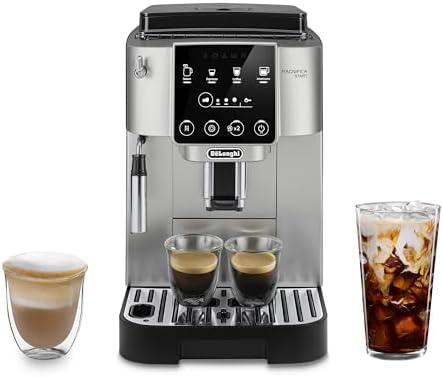
- De'Longhi Magnifica Start: the best fit for most beginners, a fully automatic machine with 50+ one-touch hot and cold recipes and automatic milk foam.
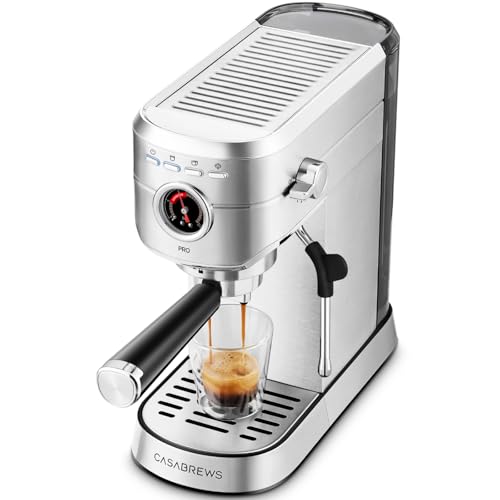
- CASABREWS 5418 PRO: the value pick for learning espresso, with fast heat up, quick steam switching and PID temperature control.
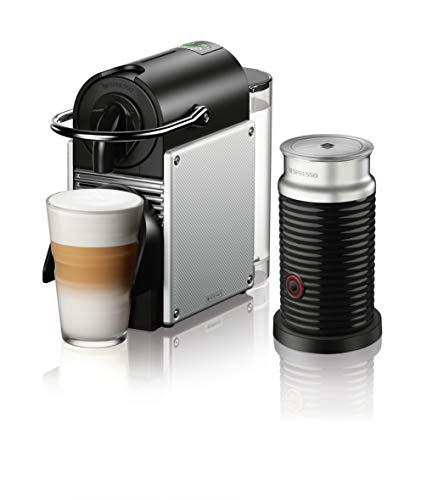
- Nespresso Pixie with Aeroccino3: the simplest workflow, with capsules, two programmable buttons and an included milk frother.
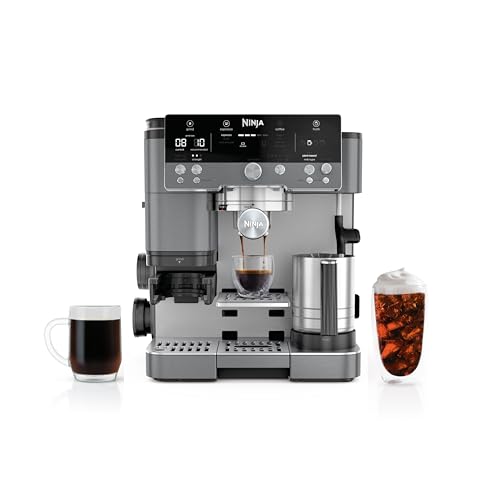
- Ninja Luxe Café Premier: the alternative routine for homes that want espresso, drip coffee and cold brew, with hands-free frothing.
- Breville Barista Express Impress: the pick for added control with error prevention, thanks to intelligent dosing and assisted tamping.
The core trade-off is ease against cost and control. Automatic and capsule machines are easiest day one, while semi-automatics cost less to run and reward practice.
Compare the Qualifying Options
Prices are rounded and change often, so check the live price in the product table above.
| Model | Role | Type | Coffee format | Defining feature | Main limitation | Price |
|---|---|---|---|---|---|---|
| De'Longhi Magnifica Start | Main pick | Fully automatic | Whole beans | 50+ recipes, hot and cold foam systems | High price, milk system cleaning | Around $700 |
| CASABREWS 5418 PRO | Value | Semi-automatic | Pre-ground or freshly ground | Heats in under 5 seconds, 3 second steam switching | No grinder, no pod support | Around $180 |
| Nespresso Pixie | Simplest workflow | Capsule | Nespresso Original capsules | Aeroccino3 frother included, 25 second heat up | Capsule-only, ongoing capsule cost | Around $300 |
| Ninja Luxe Café Premier | Alternative routine | Semi-automatic with grinder | Whole beans | Espresso, drip and cold brew, weight-based dosing | Large footprint | Around $600 |
| Breville Barista Express Impress | Added control | Semi-automatic with grinder | Whole beans | Intelligent dosing, assisted tamping | Manual steam wand to learn | Around $650 |
The Pixie includes its frother, and the Ninja machine ships with a portafilter, baskets, a tamper and a milk jug. A burr grinder is a genuine extra for the CASABREWS unless you buy pre-ground espresso.
How We Selected the Shortlist
To pick the best easy to use espresso machine for each role, we defined "easy" as fewer steps and fewer ways to make a mistake, not just a low price. Every pick needed either automatic grinding and dosing, a capsule system, or a clear aid for beginners such as guided dosing, assisted tamping or a pressure gauge. All had to be sold new on Amazon US in their current US version.
We compared listing specifications and package contents for controls, heat up time, milk systems and included tools, and read aggregated buyer feedback for common beginner complaints like sour shots, messy tamping or confusing menus. The criteria were espresso extraction and milk workflow, learning curve and error prevention, and coffee format and serving needs.
This is a research-based shortlist of the best espresso machine for beginners at different price points. The judgments come from published specs and owner feedback, not from brewing trials of our own, and we only repeat timing figures that a maker states.
Recommended Options
De'Longhi Magnifica Start: Best fit for the main use case
The De'Longhi Magnifica Start is the easiest way to make espresso drinks from whole beans, because the machine handles the whole extraction. You choose a drink, and the built-in grinder delivers a consistent dose of fresh grounds, then the machine brews it. More than 50 one-touch hot and cold recipes include espresso, cappuccino, latte, iced cappuccino, iced latte and cold brew.
Milk is where beginners often struggle, and the Magnifica Start automates it. Two LatteCrema systems handle hot foam and cold foam for dairy or plant-based milk. De'Longhi's Cold Extraction Technology makes cold brew in under three minutes, according to the maker. The grinder has 13 settings if you want to adjust for different beans later.
The limitation is price, plus the daily care of milk parts, which need rinsing after use. Automatic machines also limit how far you can fine-tune a shot. Skip it if you want to learn barista technique or have a tight budget. Use the maker's descaler and filtered water to keep it running well.

CASABREWS 5418 PRO: Best value within the stated scope
The CASABREWS 5418 PRO is a semi-automatic machine built to reduce the waiting and guesswork that frustrate new owners. CASABREWS says its heating system reaches brewing temperature in under five seconds, and switching from brewing to steam takes about three seconds. That shortens the gap between pulling a shot and frothing milk, which helps the drink stay hot.
Two features help with error prevention. PID temperature control keeps the temperature steady, and pre-infusion saturates the puck before full pressure, which makes extraction more forgiving. The 20-bar pump and steam wand cover lattes and cappuccinos, and the compact stainless steel body is easy to wipe clean.
The limitation is that it has no grinder and does not accept espresso pods, so you need pre-ground espresso or a separate grinder. It also lacks a cup warmer. Skip it if you want one-button drinks. For a beginner willing to practice a little, it is a low-cost way in.

Nespresso Pixie with Aeroccino3: Best for a simpler workflow
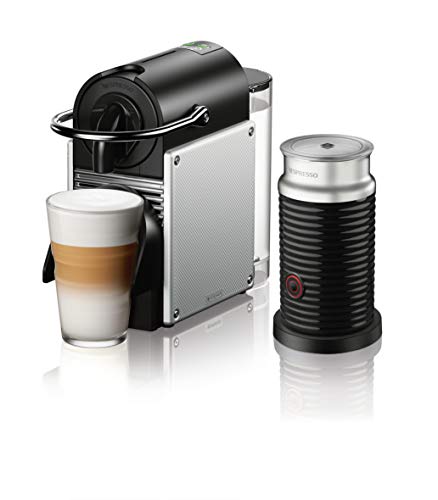
The Nespresso Pixie is about as simple as espresso gets. Drop in a Nespresso Original capsule, press Espresso or Lungo, and the machine pierces and brews the capsule automatically. There is no grinding, dosing or tamping, and the 25 second heat up means coffee is ready almost as soon as you switch it on.
The bundle includes the Aeroccino3 milk frother, which turns milk into foam with one touch for cappuccinos and lattes, so beginners can make milk drinks without learning a steam wand. The ultra-compact body suits small kitchens, and power save mode turns the machine off after nine minutes of inactivity. The two buttons are programmable, so you can set your preferred cup volume.
The limitation is the capsule system: it works only with Nespresso Original capsules, and the cost per cup is higher than grinding your own beans. Skip it if you want full control over the coffee or brew for several people at once. Keep a capsule recycling plan in mind.
Ninja Luxe Café Premier: Best for an alternative serving routine
The Ninja Luxe Café Premier suits households where one person wants a latte and another wants a mug of drip coffee. It brews espresso, drip coffee and cold brew from one built-in conical burr grinder with 25 settings. Barista Assist Technology recommends grind size, uses weight-based dosing and assisted tamping, then adjusts temperature and pressure for your drink.
For milk, the Dual Froth system combines a magnetic whisk with an automatic steamer, so you can prepare the milk, start frothing and walk away. A manual steam option is there when you want to practice. Onboard storage keeps the tamper, baskets and milk jug together, which reduces clutter for new owners.
The limitation is size and the number of parts, which makes cleanup longer than a capsule machine. Skip it if you only drink espresso or have little counter space. The box includes descaling powder, cleaning tablets and a hard water check kit, so first-month care is covered.

Breville Barista Express Impress: Best for added control or convenience
The Breville Barista Express Impress is for beginners who want to learn real espresso without the usual frustration. Its intelligent dosing system calculates and adjusts the amount of coffee for each shot and corrects the next dose automatically. Assisted tamping applies consistent pressure with a 7 degree finishing twist, so two of the hardest steps become repeatable.
You still control the important variables. The integrated conical burr grinder has 25 settings, and the Thermocoil heating system with PID control manages temperature. The manual steam wand lets you learn to texture milk for latte art, a skill that carries over to any future machine.
The limitation is the learning curve on milk and grind adjustment, which takes a few weeks of practice. Skip it if you want push-button drinks or plan to make several drinks back to back for guests. For anyone curious about espresso as a hobby, it offers the best balance of help and control here.

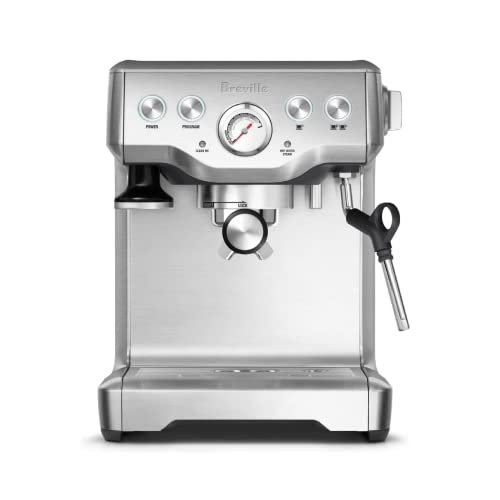
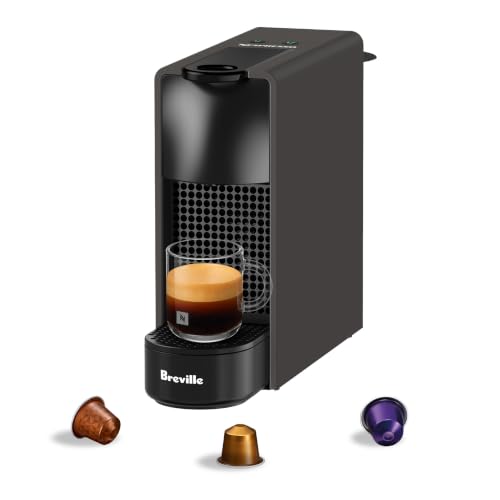
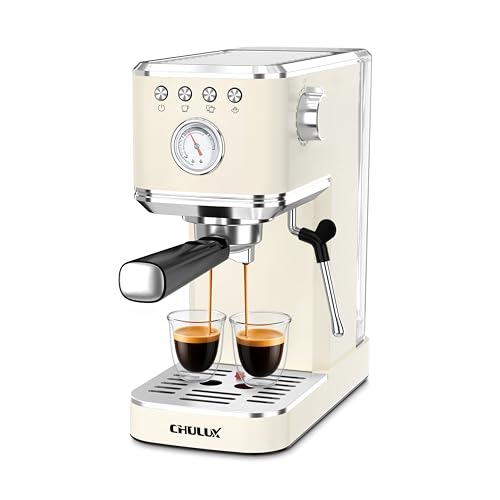
The product table also lists the Breville Infuser with volumetric shot control and a pressure gauge, the Breville Nespresso Essenza Mini, the De'Longhi Stilosa manual espresso machine, the Gevi 20 Bar Compact and the CHULUX Slim. For a wider list across every budget, see our guide to the best espresso machine, and if you want the most automation possible, compare the best super automatic espresso machine picks.
What to Look for Before Buying
Espresso Extraction and Milk Workflow
Start with what the machine controls for you. Fully automatic machines grind, dose, tamp and brew; semi-automatics leave grinding, dosing and tamping to you or assist with them; capsule machines replace all of it with a sealed portion. The more the machine controls, the easier it is, and the less you can adjust.
Check grinder requirements. A semi-automatic without a grinder needs a burr grinder fine enough for espresso, which adds cost and a learning step. Built-in grinders solve that, as long as they offer enough settings for your beans.
Do not rank machines by advertised pump pressure. Numbers like 15 or 20 bar describe the pump's maximum, not the pressure used during a good shot, and they say little about ease of use. Temperature stability, pre-infusion and consistent dosing matter more.
Finally, distinguish espresso from concentrated brewed coffee. Some drip machines offer a "specialty" or concentrate setting for milk drinks. It can taste good, but it is not espresso, and it will not behave the same way with milk.
Learning Curve and Error Prevention
Count the steps and adjustments a new owner has to master. Capsule machines have almost none. Fully automatics ask you to fill beans and water and choose a drink. Semi-automatics add grind size, dose, tamping and milk steaming, which is where most early mistakes happen.
Prioritize features that prevent errors: automatic or guided dosing, assisted tamping, a pressure gauge, preset shot volumes and clear labels. Machines with one-touch milk systems remove the hardest skill for many people.
Plan the first week. Expect to run a rinse cycle, set water hardness if the machine asks, and pull a few practice shots. Read the quick start guide before the first brew, and set a reminder for routine cleaning such as the brew group rinse on automatic machines or the steam wand purge on semi-automatics.
Coffee Format and Serving Needs
Choose between whole beans, pre-ground espresso and capsules. Whole beans are freshest and cheapest per cup but need a grinder. Pre-ground is convenient for semi-automatics but loses freshness quickly. Capsules are the simplest and the most expensive per cup.
Match the machine to how many drinks you make. Most home espresso machines make one or two drinks at a time, so a busy household may prefer a fully automatic machine that repeats drinks quickly.
Avoid comparing espresso with drip output as if they were the same. A double shot is about 2 oz of concentrated coffee, not a mug, so milk or water makes up the rest of the drink.
Which Option Fits Your Routine?
Your Must-Have Function
For one-touch lattes from beans, pick the Magnifica Start. For the fewest steps, choose the Nespresso Pixie. If you want to learn, the Barista Express Impress fits.
Your Preparation and Cleanup Tolerance
Capsule machines need the least cleanup. Automatic machines need daily emptying and milk rinsing, and semi-automatics add knocking out pucks and purging the wand.
Your Complete Budget
Add a grinder if needed, a milk pitcher, descaler and either beans or capsules to the machine price.
Frequently Asked Questions
Which features matter most for this use case?
Automatic or guided dosing, simple controls and an easy milk system matter most for beginners. These remove the steps that most often cause sour or weak shots and messy foam. After that, look at heat up time, a removable water tank and how many parts need cleaning each day.
How do I choose the correct serving capacity?
Count how many drinks you make in a row. Most espresso machines make one or two at a time, so for several people a fully automatic that repeats drinks quickly is easier. Also check the water tank and bean hopper size, since a small tank means frequent refills.
What extra equipment will I need?
Semi-automatics without a grinder need a burr grinder or pre-ground espresso. A milk pitcher, a small scale and a knock box help, and every machine needs a descaler. Capsule machines need a steady capsule supply, and some need a separate frother.
How much daily cleaning should I expect?
Expect five minutes a day: empty the grounds or capsules, rinse the drip tray and clean milk parts right after use. Semi-automatics also need the portafilter rinsed and steam wand purged. Descaling and brew group cleaning follow your manual's schedule.
Final Verdict
For most beginners, the De'Longhi Magnifica Start is the best easy to use espresso machine on this list, since it grinds, doses, brews and froths milk at the touch of a button. If you want espresso with even fewer steps and a smaller budget, the Nespresso Pixie with Aeroccino3 is the simpler alternative. Decide how much you want to learn, check the current price in the table, and start with the machine that matches that answer.


