
Best Espresso Machine Under $200: Buying Guide
Disclosure: We may earn a commission when you buy through links on this page, at no extra cost to you. As an Amazon Associate I earn from qualifying purchases. Learn more

The best espresso machine under $200 for your routine: manual steam wand models, one-touch milk machines and a simple capsule brewer.
The best espresso machine under $200 gives you a real pump-driven shot and a way to make milk drinks, without stretching into the price of a premium semi-automatic. Under that ceiling you can choose between a compact manual machine with a steam wand, a one-touch machine that froths milk for you, or a capsule machine that skips grinding and tamping entirely.
The quick picks below match five common routines, all priced below $200 at the time of writing. If you are not sure whether you want to steam milk yourself or press a button, start with the buying advice further down, which explains how each style changes your morning.

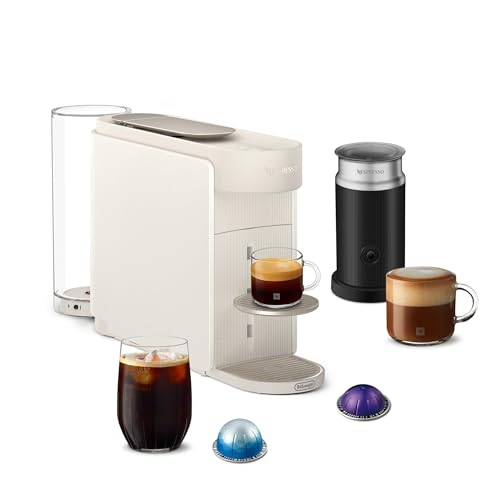


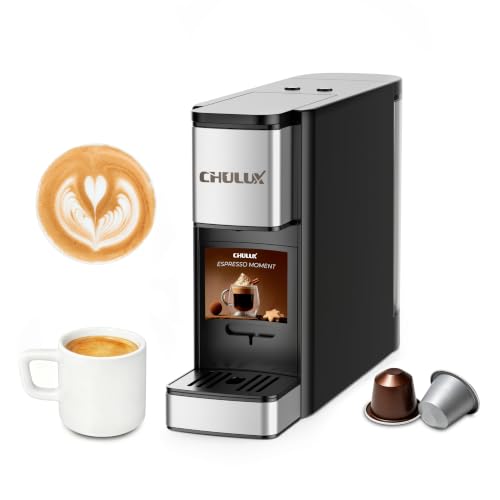
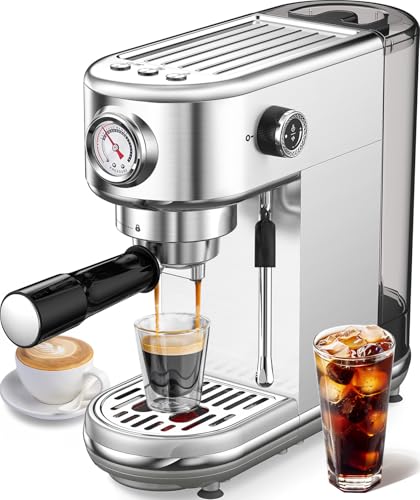


Quick Picks for Espresso Machine Under $200
Each pick fills a different role, so treat them as answers to "what do I want to make, and how much effort will I put in?" rather than as a single ranking.
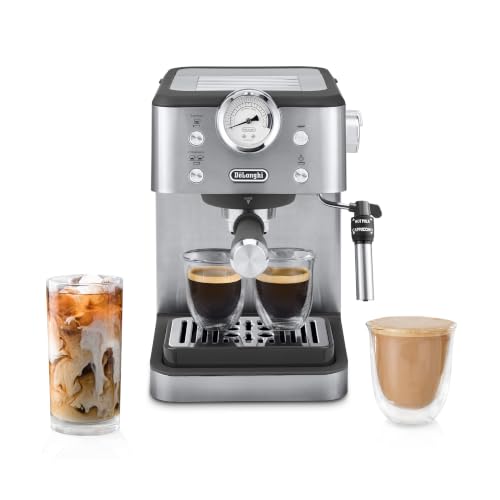
- De'Longhi Classic Signature: the best overall below $200, with a 15-bar pump, Thermoblock heating, a steam wand and customizable single and double shot presets.
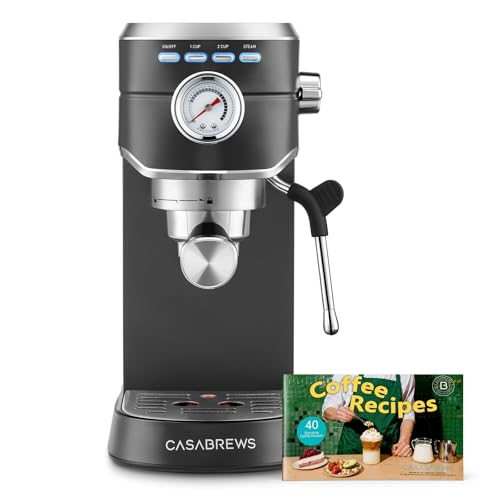
- CASABREWS CM5418: the low-cost pick for manual control, with a pressure gauge, a steam wand and a 34 oz removable tank.
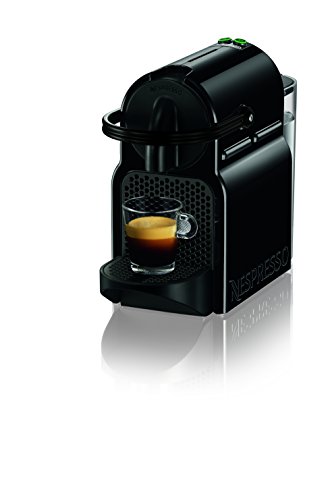
- Nespresso Inissia by De'Longhi: the simplest route to espresso and lungo from capsules, with two programmable buttons and no grinding or tamping.
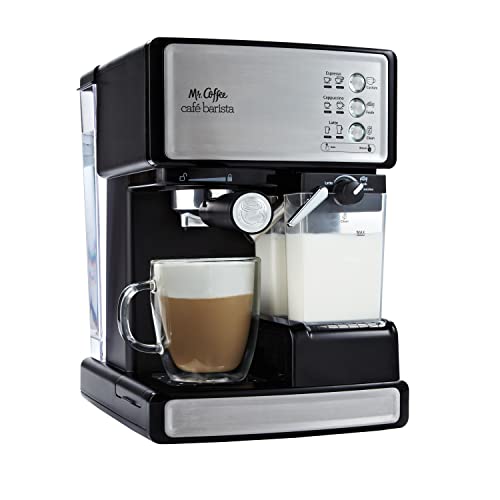
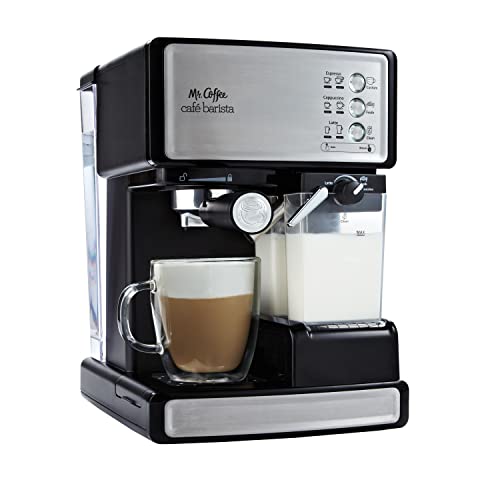
- Mr. Coffee Espresso and Cappuccino Machine: the pick for a different routine, since it froths milk automatically for one-touch cappuccinos and lattes.
- AIRMSEN 20 Bar Espresso Machine: the feature upgrade still below the ceiling, with an automatic milk frother, a touchscreen and a 61 oz water tank.
The main trade-off is control versus convenience. Steam wand machines reward practice, while automatic frothers and capsules do more of the work for you. Jump to each product section for the detail.
Compare the Qualifying Options
Prices are rounded and change often, so confirm the live price in the product table above before you buy. A model that drifts above $200 no longer meets the ceiling.
| Model | Role | Coffee format | Pump | Milk system | Water tank | Main limitation | Price |
|---|---|---|---|---|---|---|---|
| De'Longhi Classic Signature | Best overall | Ground coffee | 15 bar | Manual steam wand | See listing | Grinder not included | Around $180 |
| CASABREWS CM5418 | Low cost | Ground coffee | 20 bar | Manual steam wand | 34 oz | Needs a cool-down after steaming | Around $145 |
| Nespresso Inissia | Simplest | Nespresso Original capsules | See listing | None included | 24 oz | Capsules only, no milk system | Around $190 |
| Mr. Coffee Espresso and Cappuccino | Different routine | Ground coffee | 15 bar | Automatic frother | See listing | Less control over milk texture | Around $180 |
| AIRMSEN 20 Bar | Feature upgrade | Ground coffee | 20 bar | Automatic frother, 17 oz milk reservoir | 61 oz | Less control over milk texture | Around $180 |
None of these include a grinder, so the ground coffee machines need pre-ground espresso or a separate burr grinder. The Inissia needs no grinder but works only with compatible capsules.
How We Selected the Shortlist
The $200 ceiling came first. Every machine had to be sold new on Amazon US below that price when we checked, so a model that only dips under $200 during a short sale did not qualify as a core pick. We also left out steam-only machines that cannot build pump pressure, because they make strong coffee rather than espresso.
Next we compared manufacturer specifications, current US listings and package contents, and read buyer feedback in aggregate to spot recurring strengths and complaints. For the best espresso machine under $200, three factors shaped the shortlist: whether the price stays below the ceiling, how the machine handles extraction and milk, and which coffee format and serving style it supports.
This is a research-based list. Judgments come from published specs, listing details and owner feedback rather than brewing trials of our own, so we do not quote shot times, temperatures or taste scores.
Recommended Options
De'Longhi Classic Signature: Best overall below $200
The De'Longhi Classic Signature is the most complete manual espresso machine on this list for the money. It pairs a 15-bar pump with Thermoblock heating, which De'Longhi says reaches brewing temperature quickly and holds it steady, so you spend less time waiting between switching it on and pulling a shot.
Two features make daily use easier. Customizable single and double espresso presets dose the shot automatically once you set them, which removes guesswork on busy mornings. The steam wand handles both silky steamed milk and thicker foam, so lattes, cappuccinos and iced drinks are all within reach once you learn the technique.
The limitation is that it is still a manual machine: you need good pre-ground coffee or a grinder, and steaming milk takes practice. Skip it if you want café drinks with no learning curve. Its compact stainless steel body fits most kitchens, and at around $180 it leaves a little room for a tamper or milk pitcher under the budget.

CASABREWS CM5418: Best low-cost qualifying option
The CASABREWS CM5418 costs noticeably less than the De'Longhi while keeping the features that matter for learning espresso. It has a 20-bar pump, a 1350 W boiler and a built-in pressure gauge, which gives you visual feedback when you change your grind or dose.
The steam wand textures milk for lattes and cappuccinos, and the 34 oz removable water tank lets you brew several drinks before refilling. Single and double shot buttons keep the controls simple, and the machine is compact enough for a small counter.
The concrete limitation is the cool-down after steaming. The maker warns that brewing right after frothing can trigger overheating protection, so you need to let it cool before the next shot. Skip it if you often make several milk drinks back to back for guests. For one or two drinks a day at a lower price, it is a solid way to start.

Nespresso Inissia by De'Longhi: Best simple qualifying option
The Nespresso Inissia is for people who want espresso without grinding, dosing or tamping. You drop in a Nespresso Original capsule, press the Espresso or Lungo button, and the machine does the rest. Both buttons are programmable, so you can set the cup size you prefer once and repeat it every day.
A folding drip tray accommodates larger cups and drops down automatically when you lift your cup, which helps keep the counter clean. The 24 oz water tank is modest but adequate for a few drinks, and cleanup is limited to emptying used capsules and rinsing the tray.
The limitation is the format: it works only with compatible Original line capsules, and there is no milk system in this listing. Skip it if you want to choose any coffee bag at the store or make milk drinks without buying a separate frother. If simplicity is the priority, though, nothing here is easier to use.

Mr. Coffee Espresso and Cappuccino Machine: Best for a different supported routine
If your goal is a cappuccino or latte rather than a straight shot, this Mr. Coffee machine changes the routine. It combines a 15-bar pump with an automatic milk frother, so you choose the drink on the one-touch control panel and the machine handles the milk instead of a steam wand.
It includes single and double shot filters, and the listing notes that grind size, coffee amount and tamping all affect pressure, which is good advice for any machine in this price range. The automatic frother saves the learning curve that manual wands require.
The trade-off is control over milk texture: an automatic frother gives consistent results but less room to adjust foam for latte art. Skip it if you mainly drink straight espresso, since you would pay for a milk system you rarely use. For households where several people want a milk drink at the push of a button, it is a practical fit.
AIRMSEN 20 Bar Espresso Machine: Best feature upgrade still below the ceiling
The AIRMSEN 20 Bar Espresso Machine packs the most automation into this budget. It uses a 20 bar pump with pre-infusion and an automatic milk frother fed from a 17 oz milk reservoir, so espresso, cappuccino and latte are one-touch drinks, with a choice of single or double shot on the touchscreen.
Two features stand out for daily use. The listing describes separate heating for brewing (1350W) and milk frothing (1000W), so you don't wait between the shot and the foam. The 61 oz removable water tank means fewer refills than most machines here, and the milk reservoir detaches for cleaning.
The limitation is control: automatic frothing gives you less say over milk texture than a steam wand, and the milk reservoir must be washed after milk drinks. Skip it if you want to learn latte art or only drink straight espresso. It measures about 7.9 by 10.2 by 12 inches, fits cups up to about 4.1 inches tall, and sits near the ceiling at around $180, so check the price before you order.

What to Look for Before Buying
A Strict $200 Purchase Ceiling
A strict ceiling means the machine itself costs less than $200 at its normal price, not only during a short sale. Prices on Amazon move often, so check the current price before you order and be wary of a list that relies on a temporary discount to fit.
Think about what the ceiling covers. Under $200, you get the machine and its included accessories, such as a portafilter, filters and sometimes a tamper or scoop. A burr grinder, a milk pitcher, a scale and descaling solution usually cost extra, and some of them matter a lot for results with manual machines.
It also helps to know what you give up below $200. Most machines here use Thermoblock or small boiler heating, have plastic parts in places, and need a pause between steaming and brewing. That is normal for the price, not a defect. If you need to make many drinks back to back, a pricier dual-heating machine may suit you better.
Finally, compare running costs. Capsule machines cost less up front in effort but more per drink, while ground coffee machines cost less per shot once you own the accessories.
Espresso Extraction and Milk Workflow
Espresso needs pressure to push hot water through finely ground coffee. Machines in this list use pumps rated at 15 or 20 bar, but pump ratings alone do not guarantee a good shot. Grind size, dose and tamping matter just as much, which is why makers of semi-automatic machines often mention them in their manuals.
Pre-ground coffee sold as "espresso grind" works for beginners, though fresh beans ground just before brewing give you more control. If you plan to buy a grinder later, budget for it now so you are not stuck with a machine you cannot get the best from.
Milk workflow is the other big decision. A manual steam wand gives you the most control over texture but takes practice. An automatic frother delivers consistent foam with less effort, and some machines include a removable milk reservoir that can go in the fridge. A capsule machine without a frother needs a separate milk frother if you want lattes.
Also check whether the machine can brew and steam at the same time. Most budget machines cannot, so expect a short wait between steps when making milk drinks.
Coffee Format and Serving Needs
Choose the format you will buy every week: ground coffee or capsules. Ground coffee gives you the widest choice and the lowest cost per shot. Capsules trade that flexibility for speed, consistency and easy cleanup, but you are limited to compatible pods.
Then think about what you drink. If it is mostly straight espresso or Americanos, a simple machine without an automatic frother is fine. If it is lattes and cappuccinos most days, a machine with a capable steam wand or a built-in frother saves effort and frustration.
Serving size matters too. An espresso shot is small, usually 1 to 2 fl oz, so a large water tank mainly saves refills when you make several drinks or Americanos. Check whether your favorite mug fits under the spout, since many compact machines have limited clearance.
Lastly, consider who else will use the machine. A one-touch machine is easier for family members, while a manual machine suits one person who enjoys the process.
Which Option Fits Your Routine?
Your Must-Have Function
If you want manual control and a steam wand, choose the De'Longhi Classic Signature or the CASABREWS CM5418. If you want capsules and simplicity, choose the Nespresso Inissia.
Your Preparation and Cleanup Tolerance
For one-touch milk drinks, the Mr. Coffee or the AIRMSEN do the frothing for you. If you enjoy learning technique, a steam wand machine rewards the extra effort.
Your Complete Budget
Add a grinder, milk pitcher and descaler, or the ongoing cost of capsules. A machine near $200 plus a grinder can easily pass the ceiling.
Frequently Asked Questions
What is included in this price limit?
The $200 limit covers the machine and whatever accessories come in its box at the current Amazon US price. That usually means a portafilter and filter baskets for ground coffee models, or a starter set of capsules for some pod machines. A grinder, scale, milk pitcher and descaling solution are typically separate purchases.
What if no suitable model meets the budget?
If no machine meets your needs under $200, decide which feature matters least and drop it, or raise the budget instead of buying a poor fit. A capsule machine can also be a cheaper way into espresso, while saving for a better semi-automatic often beats buying twice.
Should I budget for accessories separately?
Yes, budget separately for accessories if you choose a ground coffee machine. A burr grinder makes the biggest difference, followed by a milk pitcher for steam wands and a descaling product recommended by the maker. Capsule users mainly need to budget for pods and, if wanted, a milk frother.
Is a sale-priced model a reliable long-term recommendation?
No, a sale price alone is not a reliable long-term recommendation. Prices change, and a machine that usually costs more than $200 may not stay within budget. Choose based on the regular price and features, and treat a discount as a bonus rather than a reason to buy.
Final Verdict
The De'Longhi Classic Signature is the best espresso machine under $200 for most buyers, thanks to its 15-bar pump, fast Thermoblock heating, programmable shot presets and capable steam wand. If you would rather spend less and still learn manual espresso, the CASABREWS CM5418 is the alternative. The deciding trade-off is control versus convenience, so check the current price in the table and pick the routine you will actually follow. For a broader range, see our guide to the best espresso machine, or compare one-touch bean-to-cup models in the best super automatic espresso machine roundup.


