
Best Espresso Machine Under $300: Buying Guide
Disclosure: We may earn a commission when you buy through links on this page, at no extra cost to you. As an Amazon Associate I earn from qualifying purchases. Learn more

The best espresso machine under $300, from a slim De'Longhi Dedica to capsule and built-in grinder machines, compared by routine.
The best espresso machine under $300 depends on how much of the process you want to handle yourself. At this price you can buy a slim manual machine with a steam wand, a capsule brewer that also makes drip coffee, or a semi-automatic with a built-in grinder, all sold new on Amazon US.
This guide sorts those options by role, explains what each one asks of you every morning, and points out the extra gear (a grinder, a milk pitcher, a tamper) that can quietly push the real cost past your budget.




Quick Picks for Espresso Machine Under $300
Each pick fits a different routine. Read them as answers to "how do I want to make espresso?" rather than as a single ranking, then use the product section for the detail.
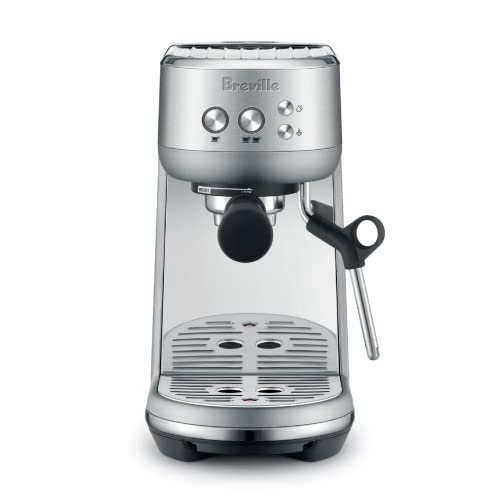
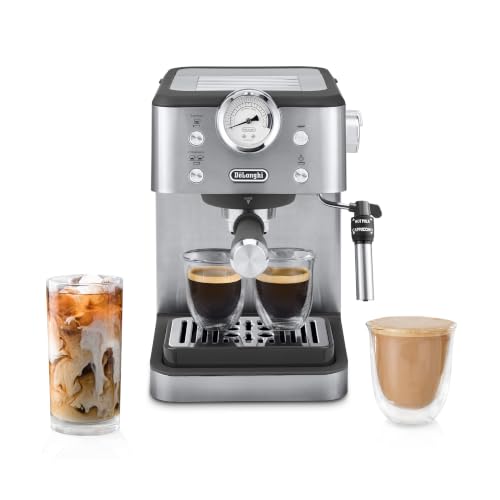
- De'Longhi Dedica Arte: the best overall pick, a 6 inch wide machine with a 15-bar pump, three temperature levels and a My LatteArt steam wand.
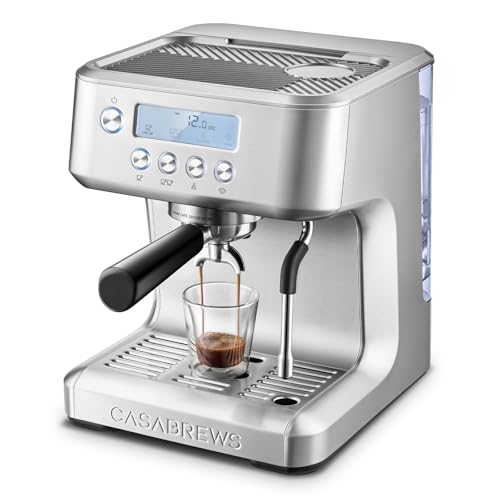
- CASABREWS CM5418: the low-cost pick at around $144, with a 20-bar pump, a pressure gauge, a steam wand and a 34 oz removable tank.
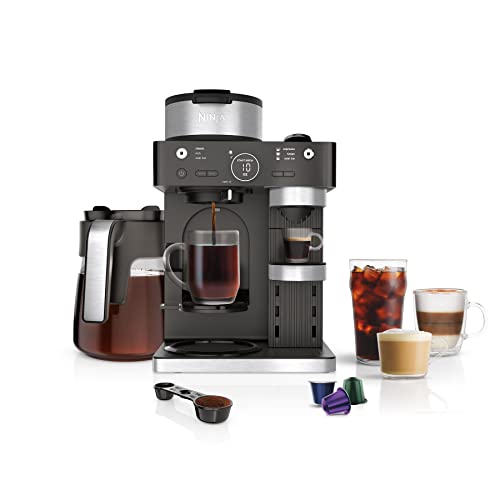
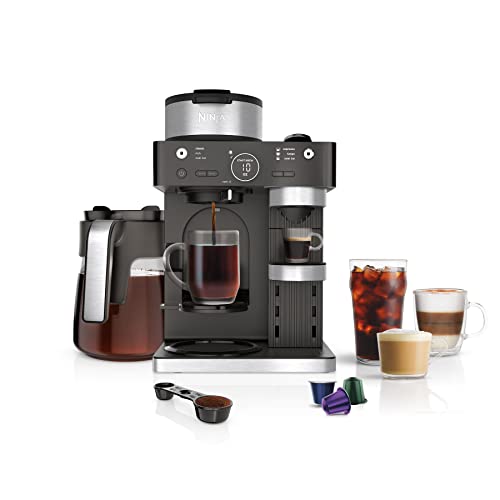
- Ninja CFN601 Espresso and Coffee Maker: the simple pick, using Nespresso compatible capsules for espresso and regular grounds for coffee up to a 12 cup carafe.
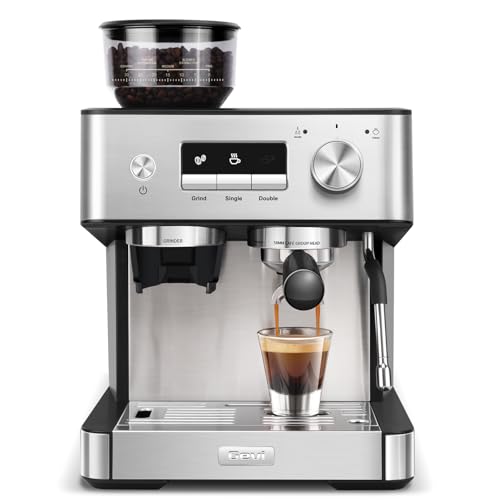
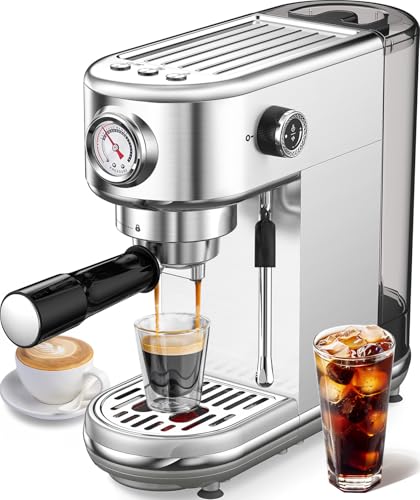
- Gevi 20 Bar with Grinder: the pick for a bean-to-cup routine, adding a conical burr grinder with 30 settings and PID temperature control.
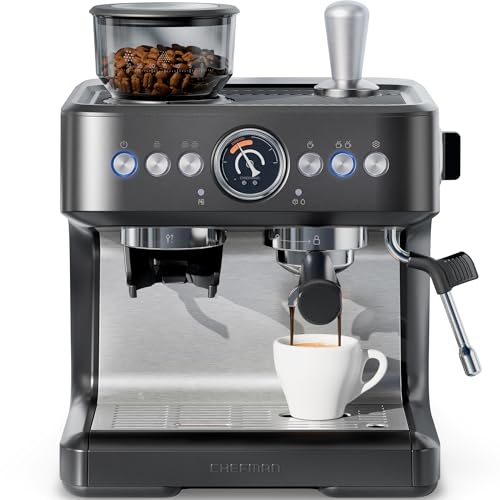
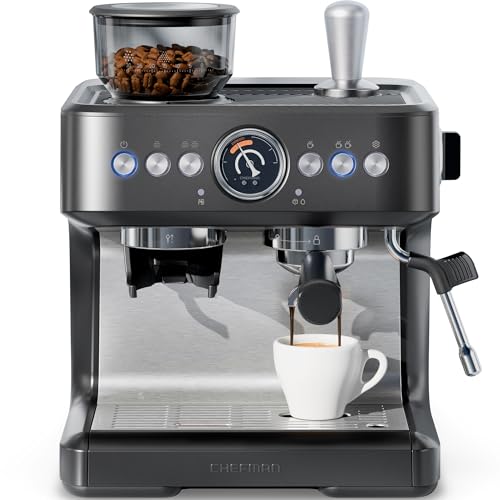
- Chefman Crema Deluxe: the feature upgrade, with a double boiler for steaming and brewing at once, a built-in grinder and a 58mm portafilter.
The main trade-off is control against convenience. Manual machines reward practice but need a good grinder, while capsules remove the learning curve at a higher cost per shot.
Compare the Qualifying Options
Prices are rounded and change often, so confirm the live price in the product table above. All five include a way to texture milk. Only the Gevi and Chefman include a grinder; the others need pre-ground espresso or a separate grinder, which is an optional extra.
| Model | Role | Coffee format | Water tank | Defining feature | Main limitation | Price |
|---|---|---|---|---|---|---|
| De'Longhi Dedica Arte | Best overall | Ground espresso | 35 oz, removable | 6 inch width, 15-bar pump, 3 temperature levels | Manual steaming takes practice | Around $230 |
| CASABREWS CM5418 | Low cost | Ground espresso | 34 oz, removable | Pressure gauge, steam wand | Must cool down after steaming | Around $144 |
| Ninja CFN601 | Simple | Capsules and grounds | See listing | Espresso plus 12 cup carafe brewing | Capsule cost per shot | Around $280 |
| Gevi 20 Bar with Grinder | Bean-to-cup routine | Whole beans | See listing | 30 setting burr grinder, PID | Grinder adds cleaning | Around $290 |
| Chefman Crema Deluxe | Feature upgrade | Whole beans | 3 liters, removable | Double boiler, 58mm portafilter | Large footprint | Around $270 |
How We Selected the Shortlist
We applied the keyword's limits first. Each machine had to make espresso, sell new on Amazon US for less than $300 on the day we checked, and run on standard US power. Refurbished units, imports and bundles that only hit the price with a coupon were excluded.
Then we compared manufacturer specifications, current listings and package contents, such as tampers, pitchers and filter baskets. We read buyer feedback in aggregate to understand common praise and complaints about heat-up, steaming and reliability. This is a research based shortlist: the judgments come from published specs and owner feedback, not from brewing trials of our own.
Three questions shaped the picks: does the machine stay under a strict $300 purchase ceiling, how does it handle espresso extraction and milk, and which coffee format and serving size does it suit.
Recommended Options
De'Longhi Dedica Arte: Best overall below $300
The De'Longhi Dedica Arte sits at around $230, which leaves room in a $300 budget for a basic grinder or a milk pitcher. It is one of the slimmest machines in the category: De'Longhi lists it at just 6 inches wide, so it fits on crowded counters where wider machines will not.
Three features shape daily use. The 15-bar pump comes with adjustable controls and three temperature levels, and the Automatic Flow Stop dispenses a set amount of espresso. The My LatteArt steam wand is built for textured milk, so you control the foam for lattes and cappuccinos. A professional tamper and a filter basket that holds up to 18 g of ground coffee are included.
The concrete limitation is the learning curve: the steam wand is manual, so smooth milk takes some practice, and you still tamp by hand. The 35 oz tank is removable, and the double drip tray can be adjusted or removed for taller latte glasses.
Skip it if you want a built-in grinder or a hands-off milk system. For anyone happy to tamp and steam by hand, it is the most balanced choice here.

CASABREWS CM5418: Best low-cost qualifying option
The CASABREWS CM5418 is the budget way into real milk drinks at around $144. It is a semi-automatic machine with a 20-bar pump and a 1350 W boiler, plus a built-in pressure gauge that shows what is happening during a shot, which helps beginners adjust grind and dose.
The steam wand is the other draw. It textures milk for lattes and cappuccinos, and the 34 oz water tank detaches for easy refilling. The box includes the machine, the tank, single and double cup filters, a tamper with spoon and the portafilter, so you can start with pre-ground coffee on day one.
The limitation is a cool-down step. CASABREWS warns not to brew right after frothing milk, because the machine must cool first or it will enter overheating protection, with the 1 cup and 2 cup lights flashing. That slows down back-to-back milk drinks.
Skip it if you often make several lattes in a row for guests. For one or two drinks a day, it covers the essentials for well under the ceiling.

Ninja CFN601 Espresso and Coffee Maker: Best simple qualifying option
The Ninja CFN601 suits households that want espresso drinks and regular coffee from one machine without learning to tamp. It brews espresso from Nespresso compatible capsules in three styles: Espresso (1.35 oz), Lungo (3.75 oz) and Over Ice (1 oz).
Its second job is drip style coffee from grounds. You can choose Classic, Rich or Over Ice and pick from 9 sizes, from a single cup to a travel mug to a full 12 cup carafe. A fold-away frother handles milk for cappuccinos and lattes, and Delay Brew, Keep Warm and Clean functions add convenience. The used capsule bin holds up to 20 capsules.
The limitation is the ongoing cost of capsules, which adds up faster than buying ground espresso. You also give up control over grind and dose, since the capsule sets both.
Skip it if you want to learn espresso as a craft or keep the cost per shot as low as possible. For a busy household that values speed and wants a carafe for guests, it is the easiest option under $300.
Gevi 20 Bar with Grinder: Best for a different supported routine
Buying a separate grinder can push a budget espresso setup past $300, so a machine with a grinder built in is worth a look. The Gevi 20 Bar Espresso Machine with Grinder sells for around $290 and includes a conical burr grinder with 30 settings, from coarse to very fine.
Two features stand out. NTC and PID temperature control is listed to keep brewing and steaming temperatures steady, and you can customize grinding time and choose single or double shot volumes. The steam wand also dispenses hot water for Americanos, switched with a single knob.
The limitation is upkeep. A built-in grinder means grounds and oils to brush out regularly, and the whole unit is only as good as the grind you dial in. It also uses nearly the whole budget, leaving little for accessories.
Skip it if you already own a good grinder; a simpler machine plus that grinder is a better split. For a first setup that starts from whole beans, it keeps everything in one box.

Chefman Crema Deluxe: Best feature upgrade still below the ceiling
The Chefman Crema Deluxe packs the most hardware into this budget at around $270. Its main draw is a double boiler, which lets you froth milk and brew espresso at the same time, so a latte does not mean waiting for the machine to switch from brewing to steam.
It also adds a 30 setting conical burr grinder that dispenses straight into the portafilter, a 58mm portafilter with single and double baskets, and adjustable shot temperature and volume. The 3 liter reservoir is fully removable, and Chefman includes a milk pitcher, stainless tamper, cleaning tools and a grinding funnel, stored inside the detachable drip tray.
The limitation is size. A double boiler, grinder and 3 liter tank make for a bulky machine, so measure your counter and the clearance under your cabinets first. More controls also mean more to learn.
Skip it if counter space is tight or you only drink straight espresso. For milk drink fans who want speed, it is the strongest feature set below the ceiling.
What to Look for Before Buying
A Strict $300 Purchase Ceiling
Espresso machine prices change often and can differ between colors of the same model. Check the price of the exact variant you want, sold new, on the same day you buy. A sale price on one finish does not apply to the others.
In this guide the $300 limit covers the machine only. A complete setup may also need a grinder, a milk pitcher, a tamper that fits the basket, a scale and descaling supplies. If a machine ships with a tamper and pitcher, such as the Chefman Crema Deluxe, you save on extras.
We excluded anything priced under $300 only through a subscription, membership price or clipped coupon, and imports without US support. If you see a higher price than the one quoted here, choose another model from the table rather than stretching for a temporary discount.
Finally, set aside money for coffee itself. Espresso uses a fine, fresh grind, and beans are a recurring cost that often outweighs the machine over time.
Espresso Extraction and Milk Workflow
Do not rank machines by pump pressure alone. Listings advertise 15 or 20 bar, but what matters more is a steady temperature, a consistent grind and the right dose. A machine with temperature control and a good grinder will do more for your shots than a higher bar number.
Grind matters most of all. A semi-automatic machine needs a grinder that can go fine enough for espresso; a drip coffee grinder usually cannot. If your machine does not include one, budget for an espresso-capable grinder or buy pre-ground espresso.
For milk, think about how often you make several drinks in a row. Single boiler and thermoblock machines switch between brewing and steaming, so there is a short wait. A double boiler, like the Chefman's, removes that wait. Also remember that capsule brewers make espresso style coffee, which differs from drip style concentrated coffee.
Coffee Format and Serving Needs
Decide whether you want ground espresso, whole beans or capsules. Ground espresso needs a separate grinder or pre-ground coffee. Whole bean machines grind for you. Capsule machines like the Ninja CFN601 remove grinding and tamping but cost more per shot.
Match the machine to your household. One or two lattes a day suit almost any machine here. Several drinks in a row, or coffee for guests, favor a larger tank, a double boiler or a machine that also brews a carafe.
Espresso is not the same as drip coffee. A shot is about 1 to 2 oz of concentrated coffee, while drip coffee is larger and milder. If most of your household drinks mugs of regular coffee, a machine that also brews drip coffee may be the better buy.
Which Option Fits Your Routine?
Your Must-Have Function
For manual espresso on a slim counter, choose the De'Longhi Dedica Arte. For capsules plus a coffee carafe, the Ninja CFN601 fits. To grind fresh beans, look at the Gevi or Chefman.
Your Preparation and Cleanup Tolerance
Capsules need almost no cleanup. Manual machines add tamping, purging the steam wand and knocking out the puck. Built-in grinders add brushing out grounds.
Your Complete Budget
Add a grinder if needed, a pitcher, a scale and descaler. Capsules or fresh beans are a recurring cost to count as well.
Frequently Asked Questions
What is included in this price limit?
The $300 limit covers the espresso machine itself, sold new on Amazon US, without coupons or subscriptions. It does not include a separate grinder, beans or descaling supplies. Some machines include a tamper, pitcher or grinder in the box, so compare package contents as well as the price before deciding.
What if no suitable model meets the budget?
Choose another model from the table or wait for the price to settle rather than stretching for a short sale. If you need features such as a dual boiler with automatic milk, the honest answer is a higher budget. Our guide to the best espresso machine under $500 covers that next step.
Should I budget for accessories separately?
Yes, unless the machine includes them. An espresso-capable grinder is the biggest extra for machines without one, followed by a milk pitcher, a properly sized tamper and a scale. Descaling supplies are a recurring cost; follow the manufacturer's instructions for your model.
Is a sale-priced model a reliable long-term recommendation?
Only if the machine suits your routine at its regular price too. Discounts come and go, so judge the model on extraction, milk workflow and cleanup first. A machine that only makes sense on sale may feel like a poor value once the price goes back up.
Final Verdict on the Best Espresso Machine Under $300
For most buyers, the best espresso machine under $300 is the De'Longhi Dedica Arte: a slim footprint, a 15-bar pump and a steam wand built for textured milk, with budget left for a grinder. If you would rather skip tamping and also want drip coffee, the Ninja CFN601 is the alternative. The deciding trade-off is manual control against capsule convenience. For more options at every price, see our guide to the best espresso machine, and if you want push-button drinks, compare the best super automatic espresso machine picks.


