Ninja Luxe Café vs Breville Barista Express: Which Should You Choose?
Disclosure: We may earn a commission when you buy through links on this page, at no extra cost to you. As an Amazon Associate I earn from qualifying purchases. Learn more

Ninja Luxe Café vs Breville Barista Express: guided all-in-one convenience against a classic manual espresso workflow.
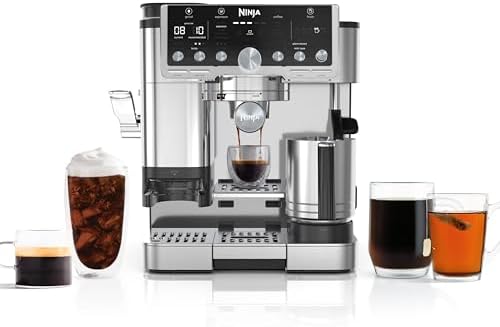
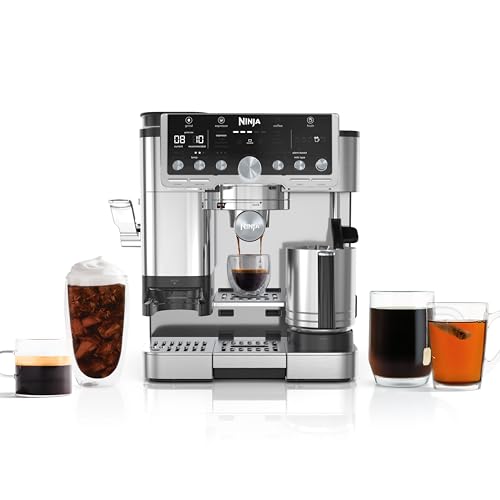
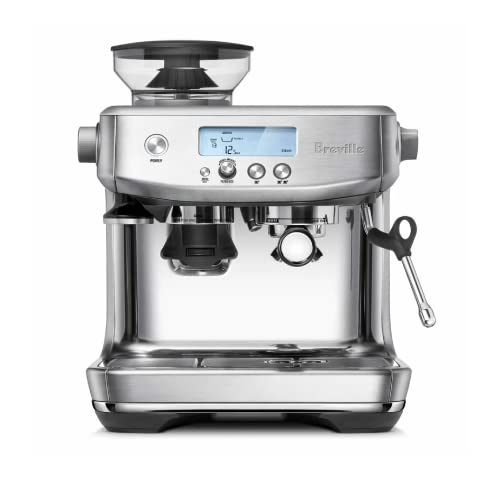
The Ninja Luxe Café vs Breville Barista Express choice is between two espresso machines with built-in grinders that take very different approaches. The Ninja Luxe Café Premier ES601 guides you with weight-based dosing, grind suggestions and hands-free milk frothing, and it also brews drip coffee and cold brew. The Breville Barista Express BES870XL is a classic semi-automatic that leaves dose, tamp and milk texture in your hands.
This comparison uses the current US models of each, explains where the extra Ninja features help, and where the Breville's manual approach is the better fit. If you mostly want great espresso and enjoy the craft, the answer may surprise you.

Quick Verdict
Choose Ninja Luxe Café If…
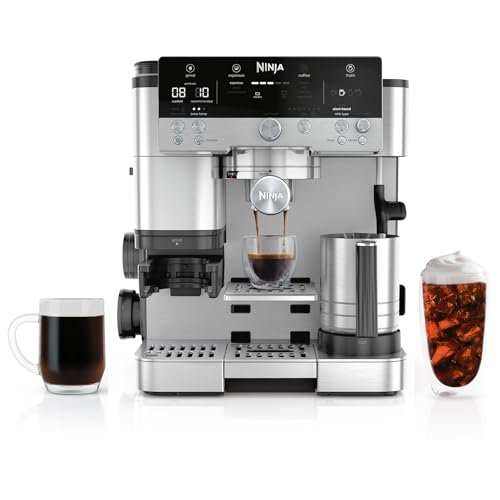
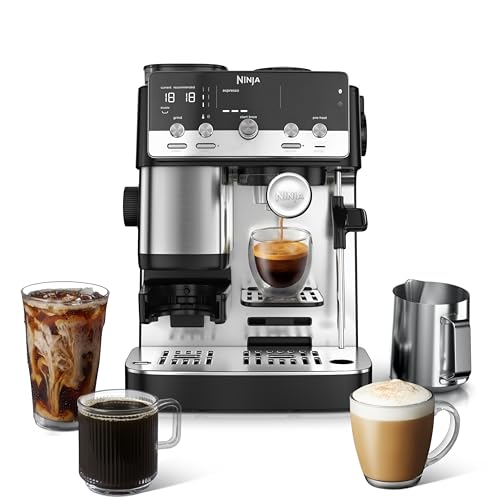
Choose the Ninja Luxe Café Premier if you want espresso, drip coffee and cold brew from one machine with as little guesswork as possible. Its Barista Assist feature recommends grind sizes, a built-in scale doses by weight, an assisted tamper presses the puck, and the Dual Froth System makes milk hands-free with four presets. The compromise is a higher price and a larger, more complex machine.
Choose Breville Barista Express If…
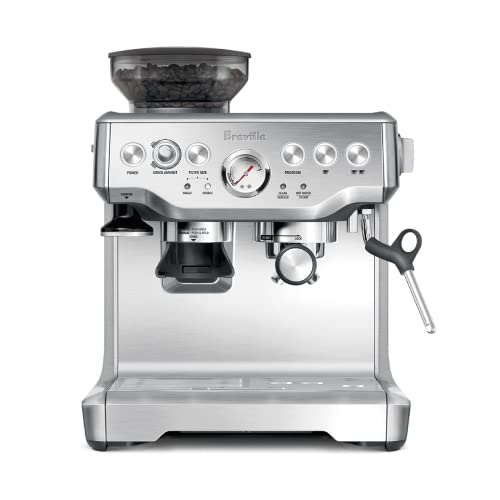
Choose the Breville Barista Express if you want to learn espresso by hand and pay less. It has a conical burr grinder that doses into the portafilter, a grind size dial, PID temperature control, low pressure pre-infusion and a manual steam wand for latte art. The compromise is that you dose, tamp and steam yourself, and it makes espresso only, not drip coffee or cold brew.
Scope and Side-by-Side Table
Both machines are US-market models sold new on Amazon, both grind fresh beans into a portafilter, and both use a steam or froth system for milk drinks. That makes them a fair pair at a similar price, roughly $100 apart. The key difference is automation: the Ninja automates dosing, tamping assistance and frothing, while the Breville leaves them to you.
| Feature | Ninja Luxe Café Premier ES601 | Breville Barista Express BES870XL |
|---|---|---|
| Drinks | Double or quad espresso; classic, rich or over-ice drip; cold-pressed espresso and cold brew | Single or double espresso shots |
| Grinder | Conical burr, 25 settings, weight-based dosing | Conical burr, grind size dial, adjustable grind amount |
| Guidance | Barista Assist grind recommendations, active temperature and pressure adjustment | PID temperature control, low pressure pre-infusion |
| Tamping | Assisted tamper | Integrated tamper plus Razor dose trimming tool |
| Milk | Dual Froth System, 4 presets, manual option | Manual steam wand, stainless milk jug |
| Drip and cold brew sizes | 6 to 18 oz | Not offered |
| Capacity | See listing | Half-pound bean hopper, 67 oz water tank |
| Warranty | See listing | 1 year limited |
| Machine price | Around $600 | Around $500 |
How We Compared These Options
We compared the two machines on equal terms using the current Amazon US listings for the exact models above: documented features, box contents, capacity and the extra equipment each needs. Buyer feedback was read in aggregate to spot recurring praise and complaints about the learning curve, milk quality and cleaning.
We did not pull shots or steam milk on these units, so there are no taste or texture claims of our own. Feature statements come from each listing, and where a listing is silent we write "see listing". Judgments about who suits which machine are our assessment of how those documented differences affect a normal home routine.
Coffee Preparation and Adjustment
What Each Option Supports
The Ninja's conical burr grinder has 25 settings and a built-in scale that doses by weight for the drink you choose. Barista Assist recommends a grind size based on the previous brew and adjusts temperature and pressure during extraction. The Breville's conical burr grinder doses on demand into the portafilter, with a grind size dial, adjustable grind amount and manual override. PID temperature control and low pressure pre-infusion help extraction.
What Changes in Everyday Use
With the Ninja, you choose a drink, let it grind by weight, use the assisted tamper and brew; if a shot runs too fast or slow, the machine suggests a grind change next time. With the Breville, you grind into the portafilter, check the dose, tamp with the integrated tamper, trim with the Razor tool if needed, then brew and judge the result yourself. The Breville takes longer to learn but rewards practice.
The Ninja also brews drip coffee in classic, rich or over-ice styles from 6 to 18 oz, plus cold brew. If anyone in your home drinks regular coffee as well as espresso, that saves a second appliance.
Who Benefits from the Difference
Beginners who want good espresso quickly, and households that also drink drip or iced coffee, benefit from the Ninja. People who enjoy the process of dialing in, want to understand how grind, dose and tamp affect a shot, or plan to upgrade later will find the Breville more satisfying.
A simple way to tell which camp you are in: if adjusting a grind dial and tasting the difference sounds like fun, the Breville fits; if it sounds like a chore before work, the Ninja does.
Milk and Drink Options
What Each Option Supports
The Ninja's Dual Froth System combines a spinning whisk with steam and offers four presets: steamed milk, thin froth, thick froth and cold foam, plus a manual froth option. The Breville has a powerful manual steam wand designed for hand-textured microfoam and latte art, with a stainless steel milk jug included.
What Changes in Everyday Use
With the Ninja, you pour milk into the jug, choose a preset and walk away while it froths, which frees you to prepare the cup. Cold foam for iced drinks is built in. With the Breville, you hold the jug under the wand and texture the milk by feel, then purge and wipe the wand. That takes practice, but it gives you full control over texture and temperature.
Both handle dairy and plant milks; with any wand or whisk, barista style plant milks tend to foam more reliably. Rinse milk parts right after use on either machine.
Think about how many milk drinks you make in a row. The Ninja's presets let you prepare the next cup while milk froths, which helps when two people want lattes at once. With the Breville, steaming is a sequential, manual step, so back-to-back milk drinks take longer until your technique speeds up.
Who Benefits from the Difference
Latte and iced drink fans who want consistency without skill benefit from the Ninja's presets and cold foam. Aspiring home baristas who want to pour latte art will prefer the Breville's wand. Black coffee drinkers can treat milk features as secondary.
Daily Use and Maintenance
What Each Option Supports
The Ninja comes with a portafilter, milk jug, double and Luxe baskets, assisted tamper, cleaning brush, cleaning disc, funnel, descaling powder, cleaning tablets and a water hardness kit. The Breville includes a 54mm portafilter, single and dual wall baskets, integrated tamper, Razor tool, milk jug, cleaning disc and tablets, brush tool, Allen key and a water filter with holder.
What Changes in Everyday Use
Daily care is similar on both: knock out the puck, rinse the portafilter and basket, clean the milk jug or wand, and empty the drip tray. The Ninja's whisk-based frother avoids some wand cleaning, while the Breville's wand needs a purge and wipe after each use. Both need periodic backflush or cleaning cycles and descaling as each manual describes, using the supplied products.
The Ninja's grinder and scale add electronics to keep dry, and the Breville's grinder needs occasional cleaning to remove oils. Follow each manual's schedule rather than a generic routine.
Water matters for both. The Breville ships with a water filter and holder, and the Ninja includes a water hardness kit so you can set descaling frequency to your local water. Using filtered water and descaling on schedule protects the heating system and keeps shots consistent on either machine.
Who Benefits from the Difference
Owners who want milk cleanup to be quick will like the Ninja's jug system. Those who do not mind a short routine after steaming will find the Breville straightforward. Both include starter cleaning supplies, so neither needs extra purchases on day one.
Complete Price and Value
What Each Option Supports
The Ninja Luxe Café Premier costs around $600 and the Breville Barista Express around $500. Both include a grinder, so neither needs a separate one. Running supplies include beans, cleaning tablets, descaler and, for the Breville, replacement water filters.
What Changes in Everyday Use
The Ninja's extra cost buys drip coffee, cold brew, weight-based dosing and hands-free frothing. If those replace a separate drip brewer or frother, the gap pays for itself. The Breville's lower price buys a proven espresso workflow and leaves more budget for good beans and accessories like a scale or milk pitchers.
Think about the long run as well. If you expect to grow into espresso as a hobby, a manual machine teaches skills that carry over to any future upgrade. If you simply want reliable drinks every morning for years, paying for automation now avoids a learning curve you may never want to climb.
Prices change often, and sales can narrow the gap. Check current prices in the product table on the day you buy rather than relying on these figures.
Accessories can tip the balance as well. Many Breville owners add a small coffee scale, a knock box and extra milk pitchers to support the manual workflow, which adds a little to the total. The Ninja's built-in scale and preset frothing reduce the need for those extras, so the real gap between the two setups can be smaller than the sticker prices suggest.
Who Benefits from the Difference
Households wanting one machine for every coffee style get more value from the Ninja. Espresso-focused buyers on a budget get more from the Breville. If you want automation without drip coffee, Ninja's Luxe Café Pro adds an integrated lever tamper and hot water, and Breville's Barista Pro is the step up on that side; both appear in our product table.
Representative Products and Pairing Limits
A Verified Pair at a Relevant Price Level
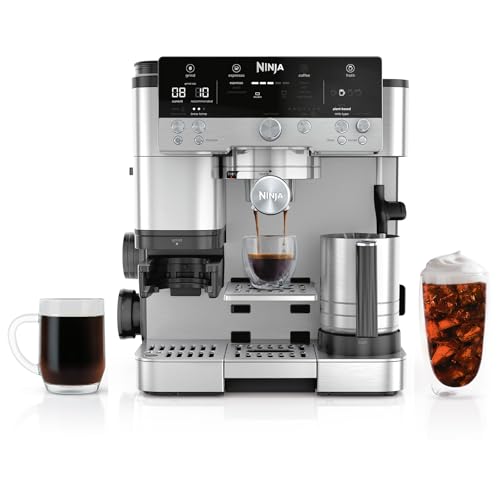
The pair is the Ninja Luxe Café Premier ES601 and the Breville Barista Express BES870XL, both sold new on Amazon US about $100 apart. The two most consequential differences are guidance (weight-based dosing, grind recommendations and assisted tamping versus manual dosing and tamping) and milk (four-preset Dual Froth versus a manual steam wand). The Ninja's limitation is price and complexity; the Breville's is a steeper learning curve and espresso-only brewing.

What the Pair Does Not Prove
These machines are not equally automated, so the comparison is partly about how much you want to do yourself. It does not show which makes "better" espresso in absolute terms; results depend on beans, grind and technique, especially on the Breville. Both brands also sell other models: the Ninja Luxe Café Mini and Pro, and Breville's Bambino, Barista Pro and Barista Touch, which change the balance of features and price.
Listings describe features differently, so confirm details such as capacity and warranty in each manual before buying.
Finally, the pair says little about long-term reliability for either brand. Both sell machines at many price levels, and owner experience depends on model, water and how consistently the machine is cleaned. Buying from an authorized seller and registering the warranty are worth doing whichever you choose.
Ninja Luxe Café vs Breville Barista Express: Which Should You Choose?
For Convenience-First Buyers
Choose the Ninja Luxe Café Premier. Weight-based dosing, grind suggestions, assisted tamping and hands-free frothing remove most of the trial and error, and drip coffee and cold brew add flexibility. It is the faster route to consistent drinks for a busy household.
It also suits homes where several people use the machine, since the guided steps reduce the chance of someone else's settings ruining your morning shot.
For Buyers Seeking Control or Different Drinks
For control, choose the Breville Barista Express: you set the grind, dose and tamp, and steam milk by hand for latte art. For different drinks, the Ninja wins with drip, over-ice and cold brew options. Decide whether you want to master espresso or cover every coffee style.
For Budget and Space Constraints
The Breville costs around $100 less and does one job well. If counter space is tight and you want the Ninja's guided approach, the Luxe Café Mini is smaller. Measure your counter and cabinet height for both, since bean hoppers sit on top.
Frequently Asked Questions
Are these options the same type of machine?
Both are espresso machines with built-in grinders and portafilters, but the Ninja is more automated and also brews drip coffee and cold brew. The Breville is a semi-automatic espresso machine where you control dose, tamp and milk texture. Neither is a fully automatic super-automatic.
Which is easier to use and maintain?
The Ninja is easier to use thanks to weight-based dosing, grind recommendations and preset frothing. Maintenance is similar on both: rinse the portafilter, clean milk parts and descale as the manual describes. The Breville's steam wand needs a purge and wipe after each use.
What accessories or coffee formats do they require?
Both use whole beans and include a portafilter, baskets, tamper, milk jug and starter cleaning supplies. The Breville includes a water filter; replacements are an ongoing cost. Fresh beans and, optionally, a small scale help with the Breville's manual workflow.
Which offers better value for my routine?
If you want espresso, drip coffee and cold brew from one guided machine, the Ninja offers better value. If you mainly drink espresso and milk drinks and enjoy learning, the Breville's lower price and manual control make it the better buy.
Final Verdict
In the Ninja Luxe Café vs Breville Barista Express decision, the Ninja Luxe Café Premier is the better fit for most busy homes, with guided dosing, hands-free frothing and drip and cold brew options. The Breville Barista Express suits buyers who want to learn espresso by hand and spend less. The deciding trade-off is guidance and versatility against control and price, so choose your routine and check current prices in the table.
For more options, see our guides to the best Breville espresso machine, the best Ninja coffee maker, the best espresso machine and the best super automatic espresso machine.