
Super Automatic vs Semi Automatic Espresso Machine: Which Should You Choose?
Disclosure: We may earn a commission when you buy through links on this page, at no extra cost to you. As an Amazon Associate I earn from qualifying purchases. Learn more

Super automatic vs semi automatic espresso machine: one button convenience or more control, compared with two De'Longhi models.
The super automatic vs semi automatic espresso machine decision comes down to who does the barista work. A super automatic grinds, doses, tamps and brews inside the machine at the press of a button; a semi automatic leaves dosing, tamping and usually milk steaming to you, in exchange for more control. This comparison uses two current US machines from the same brand at similar prices, the De'Longhi Magnifica Evo with a manual milk frother (ECAM29043SB) as the super automatic and the De'Longhi La Specialista Arte Evo semi automatic with a built-in grinder, to show what changes in daily life.
The quick verdict below gives the short answer. The sections after it explain the terms, the drinks and control each offers, preparation and cleaning, and the full cost of each setup, so you can match the machine to your routine rather than to a label.


Quick Verdict
Choose Super Automatic If…
Choose a super automatic if you want espresso and coffee from fresh beans with one button and no learning curve. The De'Longhi Magnifica Evo grinds and brews internally from a built-in grinder, and this version has a manual milk frother. The compromise is control: grind, dose and tamp happen inside the machine, so you adjust only the settings it offers.
Choose Semi Automatic Espresso Machine If…
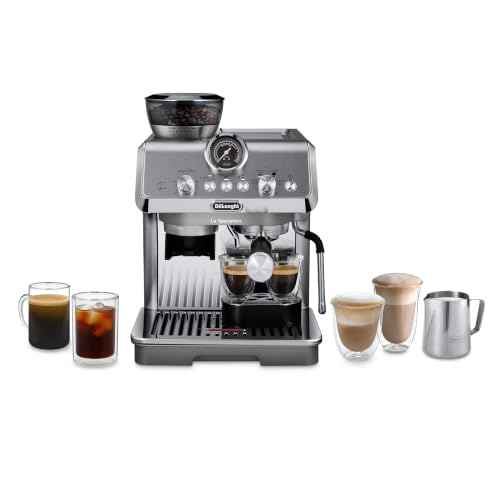
Choose a semi automatic if you enjoy the process and want to fine tune each shot. The De'Longhi La Specialista Arte Evo has a built-in conical burr grinder with 15 settings, 3 temperature settings and a commercial-style steam wand, while the portafilter work and milk steaming stay with you. The compromise is effort and a learning curve, plus a few more minutes per drink.
Scope and Side-by-Side Table
This comparison covers home espresso machines: a super automatic (also called fully automatic or bean to cup) against a semi automatic with a portafilter. To keep the pairing fair, both examples have built-in grinders and sit in a similar price range. Semi automatic machines without grinders, such as the Bambino Plus, need a separate grinder, so we include a bundle that adds one. Prices are rounded; check the product table above for live prices.
| Factor | Super automatic: De'Longhi Magnifica Evo (manual frother) | Semi automatic: De'Longhi La Specialista Arte Evo |
|---|---|---|
| Who grinds, doses, tamps | The machine, internally | Machine grinds a single or double dose; you handle the portafilter |
| Grinder | Built-in grinder, 13 settings | Built-in conical burr grinder, 15 settings |
| Brewing | One-touch recipes from the control panel | 15 bar pump with 9 bar extraction, 3 temperature settings, cold extraction |
| Milk | Manual milk frother | Commercial-style manual steam wand |
| Water | Removable tank (see listing) | Removable tank |
| Extras | Internal grounds container | Cold brew in under 5 minutes |
| Price | Around $550 | Around $500 |
Both need a milk pitcher for milk drinks, cleaning supplies and descaler. Neither needs a separate grinder, which keeps the comparison focused on workflow.
Using two machines from the same brand also helps. De'Longhi designs both, so differences in the daily routine come from the machine type rather than from one company's general approach. That makes the pair a cleaner illustration of super automatic versus semi automatic than mixing brands would.
How We Compared These Options
We compared manufacturer specifications and current US listings for both machines and built a complete setup for each, including milk pitcher and care supplies. We checked what is included and read buyer feedback in aggregate for recurring themes, such as the learning curve on semi automatic machines and how owners handle cleaning on super automatics.
We did not run side by side brewing trials, so this comparison does not claim one machine makes better espresso. Features are stated as the listings describe them, and judgments about routine and value are labeled as our assessment. Names such as Cold Extraction Technology describe a design, not a measured result, and a 15 bar pump rating is not a quality ranking on its own.
Terminology and Brewing Method
What Each Option Supports
A super automatic does every step inside the machine: it grinds beans, doses, compresses the coffee and brews, then ejects the used grounds into an internal container. The Magnifica Evo does this with a built-in grinder that offers 13 grind settings. A semi automatic uses a portafilter: the La Specialista Arte Evo grinds a single or double dose with its conical burr grinder, you prepare and lock in the portafilter, and the machine's 15 bar pump delivers 9 bar extraction at the temperature setting you choose.
What Changes in Everyday Use
With the super automatic, you press a button and wait. With the semi automatic, you handle the portafilter for every shot: grind, tamp, lock in, brew and knock out the puck. That extra handling is also where the control comes from, because you can change dose and grind and see the result in the next shot.
Who Benefits from the Difference
People who want coffee, not a hobby, benefit from a super automatic. People who enjoy learning espresso, adjusting variables and practicing milk texture benefit from a semi automatic. Both make real espresso under pressure, which is different from strong brewed coffee from a drip machine.
The label "semi automatic" can confuse. It means the machine controls water delivery while you control the coffee puck. Some semi automatic machines automate more, such as assisted tamping or automatic milk, while some super automatics let you adjust more, so read each listing for what is actually automated.
Coffee Output and Control
What Each Option Supports
The Magnifica Evo makes espresso and longer coffee drinks from one-touch recipes, while milk is textured by hand on its manual frother. Its listing copy is shared with the LatteCrema versions of the Magnifica Evo, so recipe counts and automatic milk claims there do not all apply to this manual frother model; check the manual for the exact drink list. The La Specialista Arte Evo offers 15 grind settings, 3 temperature settings, single or double espresso, a commercial-style steam wand for microfoam and Cold Extraction Technology that makes cold brew in under 5 minutes, according to its listing.
What Changes in Everyday Use
On the Magnifica Evo, control is limited to the options on its control panel, and results are consistent with little effort. On the La Specialista Arte Evo, you change grind and temperature and handle the portafilter yourself, so you can chase a shot you like. Milk is manual on both, so both reward some practice for lattes.
Who Benefits from the Difference
If you drink espresso and long coffee and value consistency, the super automatic fits. If you switch beans often and want to dial in each one, the semi automatic gives you the tools. Cold drinks split the pair: the La Specialista Arte Evo documents a cold extraction mode, while for the manual frother Magnifica Evo the cold recipes in the shared listing copy should be confirmed in the manual before you count on them; otherwise iced drinks mean brewing over ice.
For households where several people make coffee, the super automatic's simplicity often matters more than control, since anyone can press a button. A semi automatic tends to suit a household with one keen coffee maker who enjoys making drinks for others.
Preparation and Maintenance
What Each Option Supports
The Magnifica Evo has a removable water tank and an internal grounds container that you empty when the machine asks. The La Specialista Arte Evo has a removable water tank, a drip tray and a portafilter you knock out after each shot. Both have manual milk systems that need purging and wiping after use, and both use descaling and cleaning programs described in their manuals.
What Changes in Everyday Use
Daily care on the super automatic means refilling water and beans, emptying the grounds container and drip tray, and wiping the frother. On the semi automatic, you knock out a puck and rinse the portafilter after every drink, wipe the steam wand and empty the drip tray. Supplies include descaler on both, plus any cleaning products De'Longhi specifies in each manual.
Who Benefits from the Difference
If you want fewer touches per drink, the super automatic wins, although its internal brewing unit and grounds container need regular cleaning as the manual directs. If you do not mind a quick rinse after each shot, the semi automatic's open design makes it easy to see and clean the parts. We make no claims about lifespan, since neither listing provides that data.
Whichever you choose, keep a cloth next to the machine for the milk wand and follow the manufacturer's descaling schedule for your water. Skipping maintenance affects taste on both types long before it causes a breakdown.
One practical difference: on a super automatic, the brewing unit and grounds path are inside the machine, so you rely on the cleaning program and the manual's instructions for reaching them. On a semi automatic, most of what touches coffee is in your hands every day, which makes problems easier to spot early.
Setup and Recurring Cost
What Each Option Supports
On the same day, the De'Longhi Magnifica Evo with manual frother sold new for around $550 and the De'Longhi La Specialista Arte Evo for around $500, both with built-in grinders. For a lower cost semi automatic route, the Breville Bambino Plus bundled with a Baratza Encore ESP grinder sold for around $550; the bundle adds the grinder the Bambino Plus needs and gives you automatic milk texturing.
What Changes in Everyday Use
Both setups need a milk pitcher, a descaling product and fresh beans. The semi automatic adds a portafilter and basket to rinse, and the Bambino Plus bundle adds a separate grinder to clean. Coffee use is similar per shot on both. A knock box helps on the semi automatic side, while the super automatic collects grounds internally.
Who Benefits from the Difference
On a budget, the two machines in this pair are close in price, with the semi automatic slightly cheaper. If you want a semi automatic without paying for a built-in grinder, the Bambino Plus bundle is an alternative. Judge value by workflow fit and US support, not brand prestige, and buy from a reputable seller.
Remember that the machine is a one time cost while beans and milk are ongoing. Over a year of daily lattes, milk and coffee usually cost more than the difference between these two machines, so choose the routine you will enjoy rather than the lowest sticker price.
If you are unsure which type suits you, think about the last time you made coffee for guests. If you enjoyed the process, a semi automatic will likely keep you interested. If you wanted it done quickly so you could sit down, a super automatic is the safer purchase.
Representative Products and Pairing Limits
A Verified Pair at a Relevant Price Level
The De'Longhi Magnifica Evo ECAM29043SB stands out for one button brewing from beans with 13 grind settings; its limitation is limited control and manual milk frothing. The De'Longhi La Specialista Arte Evo stands out for 15 grind settings, 3 temperature settings and cold brew in under 5 minutes; its limitation is the manual portafilter and milk work on every drink.
For a semi automatic with automatic milk at a moderate price, the Breville Bambino Plus with Baratza Encore ESP bundle pairs a compact machine with the grinder it needs.
What the Pair Does Not Prove
This pair compares one entry level super automatic with one similarly priced semi automatic from the same brand. It does not show how high end super automatics with automatic milk and large menus compare, or how manual lever machines fit in. Automation levels vary widely within each category.
It also does not prove one type makes better espresso. Results depend on beans, grind and maintenance on both. Use this pair to understand the workflow difference, then compare the exact models you are considering in our best super automatic espresso machine guide.
Super Automatic vs Semi Automatic Espresso Machine: Which Should You Choose?
For Convenience-First Buyers
Choose a super automatic. One button grinds and brews, the grounds go into an internal container, and anyone in the house can make a drink. If you also want automatic milk, look at super automatics with built-in milk systems rather than a manual frother.
For Buyers Seeking Control or Different Drinks
Choose a semi automatic. Control over grind, dose and tamp lets you adjust each coffee, and a manual steam wand lets you practice latte art. If you want control but easier milk, a semi automatic with an automatic steam wand, such as the Bambino Plus, is a good middle ground.
For Budget and Space Constraints
In this pair, prices are close, with the semi automatic slightly cheaper. Space needs are similar, but a semi automatic without a built-in grinder needs room for a separate grinder. Measure height under your cabinets for the bean hopper and water tank on either type.
Frequently Asked Questions
Are these options the same type of machine?
No. Both make espresso under pressure, but a super automatic grinds, doses, tamps and brews internally at the press of a button, while a semi automatic uses a portafilter that you fill, tamp and lock in. Semi automatic machines give more control; super automatics give more convenience.
Which is easier to use and maintain?
A super automatic is easier to use because it handles the barista steps. Maintenance is different rather than lighter: super automatics need the grounds container emptied and the brew unit cleaned as directed, while semi automatics need the portafilter rinsed after each shot. Both need descaling.
What accessories or coffee formats do they require?
Both use whole beans; machines with built-in grinders need no separate grinder, while semi automatics without one do. You will need a milk pitcher for milk drinks, a descaling product and the brand's cleaning tablets where specified. A knock box is useful for semi automatics.
Which offers better value for my routine?
A super automatic offers better value if you want consistent espresso with minimal effort and several people use the machine. A semi automatic offers better value if you enjoy the process, want control over each shot and will use that control daily.
Final Verdict
In the super automatic vs semi automatic espresso machine decision, the question is who does the barista work. Choose a super automatic like the De'Longhi Magnifica Evo for one button convenience, or a semi automatic like the De'Longhi La Specialista Arte Evo for control, cold brew and the craft of espresso. For more models across both types, see our best espresso machine roundup.


